Fed Holds Interest Rates but Signals Possible Hike, Keeping Pressure on Florida's Housing Market
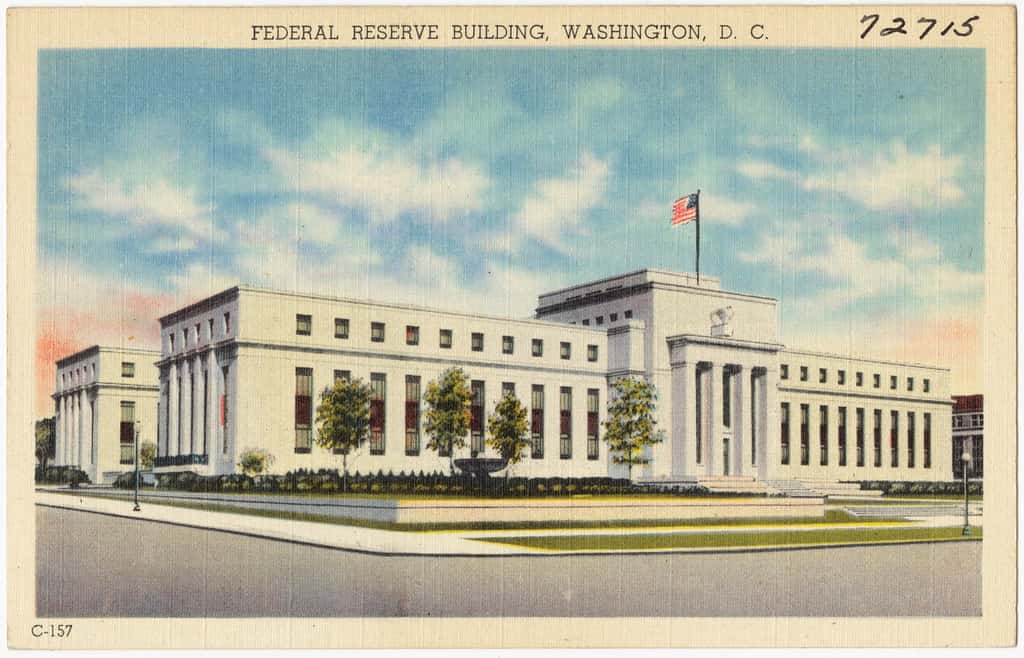
The Federal Reserve left interest rates unchanged at its June meeting but signaled a hawkish turn, removing its earlier expectation of a rate cut this year and opening the door to a possible increase. For Florida homebuyers and homeowners, the shift means mortgage rates are likely to stay elevated, keeping pressure on a housing market that had been hoping for relief.
The decision, made at the first meeting chaired by new Federal Reserve Chairman Kevin Warsh, holds the target range for the federal funds rate at 3.5 to 3.75 percent. The accompanying forward guidance, however, marked a notable change in tone that reverberates through Florida's interest-rate-sensitive economy.
Because Florida's economy leans so heavily on real estate, construction and population growth, the direction of interest rates carries outsized importance in the state. The Fed's hawkish signal lands at a moment when buyers had been anticipating relief that now appears further off.
What the Fed decided
The Federal Open Market Committee decided on June 17 to maintain the federal funds rate at its current range, holding steady rather than cutting or raising. The move itself was widely expected, as the central bank has proceeded cautiously in its effort to balance inflation against economic growth.
The meeting marked a milestone as the first led by Chairman Kevin Warsh, whose approach to monetary policy is being closely watched by markets. Leadership transitions at the Fed can shift the tone of policy, and the June decision offered an early read on the new chairman's stance.
Through the closely watched dot plot, which reflects officials' projections, the Fed removed its prior expectation of a rate cut this year and indicated that a hike is possible. The grid pointed to a median funds rate projection of about 3.8 percent by the end of the year, slightly above the current level, suggesting that an increase is on the table.
In the wake of the decision, some traders began anticipating that a hike could come as early as October. That represents a marked shift from earlier expectations of easing, and it signals that borrowers should not count on lower rates in the near term.
Why it matters for Florida housing
Interest rates set by the Fed influence borrowing costs throughout the economy, including mortgage rates. When the Fed signals that rates will stay higher for longer, it dampens hopes that mortgage costs will fall significantly, which affects affordability for buyers and the pace of home sales.
Mortgage rates do not move in lockstep with the federal funds rate, but Fed policy and its signals shape the broader interest-rate environment in which mortgage rates are set. A hawkish Fed tends to keep upward pressure on borrowing costs across the board.
In Florida, the average 30-year fixed mortgage rate has hovered in the mid-6 percent range, with recent figures near 6.3 percent after some week-to-week movement. At that level, monthly payments remain substantially higher than they were during the era of ultra-low rates, constraining how much house many buyers can afford.
Fannie Mae has expected the average 30-year fixed rate to remain near 6.3 percent through much of 2026, a level that keeps monthly payments high and limits affordability. That forecast aligns with the Fed's hawkish signal, reinforcing the expectation that relief will be slow to arrive.
A market seeking balance
Despite elevated rates, Florida's housing market is expected to shift toward more balanced conditions in 2026. Easing inventory constraints and modest improvements in supply are creating better opportunities for buyers than during the frenzied years of bidding wars and rapid price growth.
The shift toward balance represents a meaningful change from the seller's market that defined recent years. As inventory improves, buyers gain more negotiating power and face less of the intense competition that characterized the pandemic-era housing boom.
Home prices are projected to rise modestly, in the range of 2 to 4 percent. That represents a cooling from the rapid appreciation of prior years, offering some relief on the price front even as high rates keep financing costs elevated.
That transition toward balance is welcome news for buyers who have struggled to compete, but persistently high rates temper the improvement. Would-be buyers still face steep monthly costs, and some potential sellers are reluctant to give up the low mortgage rates they locked in during earlier years, a dynamic that has kept existing-home inventory constrained across the country.
The Florida context
Florida's economy is closely tied to real estate, construction and population growth, making it especially sensitive to interest rate movements. High rates affect not only home sales but also new construction, commercial development and the broader web of industries that depend on a healthy housing market.
The state's rapid population growth has driven housing demand, but affordability challenges have accompanied that growth. Elevated rates add to the cost of homeownership at a time when many newcomers and existing residents are already stretched.
The state has also grappled with high property insurance costs, and the combination of elevated mortgage rates and insurance premiums has strained affordability. Recent property insurance rate relief may ease part of that burden, but interest rates remain a major factor in the total cost of homeownership for Floridians.
Together, mortgage rates, insurance and property taxes make up the full cost of owning a home, and each has been a source of pressure. Relief on one front, such as insurance, can be offset by persistence on another, such as interest rates.
The inflation backdrop
The Fed's hawkish turn reflects its continued focus on inflation, the central concern that has shaped monetary policy in recent years. When officials judge that price pressures remain a risk, they lean toward keeping rates higher to cool demand, even at the cost of slower growth and higher borrowing costs.
The removal of an expected rate cut and the signal that a hike is possible suggest the Fed is not yet confident that inflation is fully under control. That posture keeps upward pressure on interest rates across the economy, from mortgages to auto loans to business borrowing, affecting households and companies alike.
For Florida, where the cost of living and housing affordability are pressing concerns, the interplay between inflation and interest rates is especially consequential. Persistent inflation erodes purchasing power, while high rates raise the cost of financing a home, squeezing residents from both directions.
Ripple effects across the economy
Beyond housing, elevated interest rates affect a wide range of economic activity in Florida. Construction and development, major drivers of the state's economy, depend on financing that becomes more expensive when rates are high. Commercial real estate, small business lending and consumer credit all feel the effect.
The state's population growth has fueled demand for housing and services, but high borrowing costs can temper the pace of new construction and investment. Developers weigh financing costs carefully, and sustained high rates can slow projects that might otherwise move forward.
Consumers, too, adjust their behavior in a high-rate environment, from postponing major purchases to reconsidering whether to move. Those individual decisions add up across a large and fast-growing state, shaping the overall trajectory of Florida's economy as it adapts to the higher-for-longer reality.
What it means for Floridians
For buyers, the message from the Fed is that mortgage rates are unlikely to drop meaningfully in the near term, so budgeting around current rates is prudent. Shopping among lenders, considering different loan products and factoring in insurance and taxes remain essential steps in a challenging affordability environment.
Prospective buyers may benefit from the improving inventory and cooling price growth even as they contend with high rates. The more balanced market offers opportunities that were scarce during the frenzied years, particularly for patient and prepared buyers.
For homeowners, stable-to-higher rates reinforce the incentive to hold onto existing low-rate mortgages, which can limit mobility. For those looking to refinance, the hawkish outlook suggests waiting for lower rates may require patience. The overall picture is one of a market adjusting to a higher-for-longer interest rate reality.
The insurance and tax picture
Interest rates are only one part of the cost equation for Florida homeowners, who also contend with property insurance premiums and property taxes. Recent relief on the insurance front, including rate cuts from the state-backed Citizens Property Insurance Corporation, offers some counterbalance to the pressure from elevated mortgage rates.
A proposed property tax amendment on the November ballot could add further relief for homesteaded owners if approved, potentially easing another component of the cost of ownership. The interplay among these factors, mortgage rates, insurance and taxes, shapes overall affordability in ways that no single measure fully captures.
For prospective buyers weighing the total cost of a home, all three elements matter. Relief on insurance or taxes can partially offset the burden of high financing costs, while the persistence of elevated rates keeps overall affordability under pressure. The combined trajectory of these factors will determine how accessible homeownership remains for Floridians.
What's next
All eyes turn to upcoming Fed meetings, where officials will weigh inflation data and economic conditions in deciding whether to hold, cut or hike. The possibility of an increase as soon as the fall introduces new uncertainty for borrowers and the housing market alike.
Economic data in the coming months will shape the Fed's path, and any signs of persistent inflation could push the central bank toward the hike its projections now contemplate. Conversely, a weakening economy could alter the calculus again.
For Florida, the trajectory of interest rates will continue to shape the pace of home sales, construction and prices. As the market moves toward better balance, the level of mortgage rates will determine how quickly affordability improves for the state's buyers and how the broader real estate economy performs through the rest of the year.
Spotted an issue with this article?
Have something to say about this story?
Write us a letterComments
No comments yet. Be the first to weigh in.
Related Coverage

Ex-CIA official pleads guilty in $194 million fraud, will forfeit $102 million in Palm Beach and Hobe Sound real estate
49m ago

11th Circuit voids septic permit ban in Indian River Lagoon manatee case after federal 'harm' rule rollback
50m ago

Trump ties disaster aid to midterm campaign as Hurricane Isaias nears Florida Panhandle
20h ago

Trump Backs Camp David-Style Presidential Retreat at His West Palm Beach Golf Club on County Land
20h ago