Federal Judge Upholds Florida's Ballot Initiative Restrictions, Critics Call Process Dead
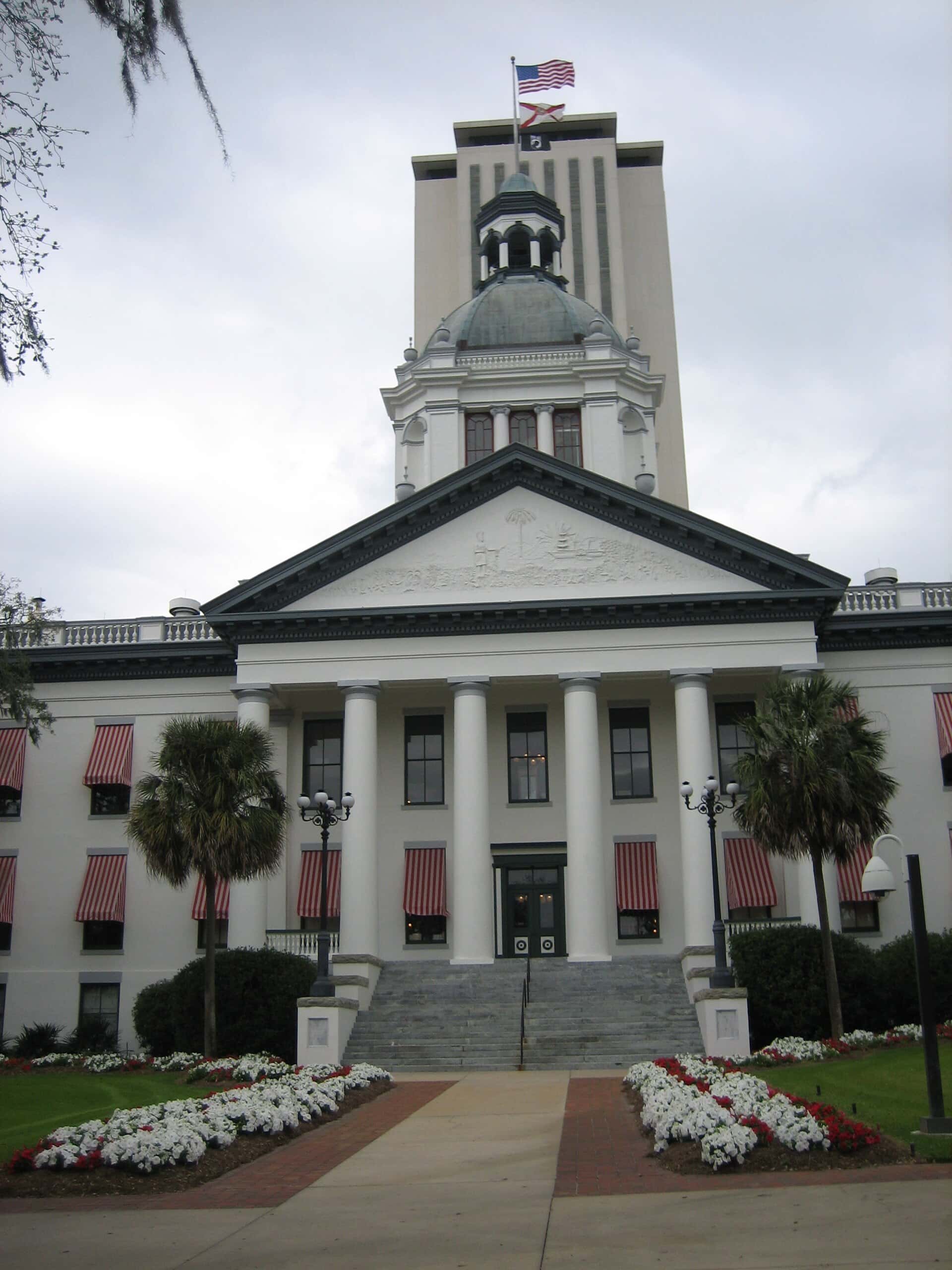
U.S. District Judge Mark Walker rejected a constitutional challenge to Florida's restrictions on the citizen ballot initiative process on May 1, 2026, upholding a state law that requires petition circulators to be registered voters and shortens the deadlines for submitting petitions to the state. The judge found no First Amendment or Equal Protection violations in the law, even as he acknowledged that the changes had made the initiative process virtually dead except for well-funded efforts.
The ruling preserves a framework that has fundamentally reshaped how Floridians can amend the state constitution through citizen-led ballot measures. Supporters of the law argue that it imposes necessary safeguards against fraud and out-of-state influence. Critics say it effectively transfers control of the constitutional amendment process from voters to well-resourced interests that can fund large paid signature gathering operations.
What the law does
The Florida statute at the heart of the case imposes a series of requirements on the citizen initiative process. Petition circulators must be registered to vote in Florida, which limits the pool of available signature gatherers and makes it harder to deploy professional teams from other states. The law also shortens the deadlines by which signatures must be collected and submitted to state officials for verification.
Additional provisions tighten the procedures for signature verification, impose financial penalties for noncompliance, and require detailed reporting about the circulators used by sponsoring committees. The combined effect of these requirements has been to substantially increase the cost and operational complexity of running a citizen initiative campaign in Florida.
Florida historically has had one of the more demanding initiative processes in the country, requiring proposed amendments to qualify in a specified number of congressional districts and to win approval from 60 percent of voters in a general election. The newer restrictions stack additional procedural hurdles on top of that already substantial framework.
The legal challenge
The constitutional challenge to the law was brought by groups that have been active in past Florida initiative campaigns and by individual circulators who said the registration requirement and other provisions burdened their ability to participate in political speech. The plaintiffs argued that the restrictions violated the First Amendment by limiting core political activity and the Equal Protection Clause by treating Florida residents and non-residents differently.
Judge Walker, writing for the federal district court, found that the state had legitimate interests in regulating the initiative process and that the specific provisions did not rise to the level of constitutional violations. The court applied the established legal standards for election regulation, which give states substantial latitude to impose procedural rules even when those rules make political activity more difficult.
The judge's opinion notably acknowledged the practical effect of the law on the initiative process. He observed that the cumulative impact of the restrictions had made the citizen initiative process effectively unavailable to all but the best-funded efforts, even as he concluded that the law fell within constitutional bounds.
The practical impact on initiatives
Recent years have seen a sharp decline in successful Florida ballot initiatives. Several high-profile efforts on issues including marijuana legalization, abortion rights, and minimum wage increases have either failed to qualify for the ballot or fallen short of the 60 percent supermajority required for approval. The new procedural rules contributed to both the qualification challenges and the financial burdens facing sponsoring committees.
The cost of running a successful Florida initiative campaign has risen dramatically. Estimates from political consultants who work in the space put the price of qualifying a measure for the ballot at well over $10 million in many cases, and the cost of running a successful supermajority campaign can easily exceed $50 million when paid media and field operations are included.
The financial barrier has effectively limited the initiative process to issues that have backing from major donors, organized industry groups, or national advocacy organizations with substantial resources. Grassroots initiatives without major financial support face nearly insurmountable obstacles under the current framework.
The Florida context
Florida voters have used the initiative process to enact significant policy changes in the past, including restoration of voting rights for many people with felony convictions, medical marijuana legalization, and minimum wage increases. Each of those efforts required sustained organizing and significant financial backing.
The political response to those successful initiatives has included a series of legislative actions tightening the rules under which future initiatives can qualify. State leaders have framed those changes as responses to documented fraud in past petition drives and to concerns about out-of-state influence in Florida elections.
Critics argue that the tightening reflects a deliberate effort to neutralize the citizen initiative as a check on the elected Legislature, particularly when the initiative process has been used to enact policies the Legislature has declined to pass. The dispute over the initiative rules is part of a broader debate about the balance between legislative and direct democratic processes in Florida.
Reaction from initiative supporters
Organizations that have been active in past Florida initiative campaigns expressed deep disappointment with the ruling. Groups working on issues including reproductive rights, criminal justice reform, environmental protection, and Medicaid expansion have all faced the cumulative effects of the procedural changes, and the federal court's affirmation of the framework was a significant setback for their organizing efforts.
Supporters of the initiative process argued that the practical observations in Judge Walker's opinion underscore the very harm the lawsuit had sought to address. They argued that a process the court itself acknowledged is effectively unavailable to most citizens cannot fairly be described as a meaningful exercise of constitutional rights.
Several civil rights organizations indicated they will pursue additional legal options, including possible appeal to the Eleventh Circuit and exploration of other legal theories that might better fit the specific provisions of the Florida law. The advocacy community is also exploring legislative and political strategies to address the restrictions.
Reaction from supporters of the restrictions
State officials who defended the law welcomed the ruling. According to public statements from the attorney general's office and from legislative leaders, the decision affirms the constitutionality of Florida's approach to regulating ballot initiatives and validates the procedural safeguards put in place over the past several years.
Supporters argued that the restrictions address legitimate concerns about petition fraud, payment per signature arrangements that can incentivize misconduct, and the involvement of out-of-state operations in Florida's constitutional amendment process. They pointed to past cases of documented petition fraud as justification for the tightened rules.
Business and industry groups that have opposed specific past initiatives generally supported the framework as well. The combination of the supermajority requirement and the tightened procedural rules has significantly reduced the risk that initiatives perceived as adverse to business interests will reach the ballot or win approval.
What it means for Floridians
For Florida voters, the ruling underscores that the constitutional amendment process through citizen initiative is, for the foreseeable future, largely available only to well-funded efforts. Issues that lack major institutional backing are unlikely to advance through the citizen petition route, regardless of the level of public interest in them.
For Floridians who want to influence state policy, the ruling reinforces the importance of legislative engagement, including communication with state legislators, participation in local party structures, and engagement with the state's regular election process. Direct democracy through citizen initiative will remain available but only for issues that can attract substantial financial backing.
For Floridians involved in advocacy and organizing, the ruling is a signal to recalibrate strategy. Coalitions seeking to advance policy goals will need to weigh the substantial costs of citizen initiatives against alternatives including legislative lobbying, electoral organizing, and litigation. The trade-offs have shifted significantly under the new framework.
Local impact across the state
The ruling has implications across Florida's diverse regions, from rural counties with limited political organizing infrastructure to dense urban areas where past initiative campaigns have drawn substantial volunteer support. Smaller communities are particularly affected because they often relied on grassroots petition gathering rather than paid professional operations.
The Tampa Bay and Central Florida regions, which have historically been important to initiative campaigns due to their large populations and competitive political environments, will see continued effects of the framework as future campaigns either succeed in raising the necessary funds or fail to reach the ballot. South Florida's large population also makes it a critical region for initiative efforts.
Throughout the state, local advocacy groups that have built capacity for past initiative campaigns face strategic choices about whether to maintain that infrastructure given the high cost of new efforts. Some organizations have already shifted resources toward direct legislative engagement and litigation as their primary tools for policy advocacy.
The path forward
The plaintiffs in the federal case are likely to appeal the ruling to the Eleventh Circuit Court of Appeals. Appeals in cases of this nature typically take many months to resolve, and the outcome at the appellate level will determine whether the constitutional issues can be revisited on different legal grounds.
Beyond the appellate process, advocates may also pursue additional legal challenges focused on specific provisions of the Florida law. Some legal theories that were not the primary focus of the original lawsuit may become more prominent in future litigation, particularly if facts develop that change the constitutional analysis.
Politically, the issue is likely to remain prominent in Florida public debate. Both supporters and critics of the restrictions have strong incentives to keep the issue visible, and the framework's effects on specific policy debates will continue to generate attention as future initiative campaigns either succeed or fail under the current rules.
National context for initiative restrictions
Florida is not alone in tightening its citizen initiative rules. Several other states with active initiative traditions have adopted procedural changes that increase the cost and difficulty of qualifying ballot measures. The pattern has accelerated over the past several years and reflects a broader political conversation about the appropriate scope of direct democracy in state governance.
Comparative data from other states suggests that registered voter requirements for circulators, shortened submission deadlines, and stricter signature verification rules all measurably reduce the number of initiatives that reach the ballot. Florida's framework combines several of those features, producing what advocacy groups have described as among the most restrictive initiative environments in the country.
What is next
The immediate next step is the consideration of appeal by the plaintiffs. Appellate strategy decisions will be made in consultation with the broader coalition of organizations that support a more open initiative process, and the timing of any appeal will be informed by ongoing political and legal developments.
State officials will continue to enforce the existing framework. The Department of State and other agencies that administer the initiative process will apply the rules as they currently stand, including the registered voter requirement for circulators and the tightened submission deadlines.
Floridians interested in particular policy issues will need to make strategic choices about how to advance their goals within the current framework. For issues where citizen initiative is no longer a realistic option, attention is likely to shift to the Legislature, the courts, and the state's regular electoral processes as primary venues for policy change.
Spotted an issue with this article?
Have something to say about this story?
Write us a letterComments
No comments yet. Be the first to weigh in.
Related Coverage

Miami shuts enclosed park slides after 13-year-old dies following Shenandoah Park incident
1d ago

Appeals Court Orders Hope Florida Grand Jury Report Expunged, Rules $10 Million Was Never Public Money
2d ago

Jacksonville Council Committees Clear $30 Million Gas Tax Loan to Rescue JTA Ahead of Oct. 13 Final Vote
2d ago
Florida Supreme Court Suspends Pinellas-Pasco Judge Jennifer Cruz Dubbeld 20 Days Over 2024 Campaign Misconduct
2d ago