Florida Battles More Than 2,100 Wildfires Amid Historic Drought, With Ocean Temperatures Rising at Alarming Rate
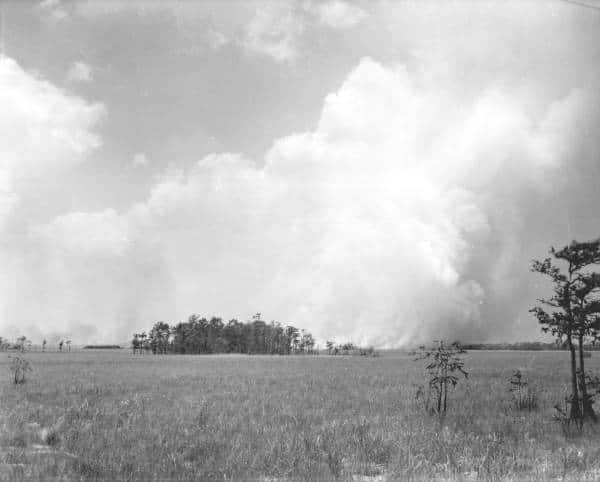
Florida is navigating one of the most severe wildfire and drought crises in at least a quarter century, with more than 2,100 fires burning across the state since January 2026 and scorching over 100,000 acres of forests, wetlands, and grasslands. The prolonged dry conditions, which have affected nearly the entire state, are compounding environmental concerns about rising ocean temperatures along Florida's coastline and the vulnerability of ecosystems from the Everglades to the Panhandle's longleaf pine forests.
The Scale of the Fire Season
The Florida Forest Service and the Florida Division of Emergency Management have tracked 2,124 wildfires in the state since January 1, 2026, which have collectively burned approximately 98,069 acres through late May. Fire activity has been concentrated in South Florida, where the Everglades system and surrounding conservation lands have experienced multiple significant burns, but fires have occurred in every region of the state as drought conditions have left vegetation abnormally dry and combustible.
One of the most significant fire events in the early part of the year involved a blaze near the Miami-Dade and Broward county line that scorched more than 11,000 acres and required a multi-agency response involving state and local fire crews, helicopters, and aircraft. The fire threatened communities at the urban-wildland interface in western Broward County and resulted in temporary evacuations in some neighborhoods before crews brought it under control.
Weather conditions across the state have been exceptionally favorable for fire spread, with dry air masses, below-normal humidity, and intermittent periods of elevated wind creating the combination that fire managers describe as critically dangerous. The Florida Forest Service has issued numerous red flag warnings throughout the spring, a designation that signals extreme fire danger and triggers additional staffing and resource prepositioned protocols.
The Drought Behind the Fires
The wildfire crisis is rooted in an exceptional drought that has persisted across Florida since mid-2025. A lack of landfalling tropical cyclones during the 2025 Atlantic hurricane season left the state without the significant rainfall that typically recharges Florida's aquifer system, refills wetlands, and interrupts the fire season's window of risk. By mid-February 2026, nearly 99 percent of Florida was under some form of drought designation, with 85 percent categorized as severe drought or worse according to the U.S. Drought Monitor.
From mid-March to mid-April 2026, a critical two-month window for transitional rainfall that would normally help moderate conditions, Florida received less than a quarter of its historical average precipitation for that period. The shortfall extended and deepened drought conditions heading into the late spring period when the rainy season typically begins offering relief. Meteorologists monitoring conditions said the onset of meaningful summer rainfall may be delayed relative to historical norms, extending the window of elevated fire danger.
The drought has created a secondary environmental crisis in Florida's springs and river systems. The Floridan Aquifer, which supplies drinking water for millions of Floridians and sustains the state's famous natural springs, is showing lower water levels than in recent years. Some first-magnitude springs have experienced reduced flow, affecting water clarity, aquatic habitat, and the iconic clear-water tourism experience that draws visitors from around the world to sites like Ichetucknee Springs State Park and Blue Spring State Park.
Ocean Temperatures and the Hurricane Amplification Risk
Climate researchers and oceanographers have raised a separate but related concern about Florida's ocean temperatures. Studies have found that water temperatures along Florida's coastline are rising approximately twice as fast as the global ocean average, a trend that carries significant implications for hurricane intensity as the 2026 hurricane season approaches.
Warmer ocean water serves as the energy source that powers tropical storms and hurricanes. When a developing tropical system moves over water that is several degrees warmer than the seasonal average, the potential for rapid intensification increases substantially. The 2025 hurricane season produced notable examples of rapid intensification events that caught communities with shorter warning windows than traditional track forecasts provided.
While NOAA's 2026 Atlantic hurricane season forecast predicts a below-normal season overall due to El Nino conditions, the exceptionally warm near-shore waters around Florida could contribute to rapid intensification if a storm does develop and track toward the peninsula. Scientists at Florida International University and the University of Miami have published research noting that the combination of drought-stressed landscapes and warm offshore waters creates a risk environment that makes infrastructure and community preparation especially important this year.
Impacts on the Everglades
The Everglades ecosystem, which encompasses the largest subtropical wilderness in North America and provides critical water supply and flood protection for South Florida's urban areas, has been particularly affected by the drought and fire conditions. The wet prairies and tree islands that characterize much of the Everglades are adapted to a fire-dependent ecological cycle, but the current conditions represent fire pressure beyond the normal seasonal pattern.
NASA researchers using airborne measurement technology have been studying how the drought is affecting greenhouse gas fluxes in Florida's wetlands. Under normal wet conditions, the Everglades and surrounding mangrove forests function as a significant carbon sink, absorbing more carbon dioxide from the atmosphere than they release. However, as drought stresses the ecosystem and fire converts organic matter into atmospheric carbon, the ecosystem's role as a carbon sink may be diminishing. Researchers said a warming and drying ecosystem increasingly stressed by human activity could shift from being a carbon sink to a carbon source, with implications for climate targets.
Everglades restoration efforts, which represent one of the largest environmental restoration projects in American history, have continued despite the drought conditions, with state and federal agencies maintaining funding for water storage, flow restoration, and invasive species control. But water managers have had to balance competing demands for the limited water available in the system, including agricultural irrigation, urban water supply, and ecological needs.
Community Preparedness and Firefighting Resources
The Florida Forest Service has maintained an elevated posture for wildfire response throughout the 2026 fire season, prepositioning additional equipment and crews in high-risk areas and coordinating with local fire departments to ensure rapid response to new ignitions. The agency has mutual aid agreements with neighboring states and the federal government that allow Florida to request additional firefighting resources when conditions overwhelm in-state capacity.
Local governments in fire-prone communities have encouraged residents to take steps to reduce the ignitability of their properties and the surrounding areas, a practice known as creating defensible space. The Florida Forest Service's FireWise program provides guidance on vegetation management, building materials, and emergency planning for homeowners in wildland-urban interface zones where residential development abuts fire-prone natural areas.
What Is Next
Forecasters said the onset of Florida's traditional rainy season, which normally brings daily afternoon thunderstorms from June through September, will be the primary determinant of whether the wildfire situation improves meaningfully. A timely start to the rainy season would rehydrate the landscape, restore wetland levels, and reduce the fire danger index across the state. A delayed or below-normal rainy season could extend the fire risk well into July.
The combination of drought conditions, elevated ocean temperatures, and the approaching hurricane season has prompted emergency management officials at the state and county level to review their readiness plans. Drought-weakened trees are more susceptible to wind damage, potentially amplifying the structural damage from a landfalling storm. County emergency managers in South Florida are incorporating the drought and fire conditions into their seasonal briefings as they prepare communities for the June 1 start of the Atlantic hurricane season.
Spotted an issue with this article?
Have something to say about this story?
Write us a letterComments
No comments yet. Be the first to weigh in.
Related Coverage

Record Sargassum Season Fades as Key West and UM Researchers Prepare for the Next Wave
1d ago
Florida's New Stormwater Pollution Credit Rules Draw Fire From Environmentalists and Industry Alike
3d ago
Lead pellets from shot iguanas linked to first known crocodile poisoning death in Florida
5d ago

DeSantis and Cabinet protect more than 10,770 acres, from Putnam County woods to Martin County ranches
Oct 4