Florida Expands Screwworm Emergency Rules as Flesh-Eating Parasite Spreads Closer
Florida has strengthened and extended emergency rules designed to keep the New World Screwworm out of the state after the U.S. Department of Agriculture confirmed the flesh-eating parasite in neighboring Texas. Agriculture Commissioner Wilton Simpson issued Emergency Rule 5CER26-6 on June 5, 2026, then followed with the broader Emergency Rule 5CER26-7 on June 10, 2026, to tighten and expand protections for the state's livestock, pets and wildlife. As of mid-June, there have been no detections of the parasite anywhere in Florida.
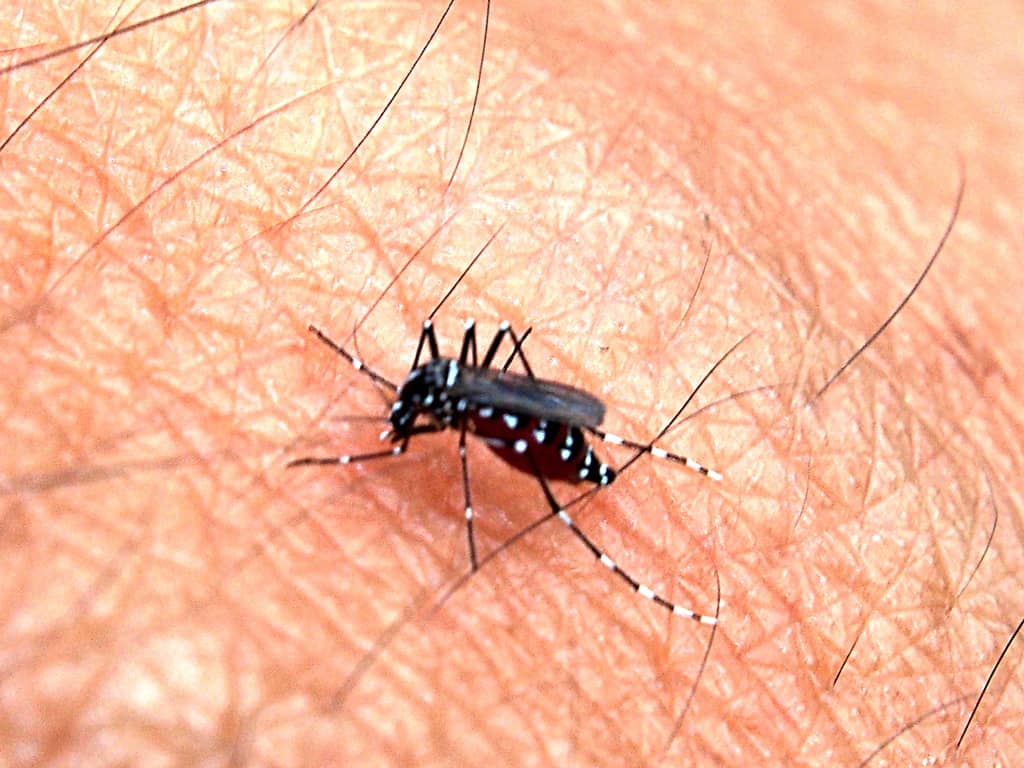
The New World Screwworm, often abbreviated as NWS, is a parasitic fly whose larvae feed on the living tissue of warm-blooded animals. That distinguishes it from most maggots, which consume only dead flesh. Infestations can prove fatal to cattle, household pets and wild animals if left untreated, and the threat is serious enough that state officials are acting before any case appears on Florida soil.
For a state where agriculture remains a multibillion-dollar economic engine and where cattle ranching stretches across the interior, the stakes are significant. Officials have framed the emergency rules as a preventive firewall, intended to slow or stop the parasite's movement toward the peninsula while the federal government works to contain confirmed detections elsewhere.
What the emergency rules do
The two emergency rules layer new restrictions on the movement of animals into Florida. They limit the importing of warm-blooded animals from counties with confirmed detections and from surrounding counties, an approach meant to create a buffer around any known outbreak rather than relying on a single county line.
The rules also establish what the state calls infested zones, geographic areas tied to confirmed detections where additional restrictions apply. By drawing these zones, the Florida Department of Agriculture and Consumer Services aims to keep animals that may carry larvae from entering the state's herds, shelters and homes.
One of the most direct consumer-facing measures bans the importing of rescue and shelter dogs and cats from affected states until further notice. Rescue transport networks frequently move animals across state lines, and officials identified that traffic as a potential pathway for the parasite to reach Florida pets. The June 10 rule strengthened and expanded the earlier June 5 order rather than replacing it outright.
According to the state, the restrictions are intended to remain flexible as conditions change, allowing officials to adjust the affected geography if the USDA confirms new detections.
Where the parasite has been found
The renewed push followed USDA confirmation of the New World Screwworm in Texas. The parasite has now been detected in both Texas and New Mexico, two states that sit along the southern tier of the country and that have long been monitored as potential reentry points for pests moving north.
Florida's first emergency rule, issued June 5, came in direct response to the Texas confirmation. Five days later, the second rule broadened the protections, a sign that state officials viewed the situation as evolving quickly enough to warrant a stronger response.
Importantly, none of the confirmed detections are in Florida. State officials have repeatedly emphasized that the rules are precautionary, built to keep the parasite from establishing a foothold rather than to respond to an infestation already underway.
A state of emergency, amended
On June 10, 2026, Commissioner Simpson requested and received an amendment to an existing executive order from Gov. Ron DeSantis, adding the screwworm threat to the order's scope. DeSantis had originally declared a state of emergency in February 2026 over severe winter weather, drought and wildfire risks to Florida agriculture.
Folding the parasite threat into that existing order gives state agencies expanded authority and flexibility to respond. Emergency declarations typically allow officials to move resources, suspend certain procedural requirements and coordinate across agencies more quickly than ordinary rulemaking would permit.
The amendment also signals coordination at the highest levels of state government. With the agriculture commissioner and the governor aligned on the threat, the response carries the weight of both the department that regulates the industry and the executive branch that can marshal broader emergency powers.
Why screwworm is so feared
The New World Screwworm was eradicated from the United States decades ago, a public health and agricultural achievement accomplished largely through the sterile insect technique. That method involves releasing large numbers of sterilized male flies so that wild females mate without producing offspring, gradually collapsing the population. The success of that campaign is one reason the parasite's reappearance in the country draws such intense attention.
The parasite threatens cattle and other livestock, but its reach extends to wildlife and pets as well. Florida's endangered Key deer, a small subspecies found in the Florida Keys, are considered especially vulnerable, and a screwworm outbreak among them in past years underscored how quickly the parasite can harm a fragile population. Pets are also at risk, which is part of why the import bans on shelter animals were included.
Human infestations are rare but possible, adding a public health dimension to what is primarily an agricultural and wildlife concern. The combination of economic, ecological and health risks helps explain why officials are treating the threat as urgent even in the absence of any Florida case.
A coordinated state response
The screwworm response illustrates how multiple arms of Florida government can move in concert against a single threat. The Florida Department of Agriculture and Consumer Services, led by Commissioner Simpson, supplied the regulatory tools through its two emergency rules, while the governor's office contributed broader emergency authority through the amended executive order.
That coordination matters because an effective defense against the parasite requires both regulatory restrictions and the resources to enforce and support them. Emergency rules can limit animal movement, but an emergency declaration can unlock the personnel, funding and flexibility needed to back those rules up. The pairing of the two gives the state a more complete response than either could provide alone.
The speed of the response also reflects the value of having these mechanisms ready to deploy. Within days of the USDA confirmation in Texas, Florida had a rule in place, and within a week it had strengthened that rule and folded the threat into a standing emergency. That pace would be difficult to achieve through ordinary processes, underscoring why officials reached for emergency tools.
For a threat that can move as quickly as the parasite can travel with infested animals, the ability to act fast is essential. The coordinated structure now in place positions the state to adjust its response promptly should conditions change, whether by tightening restrictions further or by adapting the affected geography as new information emerges.
Impact on Florida's agriculture and pet owners
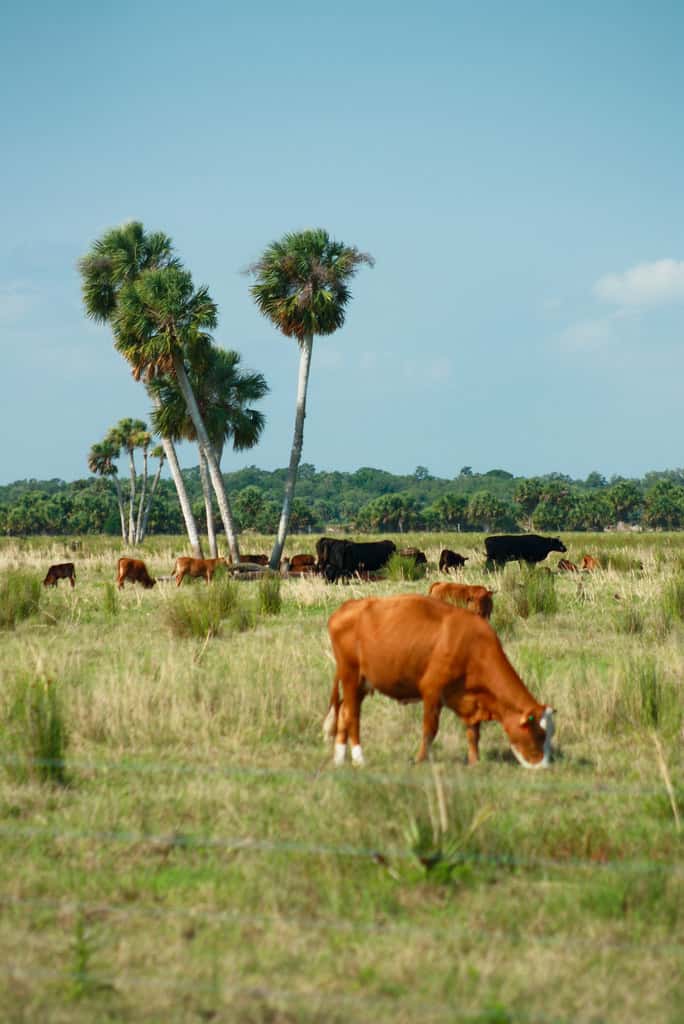
Florida's cattle industry, concentrated across the central and southern interior of the state, would bear much of the direct economic risk from any incursion. Beyond cattle, the broader agriculture sector and the wildlife that draws tourists and supports the state's natural ecosystems could all feel the effects of an outbreak. The losses from an established infestation could extend across ranching operations, veterinary resources and the rural economies that depend on healthy livestock.
Pet owners face the most immediate practical change. The ban on importing rescue and shelter dogs and cats from affected states could disrupt adoption pipelines that bring animals into Florida from other parts of the country. Prospective adopters and rescue organizations may need to adjust their plans while the restrictions remain in place.
For ranchers and veterinarians, the period ahead is likely to involve heightened vigilance, with attention paid to any unusual wounds or infestations in animals. Early detection has historically been central to containing the parasite, and officials are counting on the agricultural community to serve as an early warning network.
How the parasite spreads
Understanding how the New World Screwworm moves helps explain the design of Florida's restrictions. The parasite spreads through the movement of infested animals, whose wounds harbor the larvae that can mature into adult flies capable of laying eggs in new hosts. When an infested animal travels, it can carry the parasite into new areas.
That dynamic is why the state's rules focus so heavily on animal movement. By restricting the import of warm-blooded animals from affected counties and surrounding areas, and by banning the entry of rescue and shelter dogs and cats from affected states, officials are targeting the principal pathway by which the parasite could reach Florida. Cutting off that movement is central to keeping the parasite out.
The larvae feed on living tissue, distinguishing the screwworm from the many flies whose larvae consume only dead matter. An open wound, even a small one, can become a site of infestation, and the resulting damage can grow severe as the larvae burrow deeper. Left untreated, infestations can be fatal, which is why early detection and treatment are so important when the parasite is present.
Because the parasite can affect such a wide range of warm-blooded animals, the potential pathways for its spread are numerous. That breadth is part of what makes the screwworm difficult to contain once established and what drives the emphasis on prevention. Stopping infested animals before they enter the state is far more effective than confronting the parasite after it has taken hold.
What's next
State officials will continue to monitor USDA confirmations in Texas, New Mexico and any other states where the parasite may appear, adjusting the infested zones and import restrictions as the situation develops. Because the rules are written to remain flexible, the affected geography could expand or contract depending on where new detections occur.
The bans on importing rescue and shelter animals from affected states remain in effect until further notice, meaning rescue organizations and adopters should expect the restrictions to persist for the foreseeable future. Florida's agriculture department is expected to issue updated guidance as conditions change.
For now, the central message from the state is that Florida remains free of the New World Screwworm and that the emergency rules are meant to keep it that way. Officials have stressed that the precautionary posture, backed by the amended state of emergency, gives them the tools to respond quickly should the parasite move closer to the peninsula.
Spotted an issue with this article?
Have something to say about this story?
Write a letter to the editor