Florida Heat Wave Pushes Feels-Like Temperatures Near 110 Degrees
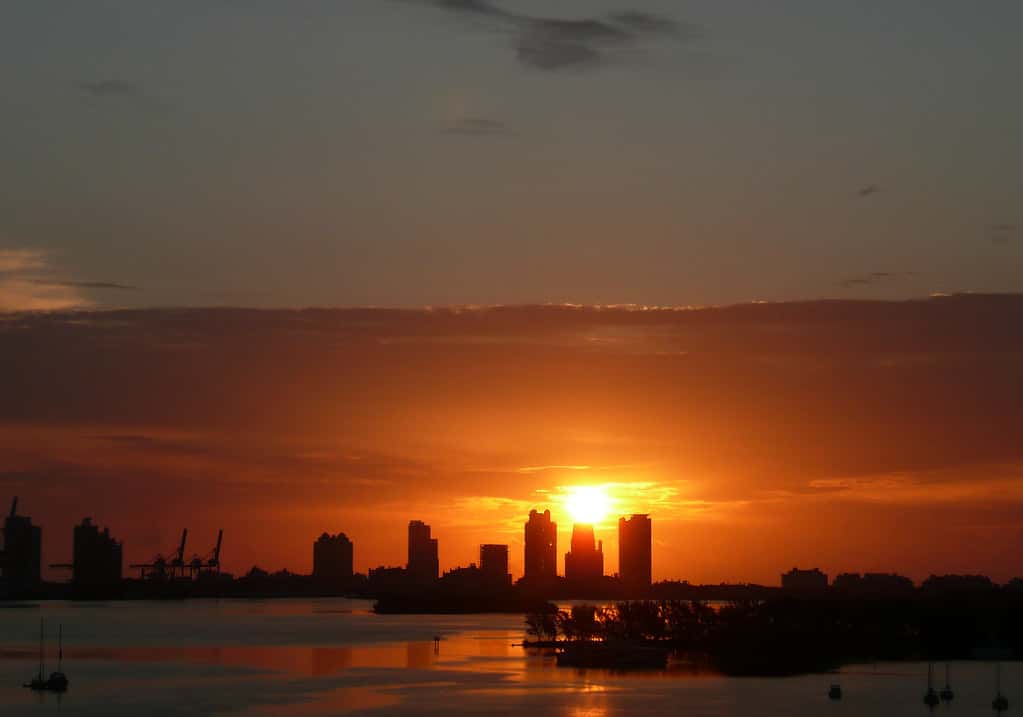
Florida is enduring an intense early-summer heat wave layered atop a longer-term warming trend, with South Florida bearing some of the most punishing conditions. Around the Juneteenth and Father's Day weekend in mid-June 2026, highs across South Florida reached the low-to-mid 90s, while heat-index values, the 'feels-like' temperatures that combine heat and humidity, climbed to about 110 degrees. The combination has placed residents, workers, and the power grid under strain.
The heat arrived early and ran hot. Earlier in June, highs near 93 degrees in Miami tied or approached records, with the old mark of 93 set in 1998. That brush with record territory underscored that this is not an ordinary summer warm-up but a stretch of unusually elevated temperatures consistent with a broader pattern that meteorologists have been tracking across the region and the country.
For Floridians, the practical stakes are immediate. Extreme heat poses real dangers to outdoor workers and the elderly, drives up electricity demand as air conditioners run harder, and tests the resilience of communities accustomed to heat but facing it now in more intense and sustained forms. The early arrival of such conditions signals a demanding season ahead.
A Brutal Holiday Weekend
The mid-June holiday weekend brought some of the most intense conditions of the early summer. Across South Florida, daytime highs settled into the low-to-mid 90s, temperatures that are hot on their own. But the region's defining feature, its humidity, pushed the experience well beyond what the thermometer alone suggested, with heat-index readings reaching about 110 degrees.
The heat index matters because it reflects how the human body actually experiences the weather. When humidity is high, sweat evaporates less efficiently, making it harder for the body to cool itself. A feels-like value near 110 degrees represents conditions in which heat-related illness becomes a serious risk, particularly for those exposed for extended periods or without access to cooling.
The timing around Juneteenth and Father's Day meant that many residents were outdoors for holiday gatherings, beach outings, and celebrations, increasing exposure during the hottest part of the year so far. Communities that planned events had to weigh the heat against the festivities, and the conditions served as an early reminder of the precautions the season would demand.
The weekend's readings fit into a pattern of elevated temperatures that has stretched across the state. Rather than an isolated spike, the heat reflected a sustained period of warmth that meteorologists have linked to broader atmospheric and oceanic conditions, making the holiday weekend a vivid illustration of the summer's character.
Records and Rising Baselines
The early-June heat in Miami nearly matched the record books. Highs near 93 degrees tied or approached records for the date, with the prior mark of 93 set back in 1998. Brushing against a record set nearly three decades earlier highlighted how warm the early summer had become, even before the peak of the season arrived.
Beyond individual daytime highs, meteorologists point to a subtler but significant shift: Florida summer mornings and overnight lows are trending warmer. Nighttime is when bodies, buildings, and the landscape normally shed heat accumulated during the day. When overnight lows stay elevated, that cooling is incomplete, and the cumulative stress of a heat wave intensifies.
Warmer overnight conditions carry particular health significance. The relief that nighttime traditionally provides diminishes, leaving less recovery time for people, especially those without reliable air conditioning. The trend toward warmer lows means that the danger of a heat wave is not confined to the afternoon but extends through the night, raising the overall risk.
These rising baselines reflect a longer-term warming trend rather than a single hot spell. Meteorologists describe a pattern in which the floor of summer temperatures is creeping upward, so that even ordinary days start from a warmer point. The early-June flirtation with records and the persistently warm nights are signals of that broader shift.
The Role of the Gulf and Broader Patterns
A key factor in the region's heat is the temperature of the surrounding waters. Meteorologists note that an unusually warm Gulf adds moisture to the air, increasing humidity and making it harder for the atmosphere, and for people, to cool off. Warm water feeds the muggy conditions that drive heat-index values to dangerous levels, amplifying the effect of high air temperatures.
The warmth has not been confined to Florida. Above-normal temperatures have blanketed the lower 48 states, indicating that the conditions stressing the peninsula are part of a continental pattern. According to reports, some of the warmth has been attributed to broad ocean and atmospheric patterns, a tentative explanation that frames the heat within larger climatic forces rather than purely local factors.
The interplay between a warm Gulf and broad atmospheric conditions helps explain why the heat has been both intense and persistent. The Gulf's warmth supplies the moisture, while large-scale patterns keep temperatures elevated over a wide area. Together they create an environment in which heat builds and lingers, with Florida positioned to feel the effects acutely.
Because the warmth spans the country, the conditions in Florida cannot be understood in isolation. The state's experience reflects a wider episode of elevated temperatures, and the attribution to ocean and atmospheric patterns, offered tentatively in reporting, situates the local heat within a broader picture that meteorologists continue to analyze as the season unfolds.
Health and Energy Stakes for Floridians
The most serious concern during extreme heat is human health. Outdoor workers, who labor in construction, agriculture, landscaping, and other fields, face prolonged exposure during the hottest hours, putting them at heightened risk of heat exhaustion and heat stroke. The elderly are also especially vulnerable, particularly those who lack reliable cooling or who have underlying health conditions.
Heat-safety guidance becomes critical under these conditions. Standard recommendations include staying hydrated, limiting strenuous outdoor activity during peak heat, seeking air-conditioned spaces, and checking on vulnerable neighbors and relatives. When feels-like temperatures approach 110 degrees, these precautions move from advisable to essential, as the margin for safe outdoor exposure narrows considerably.
The heat also strains the energy system. As temperatures climb, demand on the grid rises sharply, with utilities such as Florida Power and Light supplying the electricity that keeps air conditioners running. High demand tests the capacity of the grid, and sustained heat waves can push energy systems toward their limits, making reliability a central concern during the hottest stretches.
For households, the surge in cooling needs translates into higher energy use and the prospect of larger bills, adding an economic dimension to the heat. Balancing comfort and cost becomes a daily calculation for many families, even as the health risks make adequate cooling a necessity rather than a luxury during the most extreme conditions.
A Longer-Term Trend
The current heat wave is best understood against the backdrop of a longer-term warming trend. Meteorologists emphasize that the warmer mornings, elevated overnight lows, and unusually warm Gulf are not one-off occurrences but part of a pattern in which Florida summers are growing hotter and more humid over time. That trend shapes the context in which each individual heat wave occurs.
The implications extend across Florida life. As baseline temperatures rise, the conditions that once defined extreme events edge toward becoming more common. Communities, employers, and utilities face the prospect of adapting to summers that start earlier, run hotter, and offer less overnight relief than in decades past, with the early-2026 heat serving as a marker of that direction.
The warming trend also intersects with the state's vulnerability to other climate-related stresses, from the demands on infrastructure to the health of residents. A hotter, more humid environment compounds existing challenges, making heat a recurring and intensifying feature of Florida's climate that planners and households must increasingly account for in their decisions.
For Floridians, recognizing the trend reframes the heat wave from a passing inconvenience to a glimpse of a broader shift. The records approached, the warm nights, and the moisture-laden air all point toward a future in which managing extreme heat becomes a more central part of life in the state, reinforcing the importance of preparation and adaptation.
What Comes Next
In the near term, residents can expect the demands of an intense summer to continue, with heat-index values capable of reaching dangerous levels when high temperatures combine with the region's humidity. Vigilance around heat safety, attention to vulnerable populations, and awareness of grid conditions will remain important as the season progresses through its hottest months.
Utilities and emergency officials typically respond to extended heat with public guidance and, when needed, measures to manage energy demand and protect those most at risk. The early arrival of severe conditions suggests that such responses may be called upon repeatedly, and that Floridians should be prepared for a sustained period of heat rather than a brief spell.
Over the longer horizon, the warming trend that meteorologists describe points toward summers that test the state's resilience. How communities, employers, and the energy system adapt will shape Florida's ability to manage the heat in the years ahead. The conditions of mid-June 2026 offer both an immediate challenge and a preview of that larger task.
For now, the message to Floridians is straightforward: the heat is intense, the feels-like temperatures are dangerous, and the precautions that protect health are essential. As the state moves deeper into summer, the combination of an early heat wave and a longer-term warming trend keeps extreme heat at the front of the seasonal agenda.
Communities on the Front Line
The burden of extreme heat does not fall evenly across Florida. Outdoor workers in agriculture, construction, and service industries spend long hours exposed to conditions that grow more dangerous as feels-like temperatures climb toward 110 degrees. For these workers, the heat is not a matter of comfort but of occupational safety, and sustained heat waves heighten the risks they face on the job each day.
Older residents and those with limited access to cooling represent another vulnerable group. In communities where some households lack reliable air conditioning, the warmer overnight lows that meteorologists have noted leave little respite, compounding the cumulative strain of consecutive hot days. Checking on neighbors and relatives becomes a practical safeguard during the most intense stretches of the season.
Local governments and community organizations often respond by opening cooling centers and issuing guidance when heat reaches dangerous levels. Such measures provide refuge for those most at risk, and the early arrival of severe conditions in 2026 may prompt these responses earlier and more frequently than in a typical year. The effectiveness of that support can make a meaningful difference for vulnerable populations.
The strain extends to the institutions that serve the public, from utilities managing surging demand to health systems prepared for heat-related illness. As the season progresses, the capacity of these systems to respond will be tested by the persistence of the heat, reinforcing the importance of preparation across every level of the community.
Spotted an issue with this article?
Have something to say about this story?
Write a letter to the editorComments
No comments yet. Be the first to weigh in.
Related Coverage
Rust Tide Turns Southwest Florida Waters Murky Around Sanibel and Pine Island
2h ago
A Rust-Colored Bloom Is Fouling the Waters Around Sanibel and Pine Island
2d ago
Florida's Coast Stays Clear of Red Tide as FWC Sampling Finds No Bloom Statewide
3d ago
Florida Wildlife Officials Propose Strict New Sloth Rules After Dozens Died at an Orlando Attraction
5d ago