Florida Legislature Faces Budget Deadline as Schools, Healthcare and Everglades Funding Remain Unresolved in Special Session
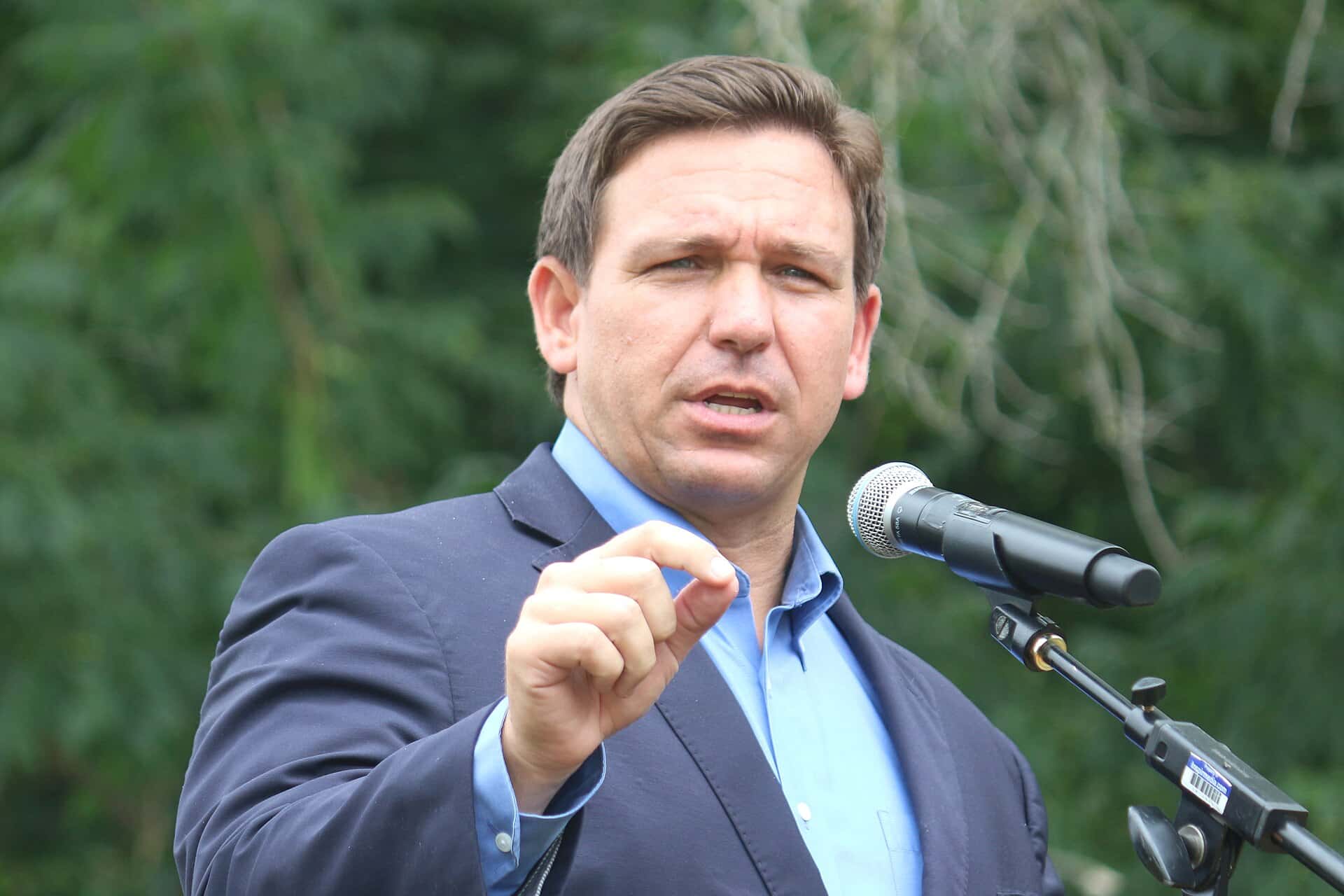
Florida lawmakers remain locked in a standoff over the state's fiscal year 2026-27 budget as a special session scheduled through May 29 inches toward its deadline with major spending disputes unresolved. Billions of dollars for public schools, Medicaid healthcare services, and Everglades restoration remain unsettled as of May 24, with the Senate and House budget chairs, Sen. Ed Hooper and Rep. Lawrence McClure, yet to hold a public conference meeting on the remaining differences. If negotiators cannot reach an agreement and transmit the final budget for the mandatory 72-hour public review period by Tuesday, a government shutdown becomes a genuine possibility.
Why There Is a Special Session
The special session was called after Florida's regular legislative session ended in March without a state budget, an uncommon failure driven largely by a push from House Speaker Daniel Perez to cut spending below existing levels. Perez and House allies argued that state spending had grown too rapidly and that a period of austerity was needed, while the Senate and Governor Ron DeSantis took the position that the proposed House cuts were too deep and would harm core state services. Unable to bridge that gap during the regular session, DeSantis called lawmakers back to Tallahassee beginning May 12.
Budget conference committees, which include members of both chambers, completed their initial round of negotiations the week before May 24, leaving a long list of unresolved items to be handled by the two budget chairs. The process requires Hooper and McClure to work through every contested line item, but public meetings between the two had not been scheduled as of this weekend, raising concerns among advocates for education, healthcare, and the environment about whether a deal can be struck in time.
Florida's constitution requires the budget to be available for public inspection for at least 72 hours before the Legislature can vote and send it to the governor. That timeline means the chambers must agree on final budget language and make it public by Tuesday, May 26, in order to vote before the special session closes on May 29. Failing to pass a budget by the end of the fiscal year on June 30 would trigger a state government shutdown, affecting hundreds of thousands of state employees and the millions of Floridians who depend on state-funded services.
Education Funding: The Central Dispute
Education, encompassing both K-12 public schools and higher education, accounts for more general revenue spending than any other area of the Florida budget and has become the most contentious front in the budget negotiations. The agreed-to general revenue allocation for education mirrors the Senate's original proposed budget at $22.8 billion, but significant differences remain over how that money is distributed, particularly around the state's universal school voucher program.
The House's budget includes more than $30 billion for the main K-12 funding formula, approximately $77 million more than the Senate's initial plan and more than $770 million more than the current budget. The House has proposed $4.6 billion for the state's universal private school voucher program and wants that funding included within the main public school funding formula known as the Florida Education Finance Program. The Senate, however, prefers to keep voucher funding separate from the FEFP and passed legislation during the regular session to impose greater reporting requirements on the program, a bill the House rejected.
This structural disagreement over how to account for voucher spending goes beyond numbers to reflect a broader philosophical dispute about whether state-funded private school vouchers should be treated as equivalent to public school funding. Advocates for traditional public schools argue that blending the two figures obscures how much money actually reaches public school classrooms, while voucher supporters contend that all education dollars, regardless of the school type, serve Florida students and should be counted together. Resolving this disagreement is considered essential before a final budget can be written.
Healthcare and Medicaid
Healthcare spending is the second-largest category in Florida's budget and has its own set of unresolved differences. The Senate budget proposes a $68 million recurring increase in nursing home reimbursements, of which $30 million would come from the general revenue fund. The House has proposed a larger $82.4 million recurring increase, with $36.4 million from general revenue, meaning both chambers agree on the direction of the change but differ on the amount.
For managed care plans and hospitals, both chambers have proposed some level of reduction, reflecting a broader effort to control Medicaid costs as the program's enrollment and expenditure have grown. The specific amounts and structures of those reductions remain a point of negotiation, with hospitals and healthcare advocacy groups actively lobbying both chambers to minimize cuts that they argue could reduce patient access to care in underserved communities.
Florida's Medicaid program serves roughly four million residents, including many low-income families, children, elderly nursing home residents, and people with disabilities. Any significant cuts to managed care reimbursements could ripple through the healthcare system in ways that affect access to primary care, specialty services, and behavioral health treatment, particularly in rural areas where provider shortages are already a concern.
The Everglades Funding Battle
Among the most dramatic differences in the two chambers' proposed budgets is the gap in funding for Everglades restoration. The House has proposed spending $350 million for Everglades restoration overall, with $155 million dedicated to the Comprehensive Everglades Restoration Plan, the multi-decade federal-state project to restore the natural water flow of South Florida's iconic wetland ecosystem. The Senate's proposal is more than twice as generous, at $813 million for Everglades restoration overall, with $455 million for CERP specifically.
The $463 million gap between the two chambers on total Everglades funding represents one of the largest single-line differences in the entire budget. Environmental groups have pushed hard for the Senate's higher number, arguing that delay in Everglades restoration carries long-term costs that far exceed the near-term savings the House is proposing. The Everglades Foundation, water utilities that depend on the natural water system, and sportfishing and tourism interests that rely on healthy estuaries have all lobbied for the Senate's level of investment.
Everglades restoration also has a federal matching component: for every state dollar invested in CERP, the federal government is generally obligated to match it, meaning that state budget cuts to CERP can reduce total project investment by a greater amount than the state cut alone. Critics of the House's lower number have argued that cutting CERP funding not only slows restoration but forfeits federal dollars that would otherwise come to Florida.
The Path to a Deal
Budget chairs Hooper and McClure have been given authority by their respective chambers to negotiate all unresolved items, and once they reach agreement, the final budget language can be drafted and released for the mandatory 72-hour public review. Political observers in Tallahassee have noted that the absence of public meetings between the two chairs, as of the weekend of May 23-24, creates concern about whether enough time remains to close all open items before the Tuesday deadline that would allow a vote before the session ends.
Governor DeSantis has said publicly that the budget should be a straightforward process, suggesting the disagreements can be resolved quickly once both chambers are genuinely willing to compromise. However, the House's original insistence on spending cuts below existing levels represented a significant departure from past practice and has complicated negotiations throughout the special session. Some observers believe the Speaker will need to accept a higher spending level than he initially sought in order to avoid a shutdown.
Both chambers have said they want to avoid a government shutdown, which would be damaging politically and practically. A shutdown would halt new state contracts, delay payments to vendors and healthcare providers, and potentially disrupt services for vulnerable populations. The pressure of the May 29 deadline is expected to concentrate minds and push toward a final agreement, though the specifics remain uncertain.
What's Next
If budget negotiators can finalize a deal by Tuesday, May 26, the full Legislature could vote on a budget by Thursday or Friday and send it to the Governor before the session closes. DeSantis would then have 15 days to sign or veto the budget, with line-item veto authority over individual appropriations. Given that the Governor's positions have been generally closer to the Senate's throughout the negotiation, observers anticipate that a deal acceptable to both chambers would also be acceptable to DeSantis.
If no deal is reached before the May 29 close of the special session, the Legislature would need to be called back for yet another special session, adding to the cost and political embarrassment of an already protracted budget fight. The state's fiscal year ends June 30, leaving relatively little time for any additional sessions if needed. A brief continuing resolution to fund government operations past June 30 while negotiations continue is technically possible but would require its own legislative process.
For Floridians, the stakes of the budget fight are immediate and concrete: the amount of money available for public school classrooms, nursing home care, environmental restoration, and dozens of other state services will be determined by the outcome of this negotiation. Advocacy groups across the ideological spectrum are watching closely and pressing their preferred outcomes, while state workers and service providers await the final numbers that will govern the year ahead.
Spotted an issue with this article?
Have something to say about this story?
Write us a letterComments
No comments yet. Be the first to weigh in.
Related Coverage

Miami shuts enclosed park slides after 13-year-old dies following Shenandoah Park incident
23h ago
Appeals Court Orders Hope Florida Grand Jury Report Expunged, Rules $10 Million Was Never Public Money
1d ago
Jacksonville Council Committees Clear $30 Million Gas Tax Loan to Rescue JTA Ahead of Oct. 13 Final Vote
2d ago
Florida Supreme Court Suspends Pinellas-Pasco Judge Jennifer Cruz Dubbeld 20 Days Over 2024 Campaign Misconduct
2d ago