Florida Marks Preparedness Month at the Peak of a Quiet Hurricane Season
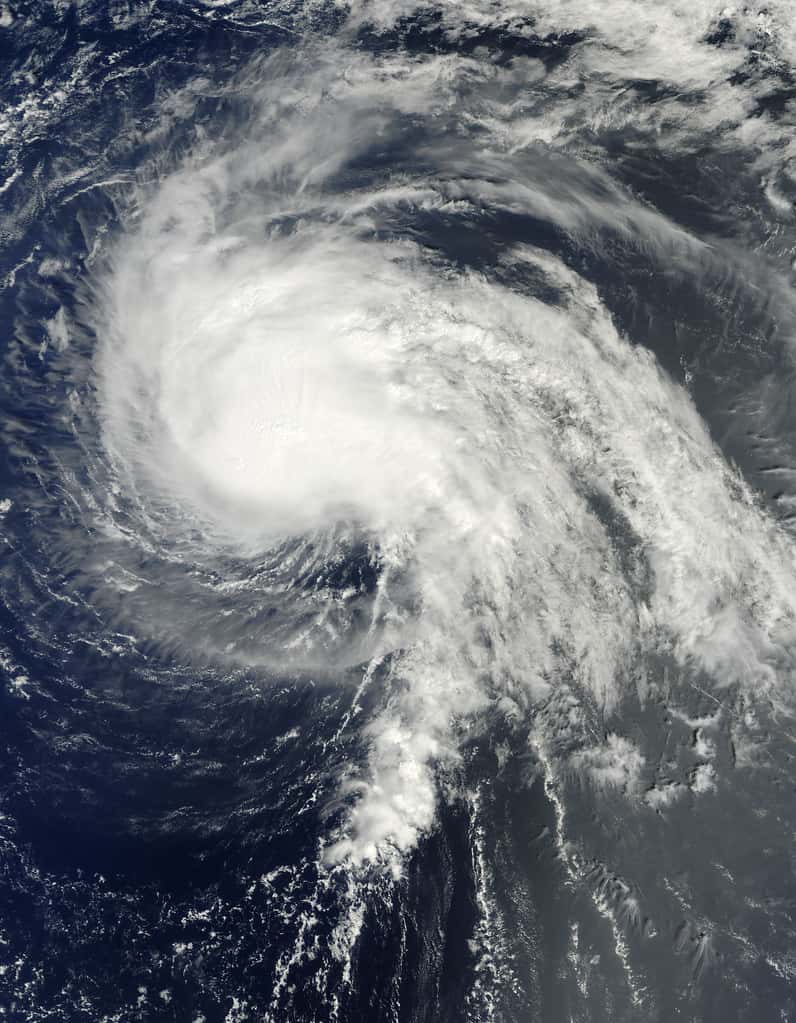
Governor Ron DeSantis has declared September as Florida Preparedness Month, a designation that arrives during the climatological peak of the Atlantic hurricane season and at a moment when the tropics are unusually quiet. The National Hurricane Center's outlook indicated early this week that tropical cyclone formation was not expected over the following seven days across the North Atlantic, the Caribbean Sea and the Gulf.
The 2026 season has produced two named tropical storms to date, Arthur and Bertha, and no hurricanes. NOAA has maintained its prediction of below-normal activity, forecasting 7 to 13 named storms, of which 2 to 6 could become hurricanes, including 0 to 2 major hurricanes, and assigning a 75 percent chance of a below-normal season.
Emergency management officials consistently caution that basin-wide activity totals have limited relevance to any individual household. A season with few storms that produces one Florida landfall is, for the affected community, a catastrophic season regardless of the statistics.
Why September matters most
The Atlantic hurricane season runs from June 1 through November 30, but activity is heavily concentrated in a narrower window. Climatological records place the statistical peak around September 10, with the period from mid-August through mid-October accounting for the substantial majority of major hurricane activity.
The reason is a convergence of favorable conditions. Sea surface temperatures reach their annual maximum in late summer, providing the thermal energy that fuels tropical systems. Wind shear, which disrupts storm structure, typically reaches seasonal lows. Tropical waves moving off the African coast are most frequent and best organized during this period.
Florida's own history reflects that concentration. Hurricanes Ian, Helene and Milton all affected the state during or after September in recent years, and the state's most damaging storms historically cluster in the late summer and early fall. That record is what makes a September preparedness designation more than symbolic.
What the state is asking residents to do
The preparedness campaign focuses on a small number of concrete actions. Residents are urged to identify their evacuation zone, which is determined by storm surge vulnerability rather than by distance from the coast, and which county emergency management offices publish through online lookup tools.
The second element is a written disaster plan covering where a household would go if evacuation is ordered, how family members would communicate if separated, and what arrangements exist for pets, medications and individuals with mobility or medical needs. Officials emphasize making those decisions before a storm is approaching rather than during the compressed timeline of an evacuation order.
The third is an emergency supply kit sufficient to sustain a household for several days without power or access to stores. Standard recommendations include water at one gallon per person per day, nonperishable food, medications, flashlights, batteries, a battery-powered or hand-crank radio, and copies of important documents stored in a waterproof container.
Understanding watches and warnings
The distinction between a hurricane watch and a hurricane warning is one that emergency managers repeat every season because it is consistently misunderstood. A watch means hurricane conditions are possible within the specified area, generally issued 48 hours in advance of the anticipated onset of tropical storm force winds.
A warning means hurricane conditions are expected, typically issued 36 hours in advance. The difference is between possible and expected, and it corresponds to different actions. A watch is the point at which preparations should be completed and evacuation decisions made. A warning means the window for those actions is closing.
Storm surge watches and warnings are issued separately from wind-based products, reflecting the recognition that surge is the deadliest hazard associated with landfalling tropical cyclones. Those products define the areas facing life-threatening inundation, and they are the basis on which evacuation orders are typically issued.
Evacuation zones are not the same as flood zones
A frequent source of confusion is the relationship between evacuation zones and flood insurance rate map designations. They serve different purposes and are drawn using different methodologies. Evacuation zones are based on modeled storm surge inundation and are lettered, typically A through E in Florida counties.
Flood zones, by contrast, are established by FEMA for insurance rating and floodplain management purposes and reflect a broader set of flood risks including rainfall and riverine flooding. A property outside a high-risk flood zone may still sit within an evacuation zone, and the reverse also occurs.
County evacuation orders are issued by zone rather than countywide, which is another recurring point of confusion. An order affecting Zone A in a county does not require residents in Zone C to leave, and officials emphasize that unnecessary evacuation adds to roadway congestion and complicates the departure of those genuinely at risk.
What a below-normal forecast does and does not mean
Seasonal forecasts predict basin-wide activity, not landfall probability at any particular location. The relationship between the two is weak, because whether a storm reaches land depends on steering patterns that cannot be forecast months in advance.
Florida's history includes destructive hurricanes during seasons that were quiet overall and quiet Florida seasons during years of high basin activity. Hurricane Andrew struck South Florida in 1992 during a season with relatively few storms, an example emergency managers cite regularly when discussing the limits of seasonal outlooks.
The practical guidance that follows is that preparedness decisions should not be adjusted based on a seasonal forecast. The supplies, plans and insurance coverage a household needs are determined by its vulnerability, not by the number of storms projected for the basin.
Insurance and the preparedness calendar
Property insurance is a preparedness matter with a specific timing constraint. Insurers impose binding restrictions once a storm is designated within a defined proximity to the state, meaning coverage generally cannot be purchased or increased after a system develops. Flood insurance through the National Flood Insurance Program carries a standard 30-day waiting period before a new policy takes effect.
Standard homeowners policies in Florida do not cover flood damage, a gap that surprises many residents after a storm. Storm surge is treated as flooding for insurance purposes, which means coverage for surge damage requires a separate flood policy regardless of how the water arrived.
Florida requires insurers to offer premium discounts for verified wind mitigation features, documented through an inspection process. Those features include roof covering and deck attachment, secondary water resistance, roof-to-wall connections and opening protection, and the discounts can be substantial for homes that qualify.
Special needs and vulnerable populations
Florida counties maintain special needs registries for residents who require assistance evacuating or who depend on electrically powered medical equipment. Registration is voluntary and is handled through county emergency management offices, and officials encourage sign-up well before a storm threatens.
Residents dependent on oxygen concentrators, dialysis, refrigerated medications or powered mobility equipment face particular risk during extended outages. Preparedness guidance for those households includes identifying backup power options, arranging alternative treatment locations and coordinating with providers in advance.
Pet owners face their own planning requirement, since not all shelters accept animals. Counties designate pet-friendly shelters, and those locations are published alongside general shelter information. Boarding facilities and veterinary offices frequently reach capacity quickly once a storm is forecast.
The mitigation investment behind the season
Preparedness at the household level operates alongside longer-term public investment in resilience. FEMA recently approved $317 million in post-disaster funding for Florida projects, including roughly $167 million through the Hazard Mitigation Grant Program for work designed to reduce future storm and flood damage.
Those projects include home elevations, property acquisitions, hospital hardening and improvements to wastewater infrastructure. They operate on multi-year timelines and will not affect outcomes during the current season, but they reduce the state's cumulative vulnerability over time.
Florida's building code, strengthened substantially after Hurricane Andrew, remains the largest single contributor to reduced wind damage in newer construction. Post-storm assessments have repeatedly documented performance differences between structures built to modern standards and older neighbors.
The quiet season so far
Two named storms and no hurricanes through the first week of September represents notably low activity by historical standards. An average Atlantic season would typically have produced several more named systems and at least one or two hurricanes by this point in the calendar, which places 2026 well toward the inactive end of the distribution.
The factors that suppress activity in a given season generally include elevated wind shear across the main development region, cooler than normal sea surface temperatures, dry air intrusions from the Saharan Air Layer, and larger scale climate patterns that influence atmospheric circulation across the basin. NOAA's seasonal outlooks incorporate assessments of these variables, and the agency maintained its below-normal call through its updated August assessment.
Quiet seasons carry a documented behavioral risk that emergency managers watch for. Public attentiveness to preparedness messaging declines when no storms have threatened, and complacency accumulates across consecutive quiet years. That dynamic is part of why the state schedules a formal preparedness campaign during the peak weeks regardless of what the basin is doing.
Power outages and utility restoration
Extended loss of electrical service is the consequence of a hurricane that affects the largest number of Florida households, typically far exceeding the number who experience structural damage. Restoration proceeds through a sequence that utilities follow consistently: transmission infrastructure first, then substations, then circuits serving critical facilities such as hospitals and water treatment plants, then the distribution lines that serve neighborhoods.
That sequence explains why two households on the same street can have service restored days apart, and why a home near a hospital may recover power quickly while a larger subdivision waits. Utilities publish estimated restoration times once damage assessment is complete, which itself can take days after a significant storm.
Florida utilities have invested substantially in hardening over the past two decades, including placing distribution lines underground in selected areas, replacing wooden poles with concrete or steel, and deploying automated switching equipment that isolates faults and restores service to unaffected segments. Those measures have measurably reduced outage duration in recent storms compared with earlier events.
Federal figures show how much of Florida's outage exposure comes from storms rather than everyday failures. Florida customers averaged 22 hours without power in 2024, the year Hurricanes Helene and Milton struck, but only about an hour from everything other than major events, the seventh-lowest figure among the 50 states and the District of Columbia, according to U.S. Energy Information Administration data. SolarGenReview's state-by-state power outage tracker ranks every state on the same measures and on their averages since 2014.
What's next
The peak of the season extends through mid-October, and conditions in the basin can change within days. The National Hurricane Center issues tropical weather outlooks multiple times daily during the season and expands to full advisory products once a system develops.
Residents can track conditions through the National Hurricane Center, through National Weather Service forecast offices serving Miami, Tampa Bay, Jacksonville, Melbourne, Tallahassee and Key West, and through county emergency management channels that issue local guidance including evacuation orders.
The Florida Press will continue covering the 2026 hurricane season, including tropical development, advisories affecting Florida and county-level guidance if a system threatens the state.
Spotted an issue with this article?
Have something to say about this story?
Write us a letterComments
No comments yet. Be the first to weigh in.
Related Coverage

Storm-Force Low Off Southeast Coast Has 40% Chance to Turn Subtropical as Florida Coast Faces Tidal Flooding, Rough Surf
2d ago
Strong fall cold front brings Florida Saturday rain, cooler air and dangerous surf this weekend
5d ago
Hurricane Center Gives Atlantic Low Near Cabo Verde a 20% Chance as Florida Gets a Break After Isaias
Oct 12

Tallahassee and the Big Bend Escape Isaias' Worst, With Downed Trees, Brief Outages and Rising Rivers to Watch
Oct 9