Florida Moves to Let Pharmacists Give the Chikungunya Vaccine as Miami-Dade Drives Case Count
The Florida Department of Health has proposed a rule that would allow licensed pharmacists to administer the vaccine against chikungunya, a mosquito-borne virus that causes fever and joint pain severe enough to leave some patients with symptoms for months. The proposal would add chikungunya to the list of immunizations Florida pharmacists can give directly, expanding the number of places a resident could get the shot without a physician visit.
The timing reflects a case count that has grown large enough to draw state attention. Florida has reported 189 chikungunya cases so far in 2026, and Miami-Dade County alone accounts for 120 of them. That concentration in one county, in a region where the mosquito species capable of transmitting the virus is well established, is the specific pattern public health officials watch most closely.
For Floridians, the practical stakes are about access. Pharmacy-administered vaccines have consistently reached more people than clinic-only models, particularly among working adults and travelers who need a shot on short notice. Whether that translates into meaningful protection here depends on how many of Florida's cases are acquired abroad and how many are acquired at home.
What chikungunya does
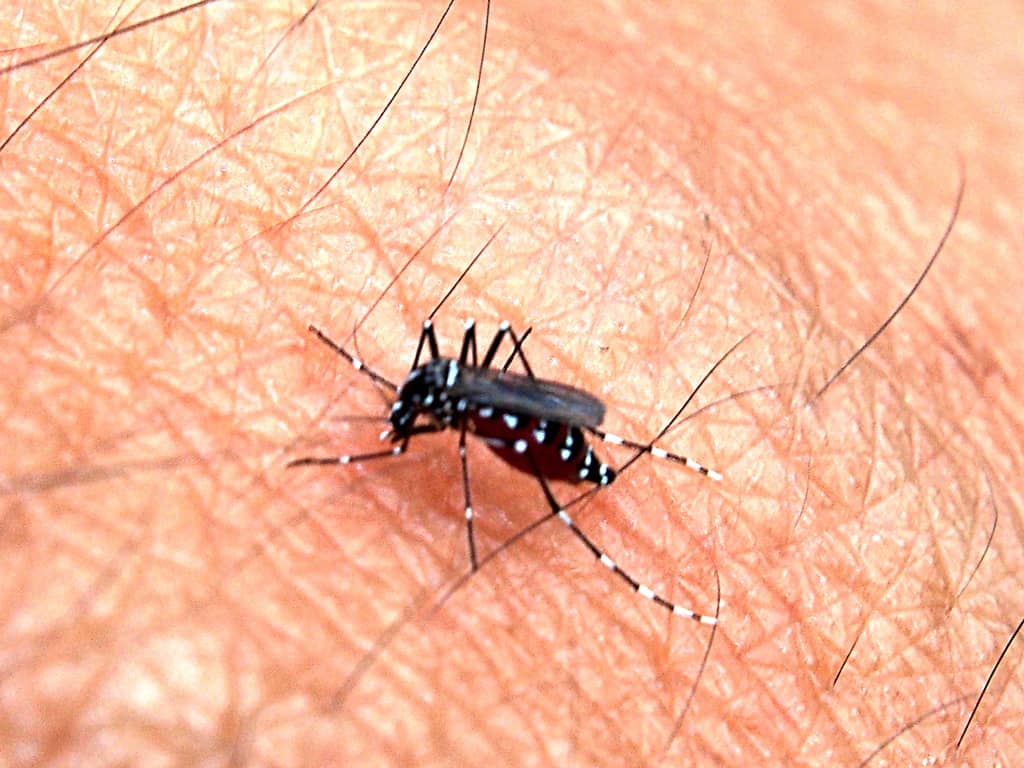
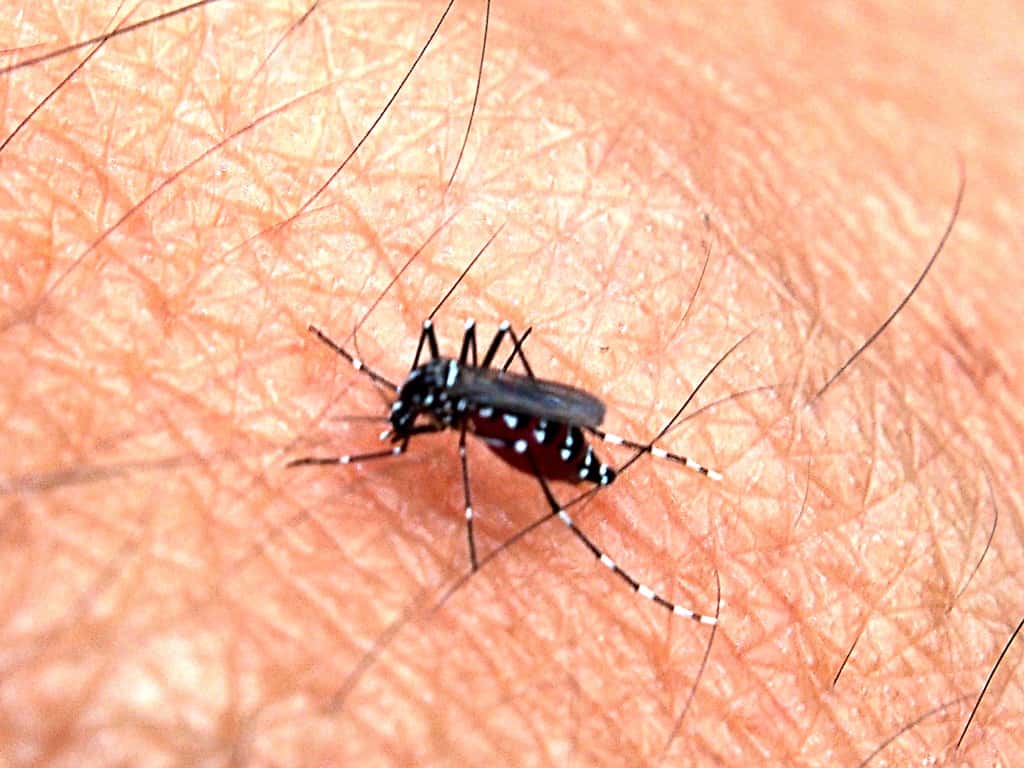
Chikungunya is a viral illness spread by the bite of infected mosquitoes, primarily Aedes aegypti and Aedes albopictus. Both species are present across large parts of Florida. Aedes aegypti in particular is a container breeder that thrives in and around houses, using bottle caps, plant saucers, tarps, and clogged gutters as nurseries, which makes it difficult to control through area-wide spraying alone.
The acute illness typically begins with abrupt fever and intense joint pain, often in the hands, wrists, ankles, and knees. Headache, muscle pain, rash, and swelling around the joints are common. The name itself derives from a word describing a stooped posture, a reference to how sharply the joint pain can affect movement during the acute phase.
Most people recover within a week or two. The feature that distinguishes chikungunya from other tropical arboviruses is the tail: a meaningful share of patients develop joint pain that persists for months, and in some cases longer. That chronic arthritic component is what makes the disease a significant source of lost work time in places where outbreaks take hold, and it is a large part of the argument for vaccination rather than treating the illness as a short inconvenience.
The Miami-Dade concentration
That 120 of Florida's 189 reported cases this year came from Miami-Dade is the number that matters most for interpreting the state's situation. Miami-Dade is Florida's most populous county, its largest international travel hub, and home to dense neighborhoods with abundant Aedes aegypti habitat. Each of those factors independently raises the expected case count.
The distinction public health officials draw is between travel-associated and locally acquired cases. A travel-associated case is a resident who was infected elsewhere and diagnosed after returning. A locally acquired case means a mosquito in Florida bit an infected person and then transmitted the virus to someone else here, which indicates the virus is circulating in the local mosquito population. The public health response to the two is different in kind, not just degree.
South Florida has handled this problem before with related viruses. Miami-Dade's response to local dengue and Zika transmission in previous years combined intensive source reduction, targeted larviciding and adult mosquito control in specific blocks, door-to-door inspections, and messaging in multiple languages. County mosquito control districts in Miami-Dade, Broward, and Palm Beach counties maintain surveillance trapping programs designed to detect exactly this kind of shift.
Why the pharmacist rule matters
Under current Florida practice, pharmacists administer a defined list of vaccines. Adding chikungunya to that list would mean a resident could walk into a community pharmacy and receive the vaccine, rather than scheduling a visit at a physician's office or a travel medicine clinic. Travel clinics are relatively scarce and concentrated in larger metropolitan areas, and appointments can take weeks.
That access gap matters for a travel-driven disease. A Florida resident booking a trip to a region where chikungunya circulates often makes travel plans on a timeline shorter than the wait for a specialty clinic appointment. Pharmacies, by contrast, are distributed through nearly every community in the state and already function as the default vaccination point for influenza and other routine immunizations.
The rule is a proposal at this stage, which means it moves through Florida's administrative rulemaking process. That process includes publication, an opportunity for public comment, and potential hearings before a rule takes effect. Interested parties including pharmacy organizations, physician groups, and public health advocates typically weigh in during that window, and rules are sometimes revised in response.
Prevention still starts at home
Vaccination is one layer. The other, and the one that applies to every Floridian regardless of vaccination status, is reducing the mosquito population around the house. Because Aedes aegypti breeds in small artificial containers close to human dwellings, most of the productive habitat in a Florida neighborhood is in residents' own yards rather than in marshes or ditches.
Standard guidance from Florida mosquito control agencies centers on a weekly walk around the property:
- Dump and scrub anything holding water, including plant saucers, buckets, pet bowls, tarps, and toys
- Clear gutters and check that they drain fully
- Change birdbath and outdoor pet water every few days
- Cover, drain, or treat rain barrels and unused pools
- Check for water trapped in bromeliads and other plants that hold water in leaf axils
Personal protection measures are the second layer. Repellents registered with the Environmental Protection Agency, long sleeves and long pants in the periods when these mosquitoes are most active, and intact window and door screens all reduce bite risk. Aedes aegypti tends to bite during daylight hours, which makes it a different behavioral problem than the dusk-active species many people associate with mosquito bites.
The wider vaccine context in Florida
The chikungunya proposal arrives while the Florida Department of Health is engaged in a separate and more contested vaccine policy fight. The department has advanced a plan to eliminate four school-entry vaccine requirements, covering chickenpox, hepatitis B, haemophilus influenzae type b, and pneumococcal disease. The comment period on that plan closed in mid-September, and physician organizations and cancer advocacy groups have publicly opposed it.
The two initiatives point in different directions, which has drawn notice among clinicians. One expands where a vaccine can be obtained, and the other narrows which vaccines are required for school attendance. The department's framing has consistently distinguished between availability and mandate, treating the first as a matter of access and the second as a matter of parental decision-making.
Separately, flu vaccination campaigns are gearing up for the season. A University of Florida program is bringing free influenza vaccine to Alachua County schools, and a statewide school-based flu vaccination effort is scheduled to run from late September through the first half of November. Respiratory season and late mosquito season overlap in Florida in a way they do not in most states.
How Florida tracks and reports cases
Florida's arbovirus surveillance runs through the Department of Health in coordination with county health departments and local mosquito control districts. Reportable diseases move up from clinicians and laboratories to county health departments, which forward confirmed results to the state. The department publishes periodic surveillance summaries that break activity down by county and by disease.
That reporting structure means the published case count always lags real transmission somewhat. A patient has to seek care, a clinician has to suspect an arbovirus rather than a nonspecific viral illness, a specimen has to be collected and tested, and the result has to be confirmed and reported. For a disease whose acute phase can resemble dengue or influenza, the share of infections that are never tested is not trivial.
For that reason, mosquito control agencies do not rely on human case counts alone. Surveillance traps placed throughout a county generate data on which species are present, in what numbers, and in which neighborhoods. Some programs also test trapped mosquitoes directly. That entomological data is what tells a district whether its habitat reduction work in a given area is having an effect, weeks before a change would show up in human case reports.
Who should consider the vaccine
Chikungunya vaccination is generally oriented toward people with meaningful exposure risk rather than the entire population. That category includes travelers heading to regions with ongoing transmission, and it can extend to residents of areas experiencing local transmission. Decisions about who should receive it, and at what age, follow federal recommendations and a clinician's assessment of the individual patient.
Age and underlying health conditions factor into that assessment. Older adults and people with certain chronic conditions face a higher risk of severe illness or a prolonged course, which shifts the balance toward vaccination for them. Conversely, some vaccine products carry recommendations against use in specific groups, which is precisely the kind of screening a pharmacist administering the vaccine would need to perform.
Anyone weighing the vaccine should raise it with a health care provider rather than relying on general guidance, including their travel plans, age, pregnancy status, immune status, and medications. That conversation is the same one that would need to happen at a pharmacy counter if the proposed rule takes effect, and it is the reason vaccine expansion rules typically specify training and protocol requirements for the pharmacists involved.
What's next
The immediate milestone is the rulemaking process itself. Until the rule is finalized, pharmacists cannot administer the chikungunya vaccine in Florida, and residents who want it must go through a physician or travel clinic. The department's published rule notices are the authoritative source for where the proposal stands.
Case surveillance will continue through the fall. Florida's mosquito season extends well past the point where northern states see transmission stop, and South Florida in particular can support Aedes activity nearly year round. The number worth watching is not the statewide total but the split between travel-associated and locally acquired cases in Miami-Dade and its neighboring counties.
Residents who develop sudden fever with severe joint pain, particularly after travel to a region where chikungunya circulates, should contact a health care provider and mention the travel history. Diagnosis requires laboratory testing, and early identification of a case matters to mosquito control agencies deciding where to concentrate their response.
Spotted an issue with this article?
Have something to say about this story?
Write a letter to the editor