Florida's Housing Market Shifts Toward Balance as Sales Rise and Inventory Tightens

Florida's housing market is settling into a more balanced rhythm after several years of dramatic swings, according to the latest available data on prices, sales, and inventory. Recent figures show home prices up modestly year over year, sales activity climbing, and the number of homes for sale shrinking, a combination that suggests a market neither overheating nor stalling.
For buyers and sellers who lived through the pandemic-era frenzy and the subsequent cooling, the current environment represents something closer to normal. Prices are still rising, but at a measured pace, and the balance between supply and demand appears to be stabilizing even as mortgage rates remain elevated. The picture varies by region, but the statewide trend points toward equilibrium.
What the numbers show
Recent data put the median Florida home price up modestly compared with a year earlier, with figures in the range of roughly $395,000 to $425,000 depending on the source and the specific measure used. The variation reflects differences in methodology, such as whether the figure covers single-family homes alone or a broader mix of property types.
Sales activity has been a bright spot. The number of homes sold rose sharply year over year in the most recent monthly data, a notable increase that signals continued demand despite higher borrowing costs. More closed transactions suggest buyers are adapting to the rate environment rather than sitting on the sidelines indefinitely.
Inventory, meanwhile, has tightened. The number of homes for sale fell compared with a year earlier, and newly listed homes also declined modestly. A shrinking supply of available homes tends to support prices, which helps explain why values continue to edge higher even as the broader market cools from its earlier extremes.
A more balanced market
Economists have described the current moment as an inflection point, with the market moving toward a healthier balance between buyers and sellers. Several indicators support that framing. The share of homes selling above list price ticked up slightly, while the share of listings with price drops fell, suggesting sellers are having somewhat more success holding their asking prices.
The median number of days a home sits on the market has stretched compared with the frantic pace of a few years ago, giving buyers more time to consider options and negotiate. That extra breathing room is a hallmark of a more balanced market, a contrast with the era when homes routinely sold within days and bidding wars were common.
Taken together, these dynamics paint a picture of a market that has largely worked through its post-pandemic distortions. Neither the runaway appreciation of the boom nor the sharp correction some feared has materialized; instead, Florida is seeing steady, moderate conditions.
The mortgage-rate backdrop
Hanging over the entire market is the cost of borrowing. Mortgage rates have remained elevated, hovering around the mid-6-percent range, a level that continues to weigh on affordability. The Federal Reserve's decision to hold its benchmark interest rate steady, amid inflation concerns tied in part to energy prices, has kept downward pressure on rates from materializing.
Forecasts suggest 30-year fixed mortgage rates are likely to stay near their current levels for the remainder of the year, meaning buyers should not count on a significant drop in financing costs anytime soon. That reality shapes purchasing power and helps explain why the market has cooled from its peak rather than reheating.
Still, the resilience of sales activity in the face of these rates is notable. It suggests that demand for Florida housing, driven by population growth, migration, and the state's enduring appeal, remains strong enough to sustain a healthy pace of transactions even when borrowing is expensive.
Regional differences
Florida is not a single housing market but many, and conditions vary considerably by region. South Florida, with its distinct dynamics around international demand, luxury properties, and constrained land, often behaves differently from Central Florida's growth corridors or the Gulf Coast markets around Tampa Bay, Sarasota, and Southwest Florida.
In South Florida specifically, sales rose year over year in the most recent data, consistent with the statewide trend of resilient activity. Each metro area carries its own supply constraints, price levels, and buyer profiles, so the statewide averages mask meaningful local variation that matters to anyone shopping in a specific area.
For buyers and sellers, the practical takeaway is to focus on local conditions rather than headline statewide numbers. A market that is balanced statewide can still feel tight in one neighborhood and soft in another, depending on inventory, price point, and demand.
What it means for buyers and sellers
For buyers, the current market offers a more forgiving environment than the recent past, with more time to shop, somewhat more negotiating room, and fewer bidding wars. The main obstacle remains financing costs, which continue to constrain how much house buyers can afford at a given price.
Sellers, for their part, are operating in a market where prices are still rising and inventory is limited, factors that work in their favor. But the days of naming a price and fielding instant offers have given way to a more deliberate process, with homes taking longer to sell and buyers exercising more caution.
Layered on top of these dynamics are Florida-specific costs, particularly property insurance, which has been a major factor in affordability. Recent rate relief at the state-backed insurer could ease one of the pressures on homeownership costs, though insurance remains a significant consideration for anyone buying in the state.
The migration engine
Underpinning Florida's housing demand is a sustained wave of migration that has drawn residents from other states for years. People move to Florida for its climate, its lack of a state income tax, its lifestyle, and its economic opportunities, and that steady inflow supports demand for housing even when borrowing costs are high.
The migration engine has been a defining feature of Florida's growth, reshaping communities and driving development across the state. While the pace of migration can fluctuate with economic conditions, the underlying appeal that draws newcomers remains strong, providing a durable foundation for the housing market over the long term.
This influx of residents helps explain the resilience of home sales despite elevated mortgage rates. Demand rooted in population growth is less sensitive to financing costs than demand driven purely by investment or speculation, giving Florida's market a measure of stability that markets dependent on other factors may lack.
The role of new construction
New construction is another important piece of the housing puzzle, as builders respond to demand by adding supply. The pace of homebuilding affects inventory levels and, over time, prices, making construction activity a key variable in the market's overall balance.
Florida has been among the more active states for new residential construction, with builders working to meet the demand generated by population growth. That activity helps ease supply constraints, though the pace of construction is itself affected by financing costs, labor availability, and material prices, all of which shape how quickly new homes come to market.
The interplay between new construction and existing-home inventory determines much about the market's dynamics. When construction keeps pace with demand, it helps moderate price growth and expand options for buyers. When it lags, supply tightens and prices face upward pressure, a dynamic that plays out differently across Florida's varied local markets.
Insurance and the cost of ownership
In Florida, the cost of homeownership extends well beyond the mortgage, and property insurance has been a defining factor in affordability. Years of rising premiums added significantly to the burden of owning a home, complicating the calculations for buyers already contending with elevated financing costs.
Recent rate relief at the state-backed insurer offers a measure of hope on this front, potentially easing one component of the cost of ownership even as mortgage rates remain high. For buyers weighing a purchase, insurance costs are an essential part of the equation, and any relief is meaningful.
The interplay between financing costs, insurance, taxes, and prices shapes the true affordability of a home in Florida. Understanding the full picture is essential for buyers, and the direction of insurance costs, alongside interest rates, will influence how accessible homeownership remains for residents across the state.
What's next
The near-term trajectory of the market hinges largely on mortgage rates and the broader economy. With the Fed holding rates steady and forecasts pointing to little movement, the current balanced conditions could persist through the rest of the year absent a significant economic shift.
Longer term, Florida's fundamentals continue to support housing demand: population growth, migration from other states, and the state's climate and lifestyle appeal. Those forces suggest the market is unlikely to see a sustained downturn, even as it moves past the volatility of recent years.
For now, the data tells a story of stabilization. Florida's housing market has cooled from its fever pitch into something steadier, offering a more navigable landscape for the buyers and sellers who make up one of the state's most closely watched economic engines.
Spotted an issue with this article?
Have something to say about this story?
Write us a letterComments
No comments yet. Be the first to weigh in.
Related Coverage
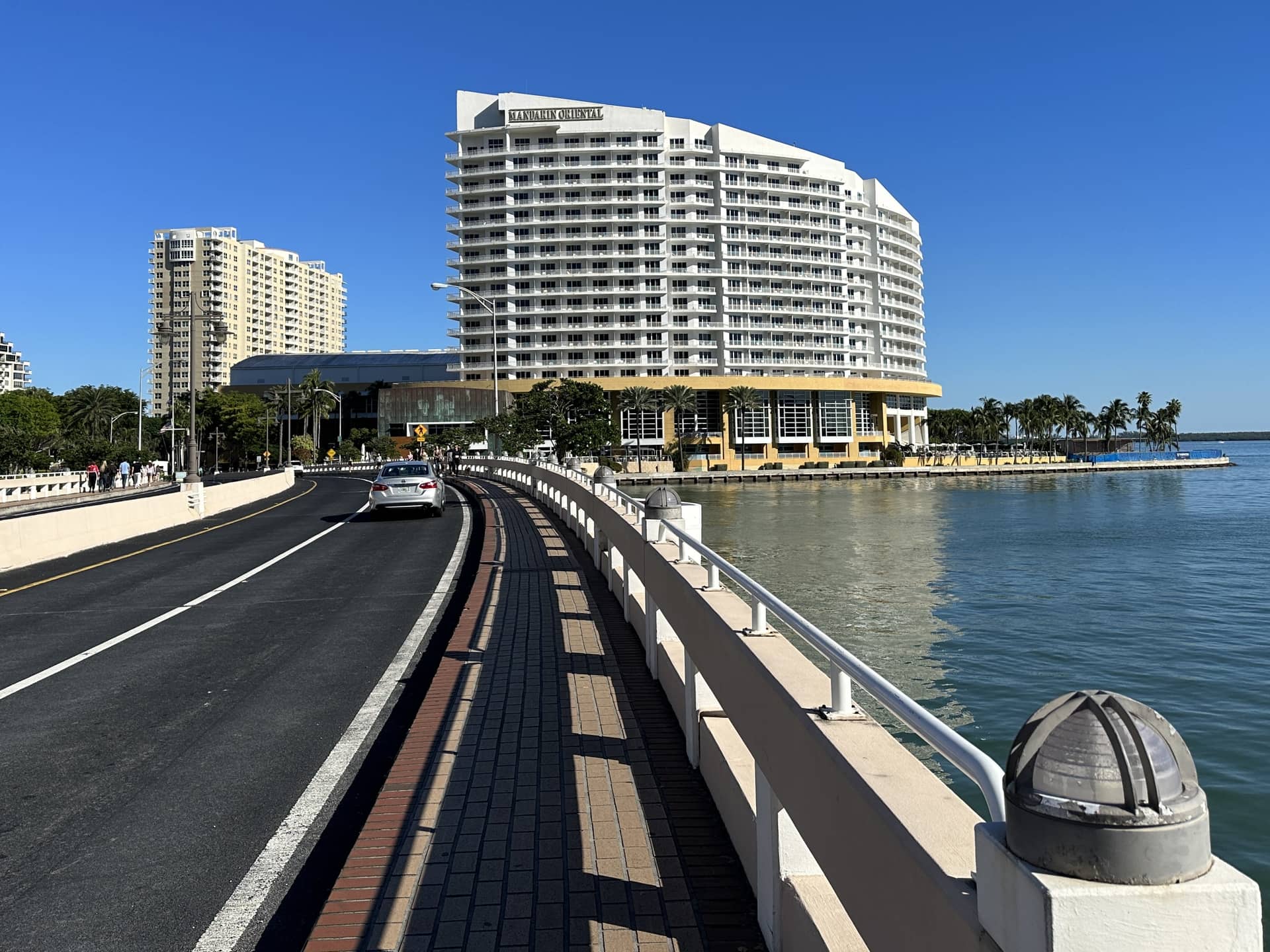
Swire Breaks Ground on Mandarin Oriental Towers on Brickell Key After Selling More Than $1.7 Billion in Condos
2h ago

Seminole Tribe Sues DraftKings and CEO Jason Robins in Broward, Calling Its Florida Prediction Markets an Illegal Sportsbook
2h ago
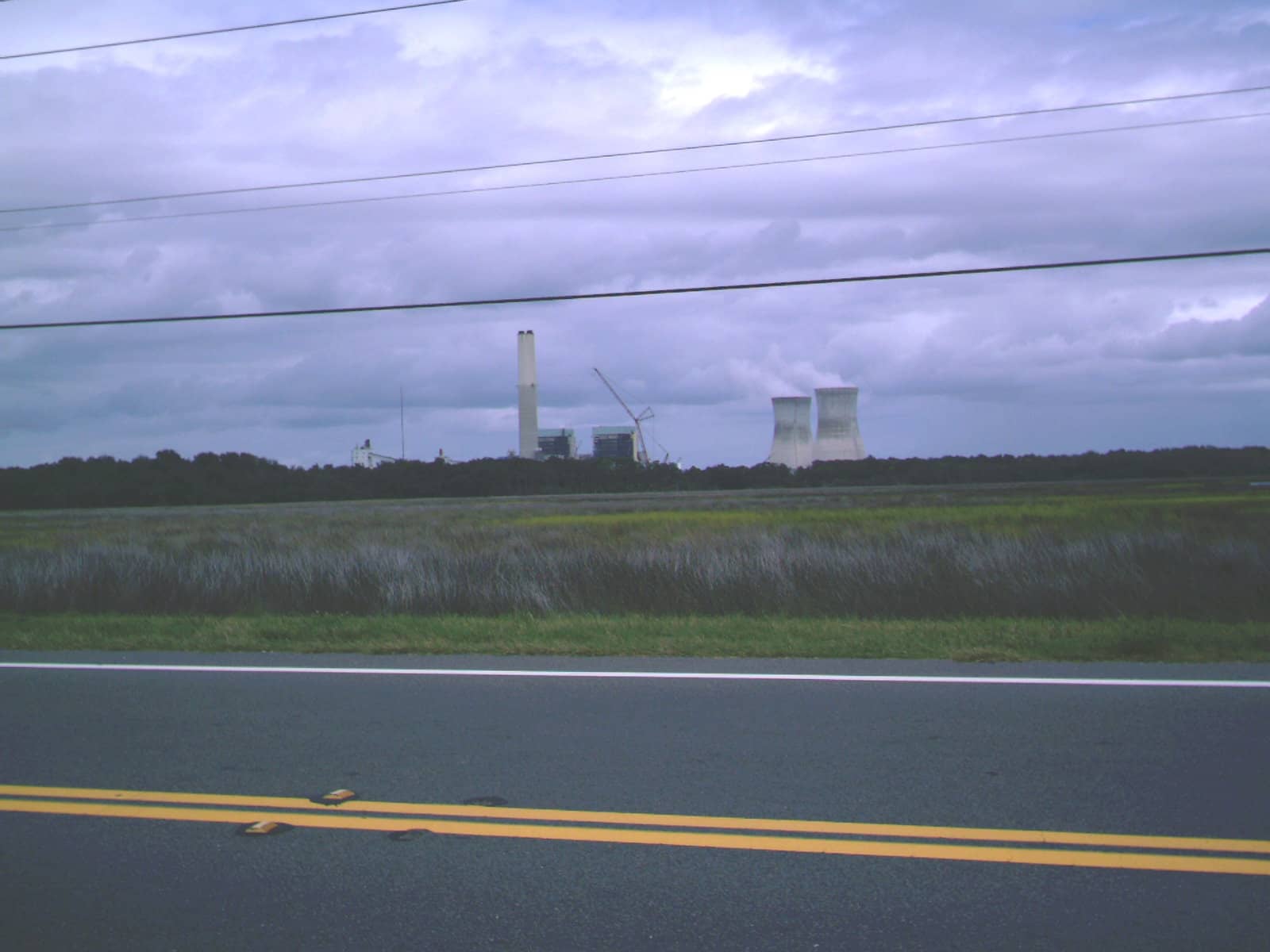
Jacksonville council members weigh relief for high JEA bills as utility says it isn't ready for a hyperscale data center
1d ago

Rays to open Westshore ballpark experience center in 2027 as Tampa stadium deal moves ahead
1d ago