FWC Investigates Spike in Florida Manatee Deaths Amid Water Quality Concerns
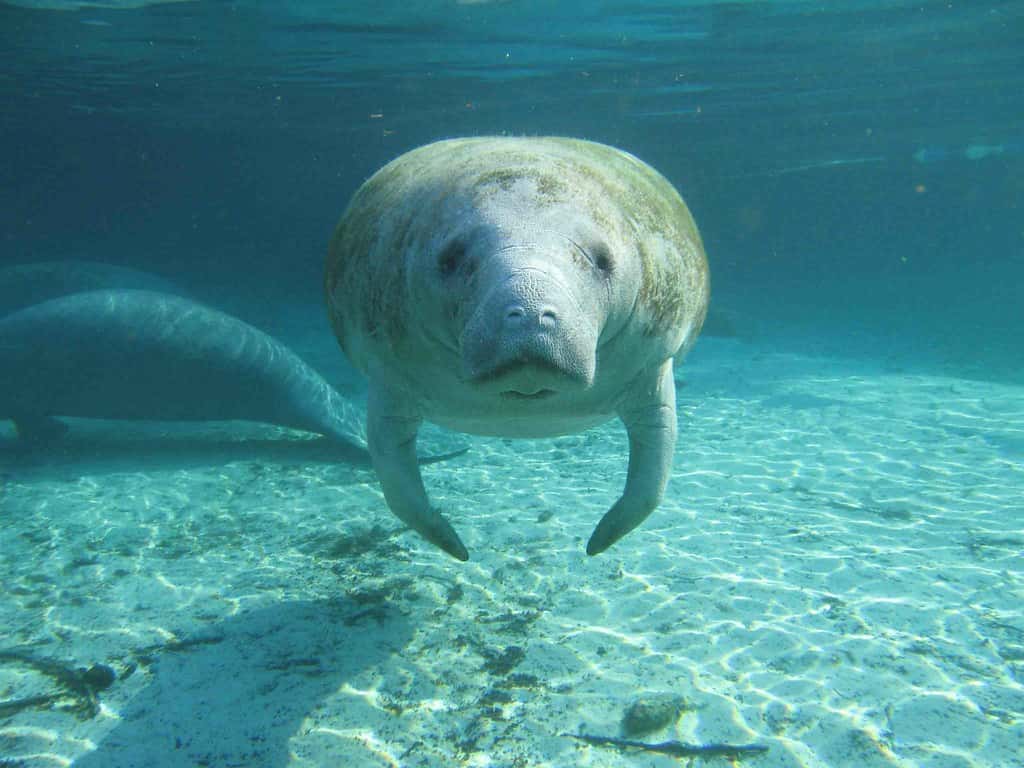
The Florida Fish and Wildlife Conservation Commission is investigating a recent spike in manatee deaths reported over the past week, in the middle of June 2026. Officials with the agency, known as the FWC, say the cluster of mortalities has drawn renewed attention to the persistent threats facing one of Florida's most beloved and vulnerable species, and they are working to determine the factors behind the uptick.
According to the FWC, the possible contributors to the recent deaths include cold stress, a lack of seagrass that serves as the animals' primary food source, and polluted waterways that degrade the habitats manatees depend on. Each of those factors has been implicated in past episodes of elevated manatee mortality, and disentangling their relative roles is part of what the agency's ongoing investigation aims to accomplish.
Manatees are classified as a threatened species and stand as one of Florida's enduring natural icons, drawing tourists to the state's springs and inspiring decades of conservation effort. The slow-moving marine mammals, often called sea cows, congregate in warm-water refuges during the cooler months and graze on aquatic vegetation in the state's coastal and inland waters. Their well-being has long been treated as a barometer for the health of Florida's aquatic ecosystems.
The Lee County Picture
Some of the most detailed recent figures come from Lee County, on Florida's southwest coast, where dozens of manatee deaths have been recorded in 2026. The FWC's accounting offers a window into the mix of causes behind the losses in that single county, illustrating how multiple pressures can converge on a local population over the course of a year.
In one tally cited by the agency, Lee County recorded 58 manatee deaths, with 49 of those occurring since early January. Of that total, about 12 were verified as cold stress cases and three were attributed to watercraft collisions. The remaining deaths fall into other or undetermined categories, underscoring how difficult it can be to pin down a single cause for every animal recovered.
The Lee County numbers reflect the seasonal nature of some manatee threats. Cold stress, which occurs when manatees are exposed to water temperatures too low for their physiology to tolerate, tends to cluster in the winter and early spring months. That a meaningful share of the county's verified deaths were tied to cold stress aligns with the timing of those losses since the start of the year, even as the recent June spike points to additional dynamics now under review.
It is worth noting that not every death recorded in the county fits neatly into a verified category. Of the 58 deaths in the Lee County tally, only a portion have been confirmed as cold stress or watercraft collisions, leaving a substantial number whose causes are undetermined or attributed to other factors. That uncertainty is typical of manatee mortality data, since carcasses are not always recovered in a condition that allows a definitive determination. The FWC's careful attribution of the figures reflects the provisional nature of mortality accounting and the agency's role in compiling and verifying these numbers over the course of the year.
Cold Stress and Its Toll
Cold stress is a recurring hazard for Florida manatees, which lack the heavy insulating blubber of many other marine mammals and rely instead on warm-water refuges to survive winter. When prolonged cold snaps drive water temperatures down, manatees can suffer a cascade of health problems that may ultimately prove fatal, even if the animals manage to reach sheltered waters.
The verified cold stress cases in Lee County this year are a reminder that even in a state known for its warmth, manatees remain acutely sensitive to temperature. The animals seek out natural springs and the warm-water discharges from certain industrial sites during cold weather, and disruptions to those refuges can leave them dangerously exposed. The FWC tracks these cases closely as part of its broader monitoring of manatee health.
While cold stress is a winter-centered threat, its effects can linger. Animals weakened by cold exposure may become more susceptible to other dangers, including disease and the secondary consequences of poor nutrition. That interplay between stressors is one reason the agency examines manatee deaths in the context of the full year rather than treating each cause in isolation.
Seagrass Loss and Water Quality
Beyond temperature, the health of Florida's seagrass beds looms large in any discussion of manatee survival. Seagrass is the foundation of the manatee's diet, and the loss of these underwater meadows can leave the animals undernourished and vulnerable. The FWC has pointed to a lack of seagrass as one of the possible factors in the recent spike in deaths now under investigation.
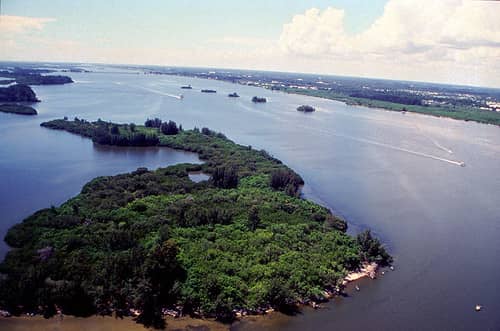
The most severe recent example of seagrass-driven mortality unfolded on Florida's east coast, in the Indian River Lagoon. There, dramatic seagrass loss tied to degraded water quality contributed to a record of roughly 1,100 manatee deaths in 2021, a toll so severe that it was recognized federally as an unusual mortality event. That episode reshaped public understanding of how closely manatee survival is bound to the condition of the state's waterways.
Polluted waterways sit at the root of much of this seagrass decline. Nutrient pollution can fuel algae blooms that block the sunlight seagrasses need to grow, killing off the beds and stripping manatees of their food. The FWC's inclusion of polluted waterways among the possible causes of the recent deaths reflects the tight link between water quality, seagrass health, and the fate of the species that grazes on it.
Seagrass restoration has accordingly become a central pillar of efforts to protect manatees over the long term. Replanting beds, reducing the nutrient runoff that triggers harmful algae blooms, and improving the overall quality of coastal and inland waters are all aimed at rebuilding the food base on which the animals depend. These efforts are slow by nature, since seagrass meadows can take years to recover once lost, and they require sustained attention from agencies, local governments, and communities along Florida's waterways. The condition of those beds is one of the clearest indicators of whether manatees will have enough to eat in the seasons ahead.
Watercraft and Other Human Pressures
Human activity adds another layer of risk for Florida manatees, and watercraft collisions remain a well-documented and visible cause of death. In the Lee County tally, three of the deaths were attributed to collisions with boats, a category of mortality that conservation measures have long sought to reduce through speed restrictions in areas where manatees are known to gather.
Watercraft-speed zones are among the primary tools used to protect manatees from boat strikes. By requiring boaters to slow down in manatee-heavy waters, these zones give the slow-moving animals a better chance to avoid oncoming vessels and reduce the severity of collisions when they do occur. The presence of even a small number of watercraft deaths in the Lee County data illustrates why such protections remain a fixture of manatee conservation policy.
The combination of watercraft strikes, cold stress, and habitat loss paints a picture of a species pressured from several directions at once. The FWC's role includes not only tallying these deaths but also informing the policies, from speed zones to water-quality efforts, that aim to ease the cumulative burden on the population. The recent spike adds urgency to that ongoing work.
Putting the Recent Spike in Context
While the recent rise in deaths has alarmed observers, the FWC has been careful to note that 2026 totals are not at the level of the 2021 record. That distinction matters, because it situates the current spike within a longer arc of manatee mortality rather than presenting it as an unprecedented catastrophe. The agency maintains preliminary mortality statistics throughout the year, revising and verifying figures as investigations proceed.
Because those statistics are preliminary, officials caution against fixating on any single precise statewide death total. Numbers can shift as causes are confirmed and as additional carcasses are recovered and examined. The responsible reading of the situation, as the FWC frames it, is to recognize a recent spike and to weigh the specific, verified figures from places like Lee County while attributing all of the data to the agency that compiles it.
What the spike means for conservation is the larger question now in focus. A cluster of deaths concentrated in a short window prompts scrutiny of whether environmental conditions, food availability, or other stressors have shifted in ways that warrant a response. The investigation underway is intended to clarify those questions and to inform whether additional protective measures are needed.
What's Next
The FWC's investigation into the recent spike will continue as the agency works to verify causes of death and refine its preliminary mortality counts. The outcome of that review could shape how officials prioritize the various threats facing manatees, from cold-water refuges to the condition of the seagrass beds that sustain the population.
Longer term, the trajectory of manatee survival in Florida hinges on the success of efforts to restore seagrass, improve water quality, and maintain protections such as watercraft-speed zones. The lessons of the 2021 unusual mortality event in the Indian River Lagoon continue to inform those efforts, serving as a stark reminder of how quickly habitat loss can translate into mass die-offs.
For now, the FWC is urging continued attention to the conditions that affect manatees and is positioning the recent spike as a prompt for vigilance rather than a singular crisis. As a threatened species and a symbol of Florida's natural heritage, the manatee remains a focal point for conservation, and the coming weeks of investigation will help determine what the latest losses mean for the animal's future in the state.
Spotted an issue with this article?
Have something to say about this story?
Write a letter to the editor