Marlins Lean on Young Core as Miami Battles Through the 2026 Grind
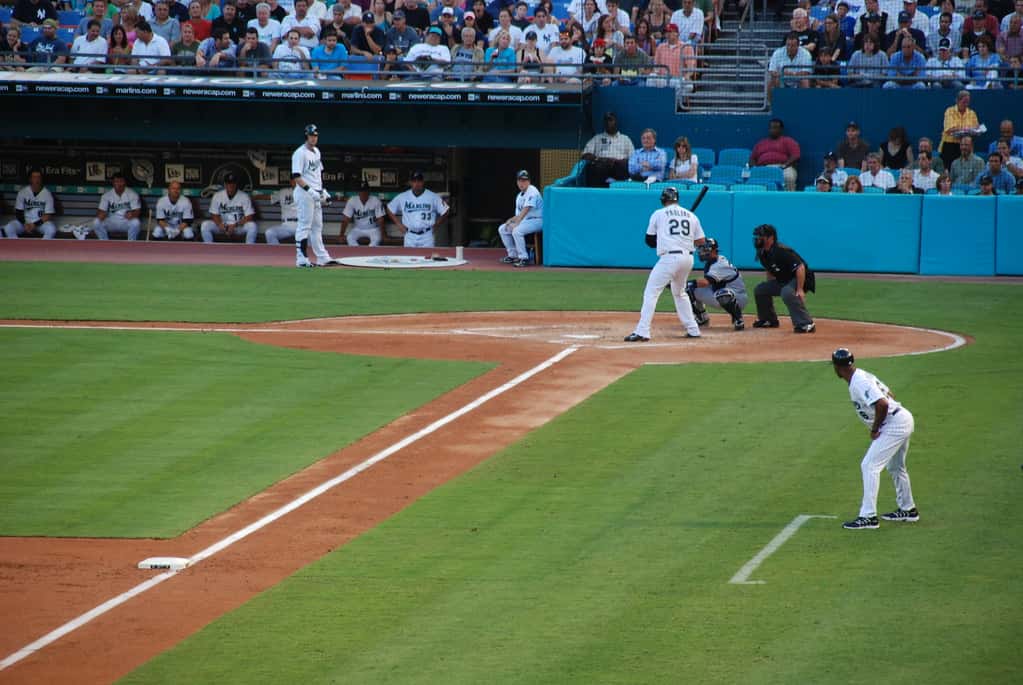
The Miami Marlins are pressing through the heart of the 2026 Major League Baseball season leaning heavily on a young, evolving roster, with emerging contributors stepping up to keep the club competitive. As the schedule reaches its midpoint, Miami's mix of developing talent and opportunistic play has produced its share of memorable moments, including hard-fought games against in-state rival Tampa Bay earlier in the summer.
For a franchise that has often operated with one of the sport's lower payrolls, the path forward runs through player development and the gradual maturation of a young core. The 2026 season offers a window into whether the Marlins' building blocks can grow into a sustained contender in the competitive National League.
A young roster takes shape
The Marlins have built their roster around younger players who are gaining experience and carving out roles at the major-league level. That approach reflects the organization's emphasis on developing talent internally, a necessity for a club that does not spend at the level of the sport's wealthiest teams. The result is a team that can be inconsistent but also capable of flashes of real promise.
Young rosters tend to ride waves, with stretches of strong play interspersed with the growing pains that come with inexperience. For Miami, the challenge is to accelerate the development of its key players while staying competitive enough to keep games and the season meaningful. The progress of individual contributors will shape the franchise's trajectory beyond this year.
Games against familiar opponents have showcased the team's competitiveness. In an early-summer series against the Tampa Bay Rays, the Marlins traded results with their cross-state rival, including a one-run victory in which a young contributor delivered at the plate while another notched a career milestone. Those kinds of moments illustrate the upside within the roster.
Part of what makes a developing roster compelling to follow is the way roles shift from week to week. A young player who begins the season as a complementary piece can, with a strong stretch, work his way into a more central spot in the lineup or the pitching plan. That fluidity keeps opportunities open across the team, and it gives a number of players the chance to seize a larger role, which is one of the quiet benefits of building around youth rather than a fixed veteran core.
The Florida rivalry
The Marlins and Rays share the state of Florida, and their meetings carry an added layer of regional interest. Although the two teams play in different leagues and reside in different media markets, the in-state matchup gives baseball fans across Florida a reason to tune in when the clubs face off. The series earlier this summer reinforced that appeal.
For Miami, competing well against a Rays team that has surged to the top of its division is a useful measuring stick. Tampa Bay's success in the American League East sets a high bar, and the Marlins' ability to hang with their rival in head-to-head play offers a gauge of where Miami stands. Both organizations rely on similar models of development and efficiency, making their matchups a study in contrasts and parallels.
The rivalry also matters for the broader health of baseball in Florida, a state with two major-league franchises competing for fans amid a crowded sports landscape. Strong, competitive teams in both Miami and Tampa Bay help sustain interest in the sport across the region, particularly when young, exciting players are involved.
The Marlins model
Miami's approach mirrors that of many smaller-market clubs that prioritize scouting, player development, and roster flexibility over high-priced free agents. The strategy requires patience, since young players take time to develop, but it offers a sustainable path to contention when it works. The franchise's recent direction reflects a commitment to building from within.
The model carries inherent volatility. Relying on young players means accepting inconsistency, and the timeline for a rebuild or retool can stretch across multiple seasons. For fans, that can test patience, but it also provides the reward of watching homegrown talent develop and the potential for a competitive window to open as the core matures.
The Marlins' long-term success will depend on how many of their young players develop into reliable contributors and whether the organization can supplement that core effectively. The 2026 season serves as an important developmental stage, with the performance of key players offering clues about the team's future.
Clubs that succeed with this strategy tend to do so by stacking promising players close together in age, so that several reach their primes at the same time and create a window when the roster is both talented and affordable. The risk is that development is rarely linear, and not every prospect pans out on schedule. Managing that uncertainty, deciding when to be patient and when to act, is at the heart of the work facing the front office as it tries to time the team's rise.
The season outlook
The shape of the rest of the 2026 season will be defined less by any single game than by the cumulative progress of the roster's young players. A team in this stage of its build measures success in development as much as in the standings, and stretches that might frustrate fans of a win-now club can still be valuable if they harden inexperienced players for the future. The grind of the schedule, with its travel and daily demands, is itself part of that education.
What Miami will be watching for in the months ahead is consistency, the trait that most often separates a promising young player from an established one. Flashes of talent come naturally to gifted athletes; sustaining that level night after night is the harder skill, and it is the one the Marlins most need their core to acquire. The degree to which that happens over the back half of the season will color the outlook heading into the offseason and beyond.
The roster and team context
A roster built on youth tends to be defined as much by who is arriving as by who is established. The Marlins' depth chart features players at varying stages of their development, some still finding their footing at the major-league level and others beginning to settle into steadier roles. That blend creates a team whose composition can shift over the course of a season as players earn opportunities or work through the adjustments that the highest level of the sport demands.
Building this way also places a premium on the support structures around the players. Coaching, instruction, and the day-to-day environment all shape how quickly young talent matures, and organizations that excel at development invest heavily in those areas. For the Marlins, the unglamorous work of teaching and refining the skills of inexperienced players is as central to the project as anything that shows up in a box score, and its effects accumulate gradually rather than all at once.
There is also a competitive logic to leaning on youth beyond simple cost. Younger players carry upside that established veterans often do not, and a team that hits on enough of its developing talent can vault forward quickly once that group matures together. The Marlins are wagering that the experience their core is banking now, including the lessons learned in tight games against quality opponents, will compound into a more formidable team in the seasons ahead. The 2026 campaign is one chapter in that longer story.
What it means for Miami fans
For Marlins supporters, the 2026 season is as much about the future as the present. Watching young players grow into their roles provides a foundation for optimism, even when the standings reflect the ups and downs of a developing team. The flashes of strong play, including competitive games against the Rays, give fans glimpses of what the roster could become.
South Florida's sports scene is crowded, with the Dolphins, Heat, Panthers, and Inter Miami all competing for attention. A Marlins team built around exciting young talent can carve out its own following, particularly among fans who appreciate watching a roster develop. The key is sustaining enough competitiveness to keep the games engaging through the long season.
There is a distinct kind of loyalty that forms around a young team on the rise. Fans who invest early, before a core has fully arrived, often feel the deepest connection to the players when success eventually comes. For Marlins followers willing to embrace the developmental phase, the reward is the chance to watch a group grow up together and to share in the moments that suggest the wait could pay off.
The franchise's trajectory will become clearer as the season unfolds and as the young core gains experience. For now, fans can focus on the development of individual players and the moments of promise that suggest brighter days ahead for the organization.
What's next
The second half of the season will continue to test the Marlins' young roster against the grind of the major-league schedule. How the team's developing players respond to that challenge will shape both the remainder of 2026 and the outlook for seasons to come.
As the trade deadline approaches, the Marlins, like other clubs, will weigh whether to add, hold, or move pieces based on their position and long-term plans. Those decisions could influence the pace of the team's development and the shape of its roster heading into the future.
For now, Miami presses on with a young core gaining valuable experience. The season's remaining months will offer a fuller picture of how close the Marlins are to turning their developmental investments into sustained success on the field.
Spotted an issue with this article?
Have something to say about this story?
Write a letter to the editorComments
No comments yet. Be the first to weigh in.
Related Coverage
Rays Open the Postseason as the American League's Top Seed With a Bye and Home Field at Tropicana Field
9h ago

Jaguars Rout the Patriots 35-6 Behind Three Trevor Lawrence Touchdowns as Liam Coen Hits a Milestone
11h ago

UCF Beats TCU 21-13 in Orlando as Penalties and Turnovers Sink the Horned Frogs
1d ago

Sixth Ranked Miami Returns Home to Face Central Michigan Before the Schedule Turns
2d ago