Messi and Argentina Roll Into the Knockouts and a Miami Date at the World Cup
The defending World Cup champions are coming to South Florida. Argentina closed out the group stage of the 2026 FIFA World Cup with a 3-1 win over Jordan, securing first place in its group and setting up a round-of-32 clash at Miami's Hard Rock Stadium on July 3. For Lionel Messi, the Inter Miami captain who has made the region his home, the draw means a homecoming of sorts on the sport's biggest stage, in a tournament being co-hosted by the United States, Mexico, and Canada.
The convergence of player, place, and moment has given the fixture a significance that extends beyond the result on the field. A defending champion arriving in a city where its talisman lives and plays his club football is the kind of storyline that organizers could scarcely have scripted, and it has lent the South Florida leg of the tournament an outsized share of attention.
How Argentina booked its place
In the group finale against Jordan, Argentina built a comfortable lead through first-half goals before Messi, rested to start the match with the group already in hand, came off the bench to add a late strike. The veteran's goal, an 80th-minute free kick, extended a remarkable personal run and underscored that even in a reduced role he remains decisive.
With qualification already secured, Argentina's manager rotated heavily for the Jordan match, making numerous changes and giving squad players valuable minutes. The depth on display offered a reminder of why the South American side entered the tournament among the favorites, capable of winning even when its biggest star begins on the bench.
The result confirmed Argentina as group winners, a placement that shapes its path through the knockout bracket. Topping the group is a meaningful advantage, often yielding a more favorable matchup in the opening knockout round and positioning a team on a preferred side of the draw.
The decision to manage minutes also reflects a broader truth about tournament football: success over the course of a long competition depends not only on a starting eleven but on the squad as a whole. By trusting reserves in a match that still carried seeding implications, Argentina signaled confidence in its bench and preserved the freshness of its most important players for the rounds that matter most.
Messi rewrites the record book
Messi's goal against Jordan was more than a footnote. The strike continued a scoring streak across consecutive World Cup matches and pushed his all-time tournament tally to new heights, cementing his status as the leading men's goalscorer in World Cup history. At this stage of his career, every goal adds to a legacy already regarded as among the greatest the sport has produced.
For South Florida soccer fans, Messi's brilliance is familiar. Since joining Inter Miami, he has transformed the club and energized the region's soccer culture, drawing record crowds and elevating Major League Soccer's profile. Watching him perform for Argentina on a World Cup stage in Miami represents a convergence of his club and country narratives in the place he now calls home.
Messi's continued production also keeps Argentina's title defense firmly on track. A team built around an in-form, record-setting talisman is a daunting prospect for any opponent, and his ability to influence matches even in limited minutes gives his side a dimension few can match.
The longevity behind those numbers is part of what makes them remarkable. Sustaining elite production across multiple World Cups, a span that stretches across many years and several distinct eras of the game, requires a rare combination of skill, durability, and adaptability. Each goal Messi adds is therefore not just a tally but a marker of a career that has bridged generations of the sport.
The road to Miami
Argentina's reward for winning its group is a round-of-32 match against Cape Verde, scheduled for July 3 at Hard Rock Stadium in Miami Gardens. The fixture brings one of the tournament's marquee names to one of its premier American venues, promising a high-profile event for the region.
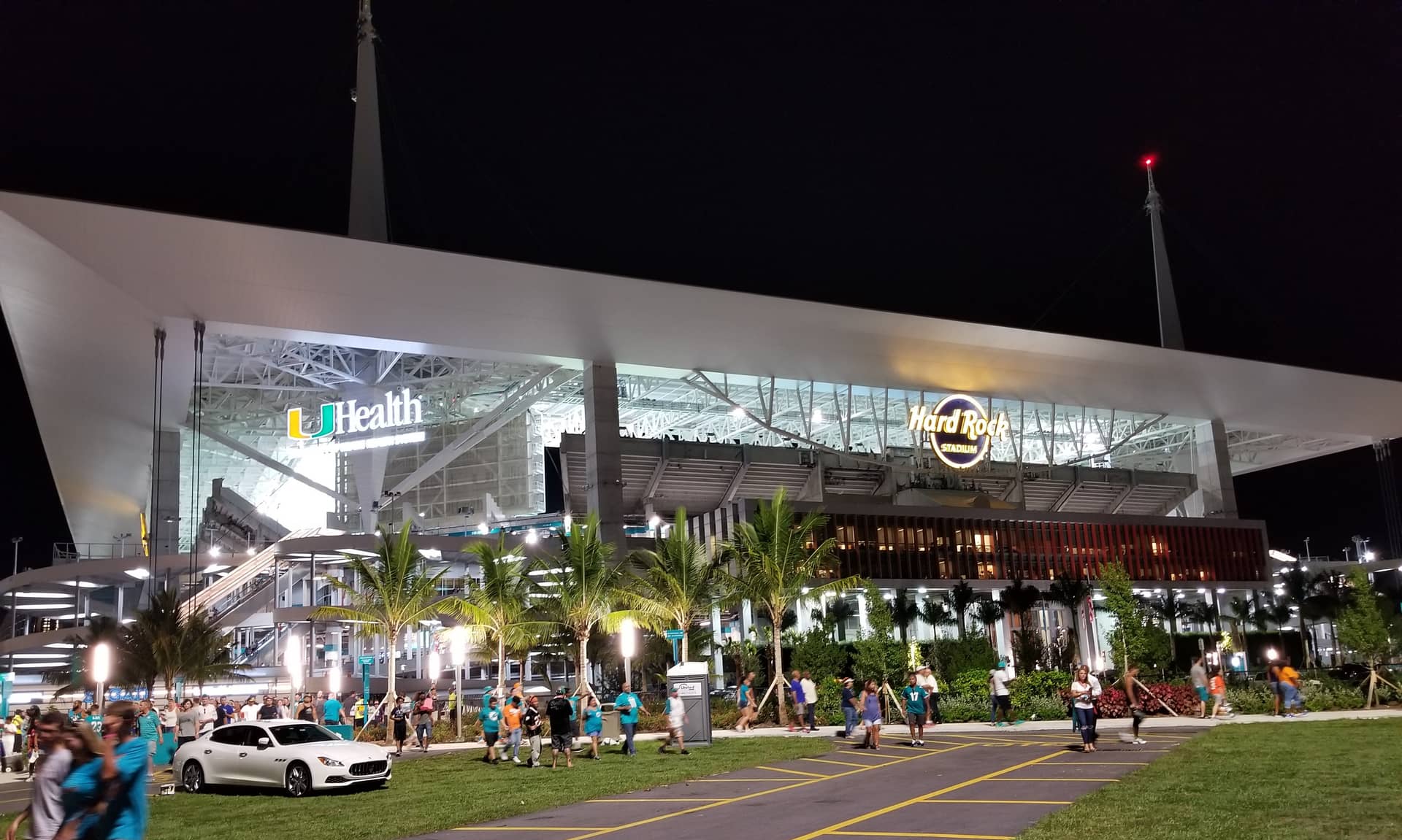
Hard Rock Stadium, home to the Miami Dolphins and a regular host of major sporting events, is one of the venues selected to stage World Cup matches across the United States. The stadium is slated to host several tournament fixtures, including group-stage games and high-stakes knockout matches, culminating in additional marquee dates later in the event.
For Miami, hosting a Messi-led Argentina in a knockout match is a showcase moment. The game is expected to draw an enormous, passionate crowd, with the region's large Argentine and broader South American communities sure to turn the stadium into a sea of support for the defending champions.
The matchup also illustrates the unpredictable charm of the World Cup's expanded knockout format. A storied power meeting an opponent making its mark on the global stage is precisely the kind of contrast the tournament thrives on, and it adds intrigue for neutral observers even as Argentina enters as a heavy favorite.
Background: a region primed for the moment
South Florida did not become a soccer stronghold overnight. The region's enthusiasm has been building for years, fueled by a population with deep roots across Latin America and a long-standing passion for the sport that long predated the arrival of any single star. The World Cup's stop in Miami arrives at the crest of that wave.
The growth of Major League Soccer in the area, and the surge of attention that accompanied Messi's move to Inter Miami, accelerated a transformation that was already underway. Stadiums filled, youth participation climbed, and the sport secured a firmer foothold in a market once dominated by other professional leagues. That groundwork helps explain why a World Cup knockout match in Miami feels less like a novelty and more like a natural fit.
For longtime supporters of the game in the region, the tournament represents validation. Communities that have followed national teams from afar for generations now have the chance to gather at a marquee venue and witness the sport's pinnacle in person, a milestone that reflects how far soccer's standing in South Florida has come.
What it means for South Florida
The World Cup's arrival in Miami is a significant event for a region that has embraced soccer like few others in the country. South Florida's diverse population, with deep ties to Latin America and beyond, gives the tournament a built-in fan base and a festive atmosphere that organizers and businesses are eager to harness.
The economic stakes are substantial. Hosting World Cup matches brings visitors, fills hotels and restaurants, and generates spending across the hospitality sector, delivering a boost to the local economy. Major sporting events also offer Miami a global stage, reinforcing its image as an international city and a destination for marquee competitions.
Beyond the economics, the tournament is a cultural celebration. For families and fans across the region, the chance to witness World Cup soccer in person, and to see a player of Messi's stature represent a defending champion in their backyard, is a once-in-a-generation experience that will resonate well beyond the final whistle.
The ripple effects extend to the city's identity. Hosting the world's most-watched sporting event places Miami alongside a select group of global destinations, and the images broadcast from a packed, vibrant stadium can shape perceptions of the region for years. For local leaders, that visibility is a return on the investment and planning required to stage matches of this magnitude.
The bigger tournament picture
The 2026 World Cup is the first to feature an expanded field and the first hosted across three nations, making it the largest in the event's history. The United States is staging the bulk of the matches, with venues spread across the country, and the tournament has brought the world's most popular sport to American audiences on an unprecedented scale.
Argentina's title defense is one of the central storylines, given the team's pedigree and Messi's presence in what is widely viewed as his final World Cup. A deep run by the defending champions, with the Miami connection adding local flavor, has captured attention throughout South Florida and beyond.
As the knockout rounds unfold, the margin for error vanishes. A single defeat ends a team's tournament, raising the drama with each passing round. For Argentina, the goal is clear: keep winning, keep advancing, and chase a successful defense of the sport's ultimate prize.
The expanded format also reshapes the rhythm of the competition, lengthening the path to the final and giving more teams, and more host cities, a stake in the latter stages. That broader footprint has spread the tournament's energy across the country, and a marquee venue like Hard Rock Stadium stands to benefit from its place on that map.
Analysis: the stakes of a title defense
Defending a World Cup is a notoriously difficult task. The weight of expectation, the target that comes with being champions, and the natural ebb and flow of squads over a tournament cycle all conspire against repeat success. That history makes Argentina's position both enviable and precarious, and it sharpens the focus on each knockout fixture.
Much of the analysis around the team centers on its balance between experience and renewal. A side anchored by a generational figure must still find contributions throughout the lineup, and the willingness to lean on the broader squad during the group stage may prove an asset as fatigue and tension mount in the rounds ahead. Managing that balance is among the chief tasks facing Argentina's staff.
For the Miami match specifically, the challenge is to avoid the complacency that can undo favorites in single-elimination football. Knockout play rewards focus and punishes lapses, and a defending champion will be wary of any opponent eager to seize the spotlight. How Argentina handles that pressure in a charged, home-feeling environment will offer an early read on its readiness for the deeper stages.
What's next
All eyes now turn to July 3, when Argentina faces Cape Verde in Miami with a place in the round of 16 on the line. A victory would keep the defending champions on course and likely send them deeper into the bracket, sustaining the excitement that has built around their campaign.
For South Florida fans, the match is a chance to be part of World Cup history on home soil. The combination of Messi, the defending champions, and a marquee venue ensures the occasion will be among the most memorable sporting events the region has hosted.
Whatever the outcome, the World Cup's presence in Miami marks a milestone for soccer in Florida, a sport whose popularity has surged in recent years and whose biggest stage has now arrived in one of its most enthusiastic American homes.
The days leading up to the match are likely to bring a swell of anticipation across the region, from neighborhood gatherings to packed viewing spots, as supporters prepare to channel their passion toward the defending champions. In a place where the sport has found a fervent and growing audience, the moment promises to linger long after the final whistle.
Spotted an issue with this article?
Have something to say about this story?
Write a letter to the editor