Mosquitoes and Measles: Florida Health Officials Track a Summer of Disease Risks
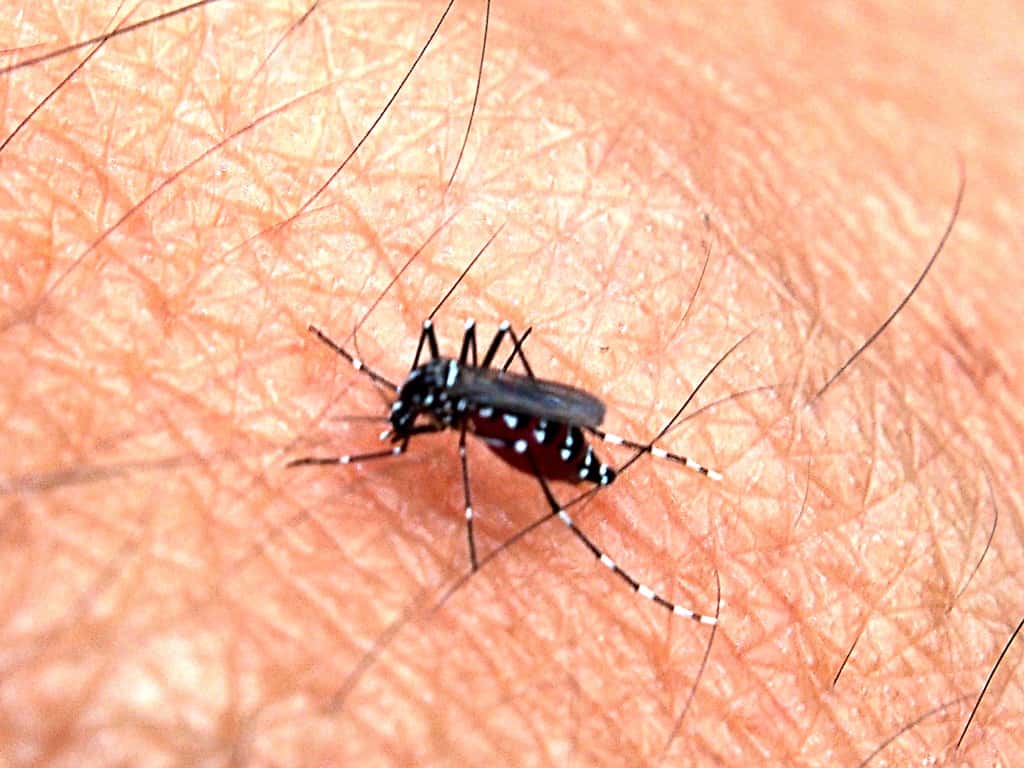
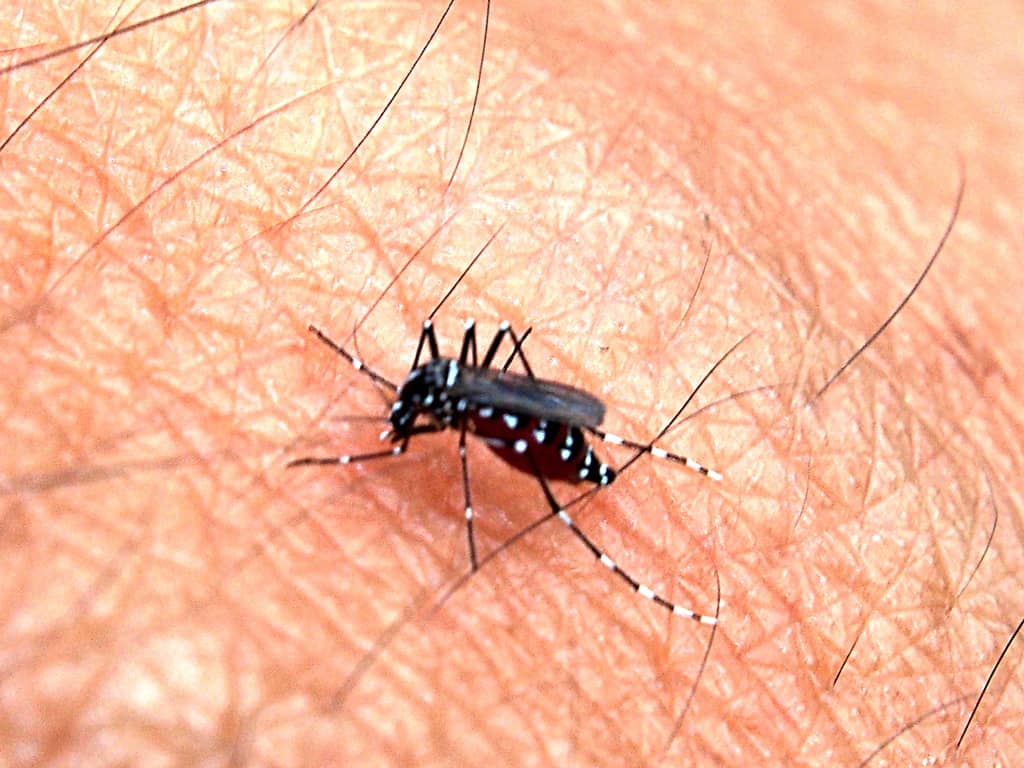
Florida health officials are watching two very different disease threats as the state moves into the heart of summer. In Miami-Dade County, officials have maintained an active mosquito-borne illness alert through June 2026, urging residents to step up personal protection as heat, humidity, and standing water create ideal breeding conditions for Aedes aegypti, the mosquito that is the primary vector for dengue. At the same time, the state is grappling with its highest single-year measles total in a quarter century.
The two stories share a common thread: both are infectious disease risks that public-health authorities say can be reduced through familiar, practical steps. For mosquitoes, that means draining standing water and using repellent. For measles, it means questions about vaccination that public-health officials and the U.S. Centers for Disease Control and Prevention have long emphasized. Together, they make for a summer in which Florida's health departments are tracking risk on multiple fronts.
The Florida Press is reporting these developments based on guidance from health officials, the CDC, and the Florida Department of Health. Nothing here is individual medical advice, and no patients are named. The aim is to relay what the authorities are saying and what residents can do in line with standard public-health guidance.
The Mosquito Alert in Miami-Dade
Miami-Dade County health officials have kept an active mosquito-borne illness alert in place through June 2026. The alert urges residents to intensify their personal protection against mosquito bites, reflecting concern that summer conditions in South Florida are especially favorable for the mosquitoes that spread diseases like dengue.
The reasoning is rooted in biology and climate. Heat and humidity speed up the mosquito life cycle, and standing water provides the breeding sites the insects need to multiply. Aedes aegypti, the primary dengue vector, is well adapted to urban and suburban environments, breeding in small containers of water that collect around homes and yards. South Florida's warm, wet summer is close to ideal for it.
An alert of this kind is a signal to residents to take the threat seriously and adjust their behavior, not a sign that an outbreak is necessarily underway. It calls for heightened personal protection, which combines reducing mosquito populations around the home with measures to avoid being bitten. Health officials issue these alerts precisely so that residents can act before transmission becomes more widespread.
Dengue on the Rise Nationally
The Miami-Dade alert comes against a backdrop of rising dengue activity across the country. CDC surveillance data show a roughly 359% rise in U.S. dengue activity compared with historical averages, with thousands of cases reported nationally. That sharp increase has put public-health agencies on alert in regions where the mosquitoes that carry the virus are present.
Florida's risk profile is particularly relevant. The state's locally acquired transmission risk is considered higher in 2026 than in most prior years. Locally acquired transmission means cases contracted from mosquitoes within the state, as opposed to infections picked up by travelers elsewhere. A higher local risk underscores why South Florida officials are emphasizing prevention now.
Dengue is spread by infected Aedes aegypti mosquitoes, and the same conditions that favor the mosquito favor the spread of the virus where it is circulating. The combination of a national surge and elevated local risk is the context that frames the Miami-Dade alert and the broader attention to mosquito control across the state this summer.
Public-health agencies generally respond to rising dengue activity with a mix of surveillance, mosquito control operations, and public education. The message to residents is consistent: reducing mosquito breeding and avoiding bites are the front-line defenses that individuals can control directly.
What Floridians Can Do About Mosquitoes
The standard public-health guidance for reducing mosquito-borne illness risk centers on two goals: eliminating the places mosquitoes breed and preventing bites. Both are within reach for most households and require no special equipment.
On the breeding side, the key is draining standing water. Aedes aegypti can breed in surprisingly small amounts of water, so officials advise emptying or removing items that collect it: flowerpot saucers, buckets, old tires, clogged gutters, birdbaths, and toys left outdoors. Tipping out and scrubbing containers regularly removes the eggs that may already be present. Doing this around the home cuts down the local mosquito population at its source.
To avoid bites, the guidance includes using insect repellent, wearing long sleeves and pants when practical, and making sure window and door screens are intact. Repellents registered for the purpose, applied according to their instructions, are the standard recommendation. Limiting time outdoors when mosquitoes are most active can also help, though Aedes aegypti is known to bite during daytime hours.
These steps are most effective when neighbors act together, since mosquitoes do not respect property lines. Community-wide attention to standing water amplifies the benefit of any single household's efforts, which is part of why county alerts call on all residents to participate.
Awareness of dengue symptoms is also part of the public-health message. Dengue can cause high fever, severe headache, pain behind the eyes, joint and muscle aches, and rash, though many infections produce milder or no symptoms. Health officials generally advise anyone who develops concerning symptoms, particularly after possible mosquito exposure, to contact a health care provider. As with all medical matters, individual care decisions belong with a provider, and the Florida Press is relaying only the general guidance that public-health authorities emphasize.
The Measles Picture in Florida
On the measles front, the numbers tell their own story. The Florida Department of Health reported 154 measles cases in the state this year through May 23, the highest single-year total in Florida in the last 25 years. That figure marks a notable departure from the low case counts the state has generally seen in recent decades.
Florida is not alone in confronting a difficult measles year. Per the CDC, Florida ranked fourth among states for 2026 measles infections, behind South Carolina, Utah, and Texas. The presence of multiple states with significant case counts points to a broader national picture rather than an issue isolated to Florida.
Measles is one of the most contagious infectious diseases, capable of spreading rapidly among people who are not protected against it. Because of that contagiousness, even relatively modest numbers of cases draw close attention from public-health officials, who monitor for clusters and work to limit further spread when cases appear.
The CDC has long emphasized vaccination as the primary tool for preventing measles. Residents with questions about their own or their children's vaccination status are advised to consult their health care providers or local health department, the appropriate sources for individual guidance. The Florida Press is not offering specific medical recommendations beyond noting this standard public-health framing.
Why Florida's Climate Raises the Stakes
Florida's environment plays a direct role in elevating mosquito-borne disease risk. The state's long, hot, and humid summers extend the period during which mosquitoes thrive, and frequent rain leaves behind the standing water they need to breed. These conditions give species like Aedes aegypti a longer and more productive season than they would have in cooler, drier climates.
The state's dense coastal and urban populations add another dimension. Aedes aegypti is well suited to living alongside people in developed areas, which means the mosquito and potential hosts are often in close proximity. That overlap is part of why South Florida officials focus so heavily on community participation in mosquito control.
These factors combine to make the summer months the period of peak concern for mosquito-borne illness in Florida. As the season progresses and conditions remain favorable for breeding, sustained attention to prevention becomes more important, which is the rationale behind keeping an alert active through the height of summer.
Two Threats, One Public-Health Effort
The simultaneous attention to dengue and measles illustrates the breadth of what Florida's public-health system tracks during the summer. The two diseases spread in entirely different ways, one through mosquitoes and the other person to person, yet both fall to the same network of state and county health agencies that monitor cases, respond to clusters, and communicate guidance to the public.
Surveillance is the common foundation. By collecting and analyzing case data, agencies like the CDC and the Florida Department of Health can spot rising trends, identify where risk is concentrated, and target their response. The 359% rise in national dengue activity and Florida's 154 measles cases through May 23 are both products of that surveillance, and they shape how officials direct attention and resources.
Communication is the other shared element. Whether the message is to drain standing water and use repellent or to direct vaccination questions to a provider, public-health authorities rely on residents acting on the guidance. Alerts, advisories, and public statements are tools meant to translate surveillance data into behavior that reduces risk. The effectiveness of those tools depends heavily on the public hearing and heeding them.
For Floridians, the practical implication is that paying attention to official guidance matters on more than one front this summer. The same households being urged to clear standing water are also the audience for messaging about measles. A public that stays informed and responsive gives health agencies their best chance of keeping both risks in check.
What's Next
Heading into peak summer, the immediate focus for health officials is sustained vigilance on both fronts. The Miami-Dade mosquito-borne illness alert reflects ongoing concern that conditions will continue to favor mosquitoes, and the elevated dengue risk statewide means prevention efforts are likely to stay front and center in the weeks ahead.
On measles, the high case total for the year so far keeps the disease on the radar of state and county health departments, which monitor for new cases and work to prevent spread. The CDC's national surveillance and Florida's own reporting will continue to track how the year's totals evolve.
For residents, the practical takeaways are consistent with longstanding public-health guidance: drain standing water, use repellent, and direct vaccination questions to a health care provider or local health department. Florida's climate and population make summer a season to stay attentive, and the Florida Press will continue to follow what health officials report as the season unfolds.
The broader lesson of this summer's disease watch is that the basics still carry much of the weight. Neither dengue nor measles is a new threat, and the measures health officials recommend are familiar ones that have proven their value over time. What changes from year to year is the level of risk, and the figures behind the current alerts, a sharp national rise in dengue activity and Florida's highest measles total in 25 years, are why authorities are emphasizing those measures now. Acting on that guidance is the most direct way Floridians can protect themselves and their neighbors as the season reaches its peak.
Spotted an issue with this article?
Have something to say about this story?
Write a letter to the editor