NOAA Forecasts Below-Normal 2026 Hurricane Season, but Florida Forecasters Urge Caution
NOAA is predicting a below-normal 2026 Atlantic hurricane season, but Florida forecasters and emergency managers are warning residents not to let down their guard. According to the agency's May outlook, there is a 55 percent chance of a below-normal season, a 35 percent chance of a near-normal season and just a 10 percent chance of an above-normal season, with a total of 8 to 14 named storms expected. For the most hurricane-exposed state in the country, the forecast offers a measure of reassurance tempered by a familiar caution: it only takes one storm.
The 2026 Atlantic hurricane season runs from June 1 through November 30, and the early part of June has been quiet. As of mid-June, the National Hurricane Center was monitoring tropical waves moving across the Atlantic, but no system threatening Florida was imminent. The calm start aligns with a forecast that leans toward a less active year than average.
Even so, the message from those who track storms and plan for them is consistent. A below-normal forecast describes the likely number of storms across an entire basin, not the risk to any single location. For Florida, where a direct hit can bring catastrophic damage, preparedness remains essential regardless of the seasonal outlook.
What NOAA's forecast says
The May outlook from NOAA lays out the probabilities for the season ahead, with the 55 percent chance of a below-normal season standing as the most likely scenario. The 35 percent chance of a near-normal season and 10 percent chance of an above-normal season round out the picture, tilting the overall expectation toward reduced activity.
The forecast of 8 to 14 named storms gives a concrete range for how many systems could earn names this year. Named storms include tropical storms and hurricanes, and the range reflects the uncertainty inherent in seasonal forecasting, which projects general activity rather than specific storms or their paths.
A below-normal designation suggests that fewer storms are expected than in a typical season, a reflection of the large-scale conditions forecasters anticipate across the Atlantic basin. These seasonal outlooks are built on an assessment of the atmospheric and oceanic factors known to influence how active a hurricane season becomes.
It is important to understand what such a forecast does and does not predict. The outlook addresses the overall level of activity in the basin, not where storms will form, how strong they will become or whether any will make landfall. Those details depend on conditions that cannot be forecast months in advance.
The role of El Nino
One key factor behind the below-normal forecast is El Nino, a climate pattern cited as expected to suppress activity during the 2026 season. El Nino refers to a warming of waters in the central and eastern Pacific Ocean, a condition with far-reaching effects on weather patterns around the globe.
El Nino tends to dampen Atlantic hurricane activity by increasing wind shear over the basin. Wind shear, the change in wind speed and direction with height, can disrupt the structure of developing storms, making it harder for them to organize and intensify. Stronger shear across the Atlantic generally translates to fewer and weaker storms.
The presence of El Nino conditions is therefore a significant element in NOAA's reasoning for a quieter season. By tilting the atmosphere toward conditions less favorable for storm development, the pattern raises the likelihood of below-normal activity across the basin.
Still, El Nino does not guarantee a calm season for any particular area. Storms can and do form even in years with suppressing conditions, and the ones that develop can still be powerful. The pattern shifts the odds without eliminating the threat.
A quiet start to the season
The opening stretch of the 2026 season has matched the subdued forecast. Early June was quiet, with no significant tropical systems threatening Florida or the broader region as the season got underway.
As of mid-June, the National Hurricane Center was tracking tropical waves in the Atlantic, the disturbances that can sometimes serve as the seeds of tropical storms and hurricanes. Monitoring these waves is routine work for forecasters, who watch for any sign that conditions might allow them to develop further.
Despite that monitoring, no Florida-threatening system was imminent in mid-June. The waves under observation had not organized into anything posing a near-term danger to the state, consistent with the slow start to the season.
A quiet beginning, however, says little about what the rest of the season holds. Atlantic hurricane activity typically peaks later in the season, and the most dangerous stretch generally arrives in the heart of the season rather than at its outset. An uneventful June offers no assurance about the months that follow.
Why one storm is enough
The central caution from Florida forecasters and emergency managers is straightforward: a below-normal forecast does not mean Florida is safe. The reason lies in the nature of hurricane risk, which hinges not on the total number of storms but on whether any of them strikes.
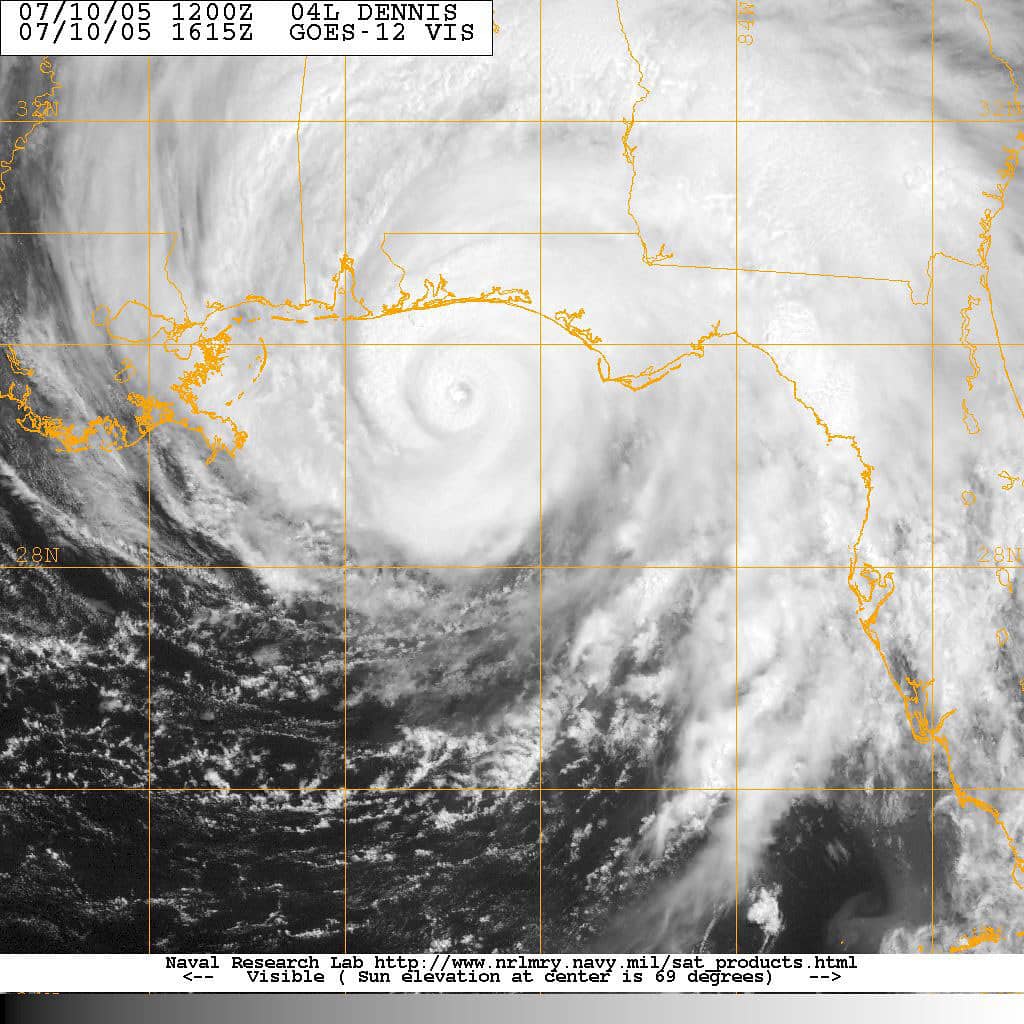
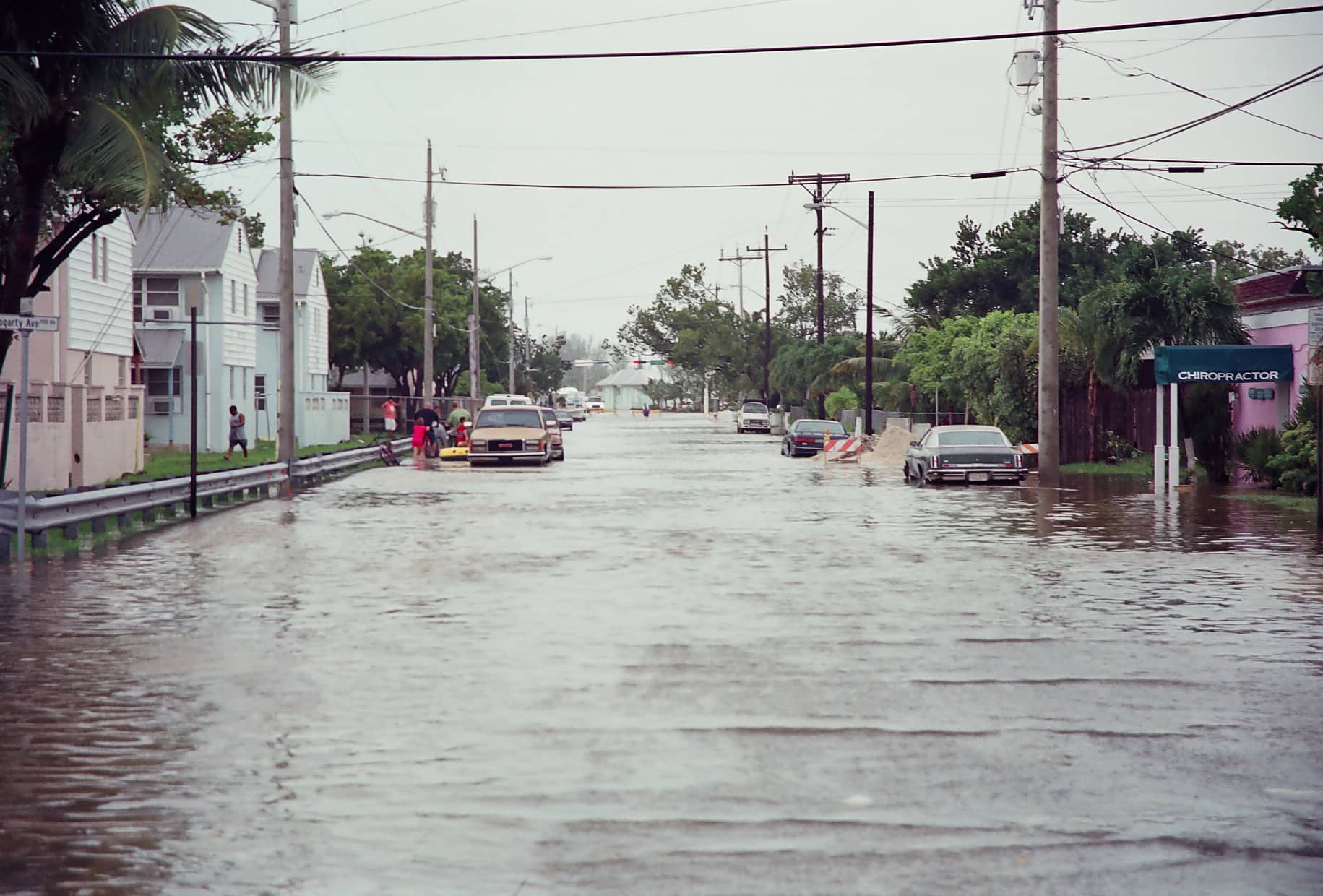
It only takes one landfalling storm to cause catastrophic damage. A single powerful hurricane making landfall in a populated area can inflict devastation that overwhelms communities, regardless of how quiet the rest of the season may be. The count of named storms across the basin offers little comfort to a community in the path of one of them.
Florida's particular vulnerability sharpens this point. As the most hurricane-exposed state in the country, with extensive coastline along both the Atlantic and the Gulf, Florida faces elevated risk in any season. Its geography places it squarely in the path of storms that develop in the Atlantic and the Caribbean.
History reinforces the warning. Seasons forecast to be quiet have still produced destructive landfalls, and a single storm can define a year for the communities it strikes. For that reason, forecasters consistently urge residents to prepare every season as if a major storm could come, no matter the seasonal outlook.
Preparing for the season ahead
Emergency officials encourage Floridians to take concrete steps to prepare, regardless of the forecast. The Florida Division of Emergency Management is among the agencies that promote readiness, emphasizing measures residents can take well before any storm appears on the horizon.
Assembling a supply kit is a standard recommendation, ensuring households have essentials like water, food, medications and other necessities to last through and after a storm. Such kits help families weather the disruptions that hurricanes bring, including power outages and limited access to stores.
Knowing one's evacuation zone is another key step. Florida is divided into evacuation zones that guide who should leave and when during an approaching storm, and residents are encouraged to learn their zone in advance so they can act quickly if officials issue evacuation orders.
Reviewing insurance coverage rounds out the standard preparedness advice. Hurricanes can cause extensive property damage, and ensuring that coverage is adequate and up to date can make a significant difference in recovery. Insurance considerations are a recurring concern in a state where storm risk shapes the market.
Why it matters for Florida
For Florida, the hurricane season carries implications that extend well beyond the immediate threat of wind and water. Preparedness, insurance and emergency planning are central concerns for residents, businesses and officials as the season unfolds.
The state's exposure to hurricanes influences everything from building practices to the cost and availability of insurance. Each season renews the importance of planning, as communities weigh the risks and ready themselves for the possibility of a damaging storm.
Emergency planning operates at every level, from individual households assembling kits to state agencies coordinating responses. The Florida Division of Emergency Management and local officials work to ensure that systems are in place to respond when storms arrive, but individual preparedness remains a vital piece of the picture.
The below-normal forecast for 2026, while encouraging, does not change these fundamentals. The season still demands attention and readiness, because the consequences of a single landfalling storm can be profound for the communities affected.
Understanding seasonal forecasts
Seasonal hurricane forecasts like NOAA's serve a specific purpose, and understanding what they offer helps put the 2026 outlook in context. These forecasts estimate the overall level of activity expected across the Atlantic basin over the course of the season, drawing on the large-scale climate signals that tend to shape how many storms form.
What such forecasts cannot do is predict where storms will go or whether any will strike a particular coastline. The factors that determine a storm's track and intensity unfold over days, not months, and depend on atmospheric conditions that cannot be known far in advance. A seasonal outlook is a measure of basin-wide activity, not a map of risk for any one community.
This distinction is at the heart of the caution from Florida forecasters. A below-normal forecast can be accurate in describing a quieter basin while a single storm still devastates a stretch of coastline. The number of storms and the danger to a given place are related but separate questions, and the seasonal outlook speaks only to the former.
For residents, the practical takeaway is to treat the forecast as useful context rather than a personal risk assessment. The outlook informs the broader picture, but individual preparedness should rest on the understanding that any season can bring a damaging storm to Florida, no matter how the numbers are projected to fall.
What's next
With the season running through November 30, forecasters will continue to monitor the Atlantic for developing systems, and NOAA may update its outlook as conditions evolve over the coming months. The National Hurricane Center will keep tracking tropical waves and any disturbances that could organize into named storms.
Activity typically increases as the season progresses toward its peak, meaning the quiet of early June offers no guarantee for the busier months ahead. Floridians are advised to stay informed and to maintain their readiness throughout the season rather than relying on the seasonal forecast.
For now, the guidance from Florida forecasters and emergency managers is clear: prepare as though a major storm could come, regardless of the below-normal outlook. With supply kits, evacuation plans and insurance reviews in place, residents can face the season ahead ready for whatever it brings, even as they hope the quiet start holds.
Spotted an issue with this article?
Have something to say about this story?
Write a letter to the editor