Red Tide Turns Up on Florida's Atlantic Coast as Gulf Waters Stay Quiet
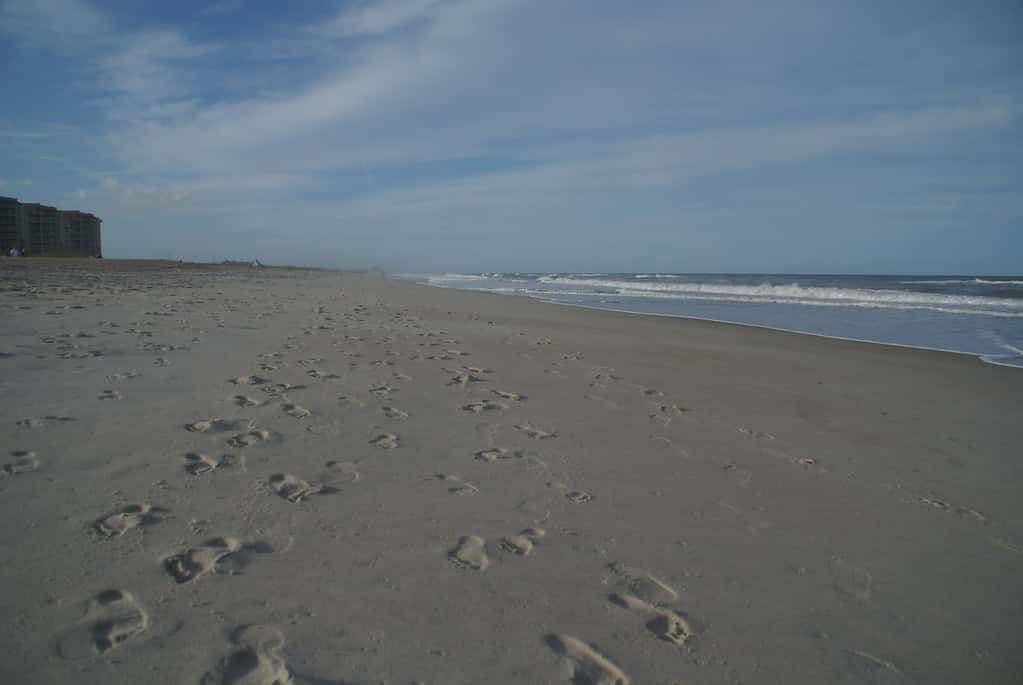
Florida's red tide organism has shown up in an unusual place. State sampling over the past week detected Karenia brevis in 25 samples from Florida's East Coast, including bloom concentrations in one sample from Nassau County, while only two samples offshore of Southwest Florida showed the organism at background levels. Satellite imagery from August 19 also revealed elevated chlorophyll levels in Nassau and Duval counties, the two counties at Florida's northeastern corner.
The pattern inverts what Floridians have come to expect. Red tide is overwhelmingly a Gulf phenomenon in Florida, with blooms typically originating offshore in the eastern Gulf and moving toward beaches from Pinellas County south through Lee and Collier counties. Atlantic coast detections happen, but they are the exception rather than the rule, and they usually result from Gulf blooms carried around the Florida Keys and north by the Gulf Stream.
For residents and visitors on the First Coast, the practical question is whether beaches will be affected. Red tide produces brevetoxins that can cause respiratory irritation in people along the shoreline, particularly when onshore winds carry aerosolized toxin inland, and it kills fish in sufficient concentrations to leave beaches littered with dead marine life.
What the sampling found
The Florida Fish and Wildlife Conservation Commission maintains a statewide red tide monitoring program that combines water samples collected by agency staff, partner institutions and volunteers with satellite observations of chlorophyll concentration. Sample results are classified by cell concentration, running from not present through background, very low, low, medium and bloom.
The distinction between those categories matters for interpreting the current situation. Background concentrations indicate the organism is present in the water but at levels well below those associated with fish kills or respiratory effects. Bloom concentrations are the highest category and the level at which visible effects typically appear. The current East Coast finding included 25 samples with the organism detected and one Nassau County sample at bloom concentration.
One sample at bloom concentration is not the same as a bloom covering a stretch of coastline. Red tide is patchy, and a single high sample can reflect a localized concentration that disperses within days. Agency reporting distinguishes between isolated detections and sustained multi-sample blooms for exactly this reason.
The satellite chlorophyll signal in Nassau and Duval counties is a supporting indicator rather than a confirmation. Elevated chlorophyll indicates elevated phytoplankton biomass of some kind, and satellites cannot distinguish Karenia brevis from other algal species. Water sampling is what confirms which organism is present.
Why the Atlantic side is unusual
Karenia brevis blooms initiate offshore in the eastern Gulf of Mexico, typically 10 to 40 miles out, and are then transported shoreward by winds and currents. The organism is native to Gulf waters, and blooms there have been documented in Spanish colonial records, meaning red tide long predates modern nutrient pollution even as nutrient inputs can intensify and prolong blooms once they reach nearshore waters.
Transport to the Atlantic coast happens through the Loop Current and the Florida Current, which carry Gulf water around the southern tip of the peninsula and north along the East Coast as the Gulf Stream. Blooms that survive that journey have historically affected the southeast Florida coast more often than the northeast, since the water travels progressively farther and encounters progressively different conditions moving north.
Reaching Nassau and Duval counties, at the Georgia line, means the organism has traveled essentially the full length of Florida's Atlantic coast or has been transported by some other mechanism. Researchers monitoring these events look at current patterns, water temperature and salinity to reconstruct how a given detection arrived.
The Gulf side's quiet summer is its own data point. Only two Southwest Florida samples showed background concentrations, which is a notably low signal for late August in a region that has experienced significant blooms in recent years. Gulf red tide activity varies substantially year to year, and quiet seasons are part of that natural variability rather than evidence that the underlying problem has resolved.
Health effects and what beachgoers should know
Brevetoxins affect people primarily through inhalation of aerosolized toxin in sea spray. Symptoms typically include coughing, sneezing, throat irritation and watery eyes, and they generally resolve when a person leaves the beach area. People with asthma, chronic obstructive pulmonary disease or other respiratory conditions can experience more significant effects and are advised to avoid affected beaches entirely.
Swimming in water with an active bloom can cause skin irritation in some people. Health authorities generally advise against swimming in discolored water or in areas with dead fish, and advise rinsing with fresh water after any contact.
Shellfish present the most serious consumption risk. Brevetoxins accumulate in filter-feeding shellfish including clams, oysters and mussels, and consuming contaminated shellfish can cause neurotoxic shellfish poisoning. Florida closes shellfish harvesting areas when monitoring indicates risk, and commercially harvested shellfish from open, monitored areas remain safe. Recreational harvesters should check current closure status before collecting shellfish.
Finfish caught during a red tide are generally considered safe to eat if the fish was healthy when caught, since brevetoxins do not accumulate in fish muscle tissue the way they do in shellfish. Anglers should not harvest fish that are found dead or distressed, and should discard the guts and clean fillets with fresh water.
Effects on wildlife and the coast
Fish kills are the most visible consequence of red tide. Brevetoxins disrupt nerve function in fish, and dense blooms can kill large numbers across many species, leaving beaches with dead fish that local governments must remove. Cleanup costs fall on counties and municipalities and can run into significant sums during sustained events.
Manatees face particular risk. Brevetoxins can cause seizures in manatees that lead to drowning, and red tide events have historically produced elevated manatee mortality in affected regions. Florida's manatee population has faced multiple stressors in recent years, including seagrass loss in the Indian River Lagoon on the Atlantic coast, which makes additional mortality pressure a serious conservation concern.
Sea turtles, dolphins and seabirds can also be affected, either directly through toxin exposure or indirectly by consuming contaminated prey. Wildlife rehabilitation facilities along both Florida coasts respond to strandings during bloom events, and the Florida Fish and Wildlife Conservation Commission operates hotlines for reporting distressed or dead marine wildlife.
Northeast Florida's coastal ecosystem differs from Southwest Florida's, with extensive salt marsh and estuarine habitat around the mouth of the St. Johns River and the Nassau Sound system. How a bloom interacts with that habitat is less well documented than the Gulf-side pattern, simply because the events are rarer.
Economic stakes for the First Coast
Northeast Florida's beach communities, including Amelia Island in Nassau County and Jacksonville Beach, Neptune Beach and Atlantic Beach in Duval County, depend on coastal tourism. Late summer and early fall carry meaningful visitor volume, and a sustained bloom during that window would affect hotels, restaurants and beach-based businesses.
Southwest Florida's experience provides the reference case. Extended red tide events in that region have produced documented declines in tourism spending and in property transaction activity in affected coastal areas, with effects persisting after the bloom cleared because of reputational lag. Local tourism agencies in those counties developed communication strategies specifically to counter that lag.
Commercial and recreational fishing are also exposed. Northeast Florida supports a significant recreational fishing economy, including offshore charter operations out of Mayport and inshore guiding in the marshes and rivers. Fish kills and shellfish closures affect both directly.
The scale of any economic effect depends entirely on whether the current detections develop into a sustained bloom or dissipate. At present, the data describes detections rather than an established coastal bloom, and that distinction is the difference between a monitoring item and an economic event.
How to report and where to get information
The Florida Fish and Wildlife Conservation Commission operates a Fish Kill Hotline for reporting dead or distressed fish, and a separate Wildlife Alert hotline for reporting distressed or deceased marine mammals and sea turtles. Reports from the public contribute meaningfully to the agency's understanding of where a bloom is affecting wildlife, since sampling cannot cover every stretch of coast.
Beach condition reporting varies by county. Several Florida counties operate their own beach condition reporting systems with daily updates on water clarity, respiratory irritation and dead fish presence, and those local reports are generally more current than statewide summaries for a specific beach.
The Gulf of Mexico Coastal Ocean Observing System maintains a beach conditions reporting network drawing on lifeguard and staff observations, and NOAA produces harmful algal bloom forecasts projecting bloom transport and respiratory irritation risk several days ahead.
Residents who experience respiratory symptoms they believe are related to a bloom should leave the beach area, and those with chronic respiratory conditions should consult their physician. Local health departments issue advisories when conditions warrant, and those advisories are the operative guidance for a specific area.
What's next
The Florida Fish and Wildlife Conservation Commission publishes red tide status updates with county-level sample results, and its statewide status page is the authoritative source for current conditions. Sampling continues weekly, and additional samples over the coming days will indicate whether the Nassau County detection was isolated or the leading edge of something larger.
Pinellas County and several other coastal counties maintain their own beach condition reporting, and the National Oceanic and Atmospheric Administration produces harmful algal bloom forecasts for Florida that project bloom transport several days out. Beachgoers planning trips should check those sources rather than relying on general weather forecasts.
Research into red tide mitigation has advanced. Scientists at Mote Marine Laboratory have been testing treatments designed to kill red tide organisms without harming surrounding ecosystems, with some approaches reducing algae levels by more than 70 percent in laboratory and field trials. Those techniques remain in development rather than in routine deployment.
The remainder of hurricane season adds a variable. Storm systems mix the water column and can either disperse a bloom or transport it, and the eventual course of the season will influence how the fall unfolds on both coasts.
Spotted an issue with this article?
Have something to say about this story?
Write us a letterComments
No comments yet. Be the first to weigh in.
Related Coverage

Record Sargassum Season Fades as Key West and UM Researchers Prepare for the Next Wave
3d ago
Florida's New Stormwater Pollution Credit Rules Draw Fire From Environmentalists and Industry Alike
4d ago
Lead pellets from shot iguanas linked to first known crocodile poisoning death in Florida
Oct 7

DeSantis and Cabinet protect more than 10,770 acres, from Putnam County woods to Martin County ranches
Oct 4