SpaceX Targets Tuesday Falcon 9 Starlink Launch From Cape Canaveral
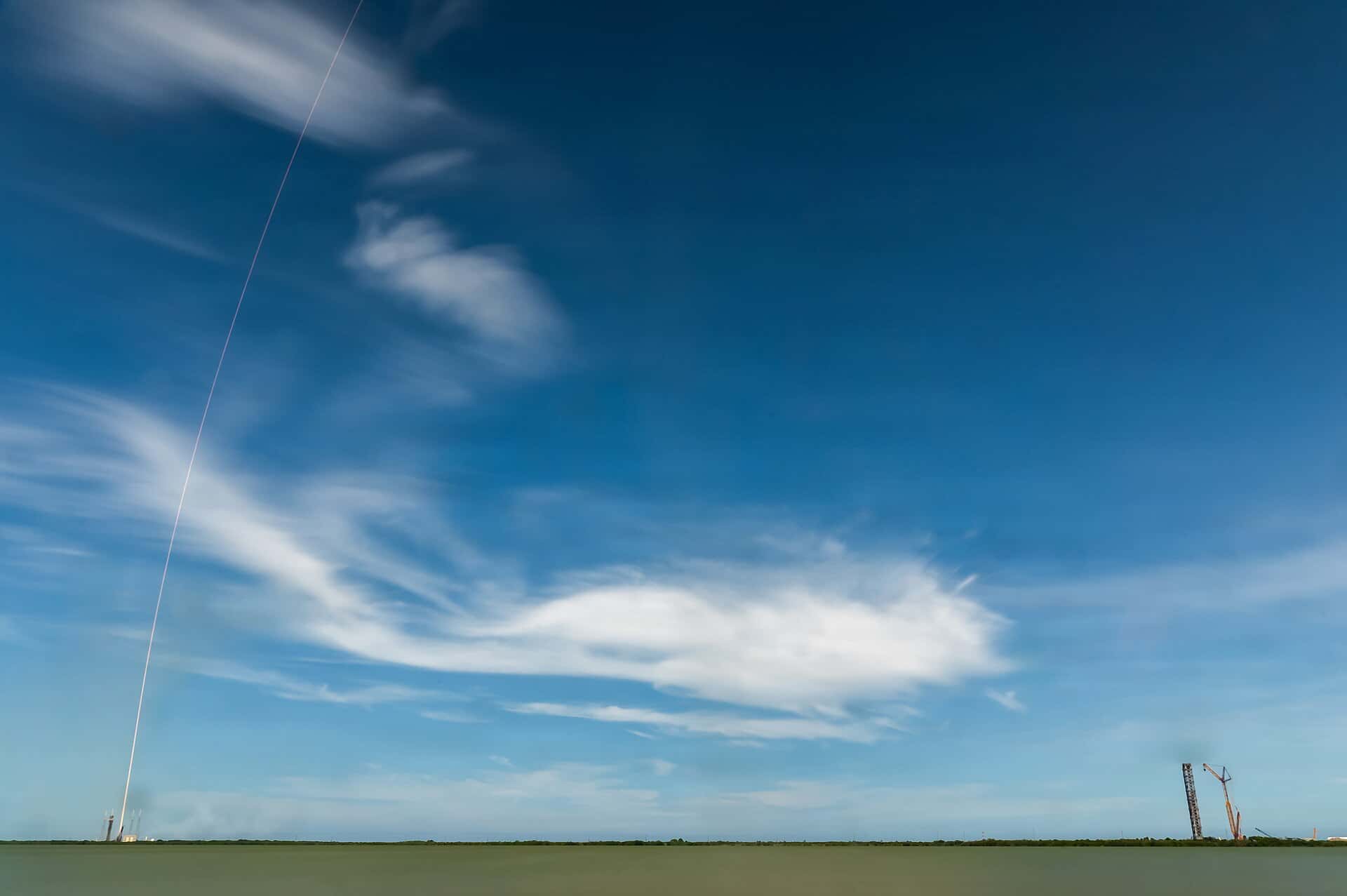
SpaceX is targeting a Falcon 9 launch of 29 Starlink internet satellites to low-Earth orbit on the morning of Tuesday, July 14, 2026, lifting off from Space Launch Complex 40 at Cape Canaveral Space Force Station in Florida. For Brevard County and the wider Space Coast, the flight is another data point in a launch tempo that has turned this stretch of Florida's Atlantic shoreline into the busiest gateway to orbit on the planet, an engine driving thousands of jobs, remaking the regional economy, and testing the area's roads, hotels and infrastructure.
The mission follows closely on the heels of another Starlink flight. On July 9, 2026, a Falcon 9 launched a separate batch of 29 Starlink satellites, a mission that carried added significance because its first-stage booster flew for a record-setting 36th time. That booster returned to a controlled landing on the droneship named A Shortfall of Gravitas, marking the 160th landing for that vessel and roughly the 635th booster landing overall for SpaceX. The back-to-back cadence, with major milestones passing almost as routine, captures how thoroughly reusable rocketry has reshaped the economics of spaceflight and, by extension, the fortunes of the Florida communities that host it.
The Florida angle is not incidental. Every one of these launches originates from Florida soil, and the workforce that prepares, launches and recovers the rockets lives, spends and pays taxes in Florida communities. What was once a Cold War missile range has become a commercial spaceport operating at a pace that would have seemed implausible only a decade ago, and the ripple effects reach far beyond the launch pads themselves.
A Tuesday morning launch from pad 40
Tuesday's planned flight from Space Launch Complex 40 is, on its face, a routine Starlink mission: 29 satellites bound for low-Earth orbit to expand SpaceX's broadband constellation. Yet the routine nature is precisely the point. Launches that once commanded national attention now unfold on a schedule dense enough that many pass with little public notice beyond the aerospace community and the residents who have learned to track them.
Space Launch Complex 40 sits at Cape Canaveral Space Force Station, one of two primary launch corridors on the Space Coast, the other being neighboring Kennedy Space Center. The two facilities together anchor a launch infrastructure that supports crewed missions, national security payloads, commercial satellites and the steady drumbeat of Starlink deployments. Pad 40 has become a workhorse for the Starlink program in particular.
Weather and technical readiness always govern the exact timing of any launch, and morning launch windows can shift or slip. SpaceX typically provides updated timing as a countdown proceeds, and residents and visitors hoping to watch generally follow official channels for confirmation. As with any orbital mission, the target date represents an intention rather than a guarantee.
A record 36th flight for one booster
The July 9 mission underscored how far rocket reusability has advanced. The first-stage booster on that flight completed its 36th trip to the edge of space and back, a record for the SpaceX fleet. After separating from the upper stage, the booster executed a landing on the droneship A Shortfall of Gravitas, stationed in the Atlantic to catch returning stages that lack the fuel margin to fly back to land.
That landing was the 160th recovery for A Shortfall of Gravitas alone, and it counted as roughly the 635th booster landing across SpaceX's entire program. Each recovered booster can be inspected, refurbished and flown again, spreading the cost of expensive hardware across many missions. The practice, once viewed skeptically across the aerospace industry, has become central to the launch cadence that defines the modern Space Coast.
Reusability matters to Florida for a concrete reason: it enables the sheer number of launches that sustain local employment and business activity. A fleet that flies frequently requires a large, skilled ground workforce to refurbish and prepare rockets between missions, and much of that work happens in Brevard County. The milestones announced with each record flight translate, in local terms, into steady demand for engineers, technicians and support staff.
The world's busiest launch site
The Space Coast's claim to being the world's busiest launch site rests on the frequency of missions departing from Cape Canaveral and Kennedy Space Center. The combined pace has climbed sharply as commercial launch activity, led by the Starlink build-out, has intensified. Where launch schedules were once measured in a handful of flights per year, the region now sees a far denser calendar.
Starlink is the single largest driver of that volume. SpaceX has been deploying its broadband constellation in batches, and each Falcon 9 can carry a cluster of satellites to orbit. The steady stream of Starlink launches, layered atop crewed missions, national security flights and other commercial payloads, produces the cumulative tempo that has earned the Space Coast its distinction.
For Florida, hosting the world's busiest launch site is both a point of pride and a practical economic asset. The concentration of launch activity draws related industry, attracts talent to the region, and reinforces the state's position in a national space sector that spans government and private enterprise. The framing is national in scope, but the launch pads sit in Florida, and that geography shapes who benefits.
Jobs and the aerospace workforce
The economic core of the story is employment. The launch cadence supports thousands of jobs across Brevard County, ranging from the highly specialized engineers who design and operate launch systems to the technicians, logistics workers and support personnel who keep the operation running. A high launch tempo requires a correspondingly large and capable workforce, and that demand has helped reshape the regional labor market.
Aerospace employment tends to carry higher wages than many other sectors, and its expansion influences housing demand, local spending and the broader economic profile of the communities near the Cape. As SpaceX and other operators have scaled up, the workforce needed to sustain the cadence has grown, drawing skilled workers to the area and encouraging local institutions to train new talent for aerospace careers.
The workforce dimension also carries a note of caution familiar to a region long tied to the space program. Brevard County has historically experienced cycles tied to shifts in national space priorities, and its economy has felt the effects when programs wound down. The current commercial-driven tempo represents a different model, one less dependent on a single government program, though the region's fortunes remain closely linked to the pace of launches.
Tourism, infrastructure and daily life
Beyond direct employment, the launch cadence shapes tourism and infrastructure. Launches draw spectators to beaches, causeways and viewing sites, feeding demand for hotels, restaurants and services in the surrounding communities. A dense launch calendar means more opportunities for visitors to time a trip around a liftoff, reinforcing the Space Coast as a destination built partly around the spectacle of rockets leaving the ground.
That influx places demands on local infrastructure. Roads, parking, accommodations and public services must accommodate both the resident workforce and the visitors who arrive around launch windows. The pace of activity has prompted ongoing attention to how the region's infrastructure keeps up with growth tied to the space sector, a challenge that accompanies the economic benefits.
For residents, frequent launches have become woven into daily life. Sonic booms from returning boosters, launch alerts and the visible arcs of rockets climbing over the Atlantic are now familiar features of living on the Space Coast. The routine has normalized what remains, by any historical measure, an extraordinary concentration of orbital activity in one corner of Florida.
Starlink's expanding constellation
The satellites riding Tuesday's Falcon 9 join a constellation that SpaceX has been steadily enlarging to deliver broadband internet service. Each batch adds capacity and coverage to the network, and the frequency of Starlink launches reflects the scale of the deployment. The constellation's growth is the engine behind much of the Space Coast's launch volume.
The build-out has commercial logic behind it, as the constellation is designed to provide internet access, including in areas underserved by traditional ground-based networks. Whatever the merits and debates surrounding large satellite constellations, the deployment schedule directly determines how many rockets depart from Florida, tying the state's launch economy to the pace of the Starlink program.
Because Starlink launches originate from Florida, the constellation's expansion effectively routes a national and global broadband effort through the Space Coast's pads. That connection illustrates how a project national and even international in ambition manifests locally as jobs, launches and economic activity concentrated in Brevard County.
What's next
The immediate next step is Tuesday's targeted launch itself, subject to weather and technical readiness, followed by the recovery of the first-stage booster and the deployment of 29 more Starlink satellites. Beyond that single mission, the broader trajectory points toward a continued high cadence, with additional Starlink flights and other missions filling the Space Coast calendar in the weeks ahead.
For Florida, the durable questions concern how the region manages the growth that the launch tempo brings: how its workforce keeps pace with demand, how its infrastructure absorbs the activity, and how communities balance the benefits of a booming aerospace sector against the pressures that accompany rapid expansion. The launch cadence shows no sign of slowing, and the Space Coast's economic story remains bound to the rockets rising from Cape Canaveral.
As the countdown proceeds toward Tuesday morning, the flight stands as a reminder that what has become routine on Florida's Space Coast is, in the longer view of spaceflight history, anything but ordinary. Each launch adds to a record of activity that continues to redefine what a spaceport can be and what it can mean for the state that hosts it.
Spotted an issue with this article?
Have something to say about this story?
Write a letter to the editorComments
No comments yet. Be the first to weigh in.
Related Coverage

U.S. Adds Just 29,000 Jobs in September as Unemployment Rises to 4.2%, a Warning Sign for Florida's Job Market
9h ago

SNAP Benefits Rise Slightly for Florida Families as State Takes On 75% of Program's Administrative Costs Under New Federal Law
9h ago
Navy Moving Mayport Destroyer USS John Basilone to Spain, Shrinking Jacksonville's Fleet
12h ago

Mortgage Rates Jump to 7.28%, Highest in Nearly Three Years, Adding Hundreds a Month for Florida Homebuyers
13h ago