World Cup Knockout Soccer Returns to Miami With Argentina Set for Hard Rock Stadium
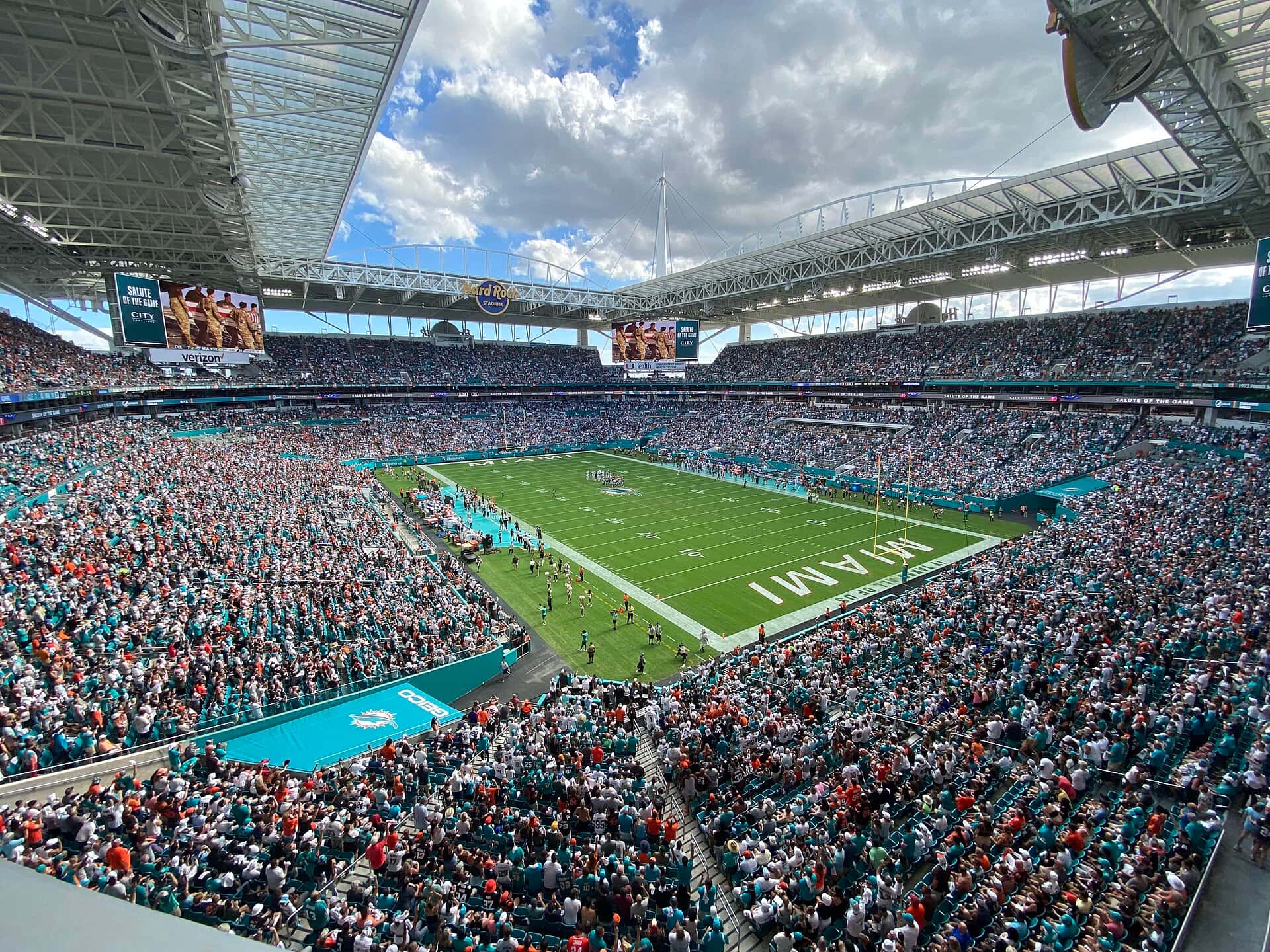
Miami's Hard Rock Stadium is preparing to take center stage in the 2026 FIFA World Cup again, set to host a Round of 32 knockout match featuring defending champion Argentina against Cape Verde on July 3. The fixture brings elimination-stage soccer and a worldwide audience back to South Florida, where the World Cup has already drawn enormous crowds during the group stage and cemented Miami's role as a marquee host city for the tournament.
For a region with deep soccer roots and a passionate, international fan base, the return of World Cup action represents both a sporting spectacle and a major economic event. The tournament, co-hosted across the United States, Mexico, and Canada, has turned host cities into global stages, and Miami's slate of matches has placed the area squarely in the spotlight.
The buildup to the July 3 fixture has carried a different energy than the group-stage matches that preceded it, because the stakes are now absolute. Where the opening rounds allowed teams to recover from a disappointing result, the knockout stage offers no such cushion, and that reality has sharpened the anticipation among fans and observers across the region. The match is the kind of occasion that draws not only dedicated supporters but also casual viewers swept up in the broader excitement of a global tournament reaching its decisive phase.
The match and the stakes
The Round of 32 fixture at Hard Rock Stadium pits defending champion Argentina against Cape Verde in a knockout match where the loser goes home. The expanded 2026 World Cup format features a larger field and additional knockout rounds, and the Round of 32 represents the first elimination stage, raising the intensity compared to the group matches that opened the tournament.
Argentina enters as the reigning champion, carrying the weight of expectation that comes with defending a title on soccer's biggest stage. The presence of a global powerhouse adds star power to the Miami fixture and ensures intense interest from fans both locally and around the world. Cape Verde, reaching this stage, brings its own story to the match as it looks to upset the favorites.
Knockout soccer carries a drama that group play cannot match, with every match potentially ending a team's tournament. That win-or-go-home format heightens the tension and the appeal, and hosting such a match places Hard Rock Stadium at the heart of the World Cup narrative on that date.
The contrast in profiles between the two sides adds an extra dimension to the occasion. A defending champion against a team competing at this level for the first time is the sort of matchup that fuels both the romance and the unpredictability that make the World Cup so compelling. For neutral fans, the prospect of a potential upset gives the fixture a hook beyond the usual loyalties, while supporters of both nations approach the match knowing that a single result will define their tournament.
Miami as a host city
Hard Rock Stadium is hosting a full slate of World Cup matches as part of the 104-game tournament, including group-stage fixtures, a Round of 32 game, a quarterfinal, and the bronze-medal match. That lineup makes Miami one of the most significant venues in the competition, with matches running from the middle of June through the middle of July.
The group stage already brought a series of high-profile matchups to the stadium, drawing large crowds and showcasing the region's ability to host major international events. South Florida's diverse, soccer-loving population has embraced the tournament, filling the stadium and surrounding areas with fans representing nations from around the globe.
The concentration of important matches in Miami, culminating in a quarterfinal and the bronze final later in the tournament, underscores the area's prominence in the World Cup. For a region that has invested in establishing itself as a destination for global sporting events, the tournament represents a high-profile validation of those ambitions.
Hosting matches across several rounds also requires sustained logistical coordination, from transportation and security to hospitality and crowd management, and the way a city handles those demands shapes its reputation for future events. Miami's experience with large-scale gatherings, built over years of hosting championship games, concerts, and international competitions, has prepared it for the responsibilities that come with a tournament of this magnitude. Each successful matchday reinforces the case that the region can reliably stage events on the world's biggest stages.
How the tournament reached this point
The World Cup's arrival in Miami is the culmination of a long process that began well before the first ball was kicked. Host cities were selected through a competitive evaluation, and securing a place on the schedule required demonstrating the infrastructure, accommodations, and organizational capacity necessary to support an event of global scale. For South Florida, earning that designation was a significant achievement that reflected years of preparation.
The expanded format of the 2026 tournament, with its larger field of teams and additional matches, increased the number of fixtures distributed across the host cities and lengthened the competition. That structure spread the tournament's reach more widely and gave venues like Hard Rock Stadium a fuller share of the action, from the group stage through the later knockout rounds.
The group stage set the tone for what has followed, as the matches in Miami drew strong crowds and built momentum heading into the elimination rounds. The transition from group play to the knockout stage marks a shift in the tournament's character, and the July 3 fixture represents the moment when that heightened intensity arrives at the stadium.
The Florida economic impact
Hosting World Cup matches delivers a substantial economic boost to South Florida, drawing visitors from around the world who fill hotels, restaurants, and attractions. The influx of international travelers during the tournament supports the region's hospitality and tourism industries, which are central to the local economy. Major matches like the Argentina fixture amplify that effect by attracting fans of a global soccer power.
Beyond direct spending, the tournament provides South Florida with extensive international exposure, showcasing the region to a worldwide television audience. That visibility can have lasting benefits for tourism and the area's reputation as a host for major events, reinforcing the value of the investment in attracting the World Cup.
The tournament also energizes the local sports economy and community, with watch parties, fan events, and the general buzz of a global competition. For businesses across the area, the weeks of World Cup action represent a significant opportunity tied to one of the world's largest sporting events.
The benefits also reach a wide range of workers and small businesses that may not ordinarily be associated with major sporting events, from transportation providers and food vendors to retailers and service workers who see increased activity during the tournament. That broad distribution of economic activity is part of what makes hosting attractive to local leaders, who view the event as an opportunity that touches many corners of the regional economy rather than a narrow slice of it.
The global stage
The World Cup is among the most widely watched sporting events in the world, and the matches staged in Miami are broadcast to audiences far beyond South Florida. That reach turns each fixture into a showcase not only for the soccer on the field but also for the city that hosts it, placing the region before viewers who may never have given it much thought. The exposure that comes with that kind of audience is difficult to replicate through other means.
For a host city, the tournament represents a chance to present itself to the world over the course of several weeks, with the cumulative effect of multiple matches reinforcing the impression left by any single broadcast. The images that accompany the coverage, from the stadium to the surrounding area, become part of how a global audience perceives the region. That dimension of hosting carries value that extends well beyond the duration of the event itself.
The presence of a defending champion in the Round of 32 fixture sharpens that spotlight further, drawing the attention of supporters around the globe who follow the team's progress. The combination of a marquee side and a host city eager to make a strong impression gives the July 3 match a significance that resonates internationally, adding to the sense that Miami occupies an important place in the tournament's story.
What it means for Florida fans
For soccer fans across Florida, the chance to see World Cup knockout action in person is a rare and significant event. The tournament comes to the region only because of its status as a host, and the presence of a team like Argentina offers fans the opportunity to watch elite international soccer on home soil. The atmosphere at these matches reflects the global passion the sport inspires.
South Florida's large communities with ties to soccer-loving nations add to the fervor, turning matches into celebrations of national pride and shared enthusiasm. The diversity of the region is on full display during the tournament, with fans of many countries converging to support their teams. That cultural dimension is part of what makes hosting the World Cup so meaningful for the area.
The matches also inspire local interest in the sport, particularly among young players and fans who get to witness the world's best up close. The legacy of hosting a World Cup can extend well beyond the tournament itself, fueling continued growth of soccer's popularity across the region.
That sense of occasion extends to families and longtime residents for whom a home World Cup is a once-in-a-generation experience. Many fans who have followed the sport from afar are able, for the first time, to attend a match of this caliber without traveling abroad, and the chance to share that experience across generations gives the tournament a personal dimension that lingers long after the final whistle.
What's next
After the Round of 32 match, Hard Rock Stadium is scheduled to host additional World Cup action later in the tournament, including a quarterfinal and the bronze-medal match. Those fixtures will keep Miami in the spotlight through the competition's later stages, sustaining the economic and cultural momentum generated by the event.
The outcome of the Argentina match will determine which team advances deeper into the tournament, and the result will resonate with fans far beyond Miami. As the World Cup progresses, the stakes rise with each round, and Hard Rock Stadium's role as a host venue ensures South Florida remains part of the story.
For now, the region prepares to welcome another wave of fans and a global audience as knockout soccer returns. The tournament has already left its mark on Miami, and the upcoming matches promise to add to a memorable summer of World Cup action in South Florida.
Spotted an issue with this article?
Have something to say about this story?
Write a letter to the editorComments
No comments yet. Be the first to weigh in.
Related Coverage
Rays Open the Postseason as the American League's Top Seed With a Bye and Home Field at Tropicana Field
9h ago
Jaguars Rout the Patriots 35-6 Behind Three Trevor Lawrence Touchdowns as Liam Coen Hits a Milestone
11h ago
UCF Beats TCU 21-13 in Orlando as Penalties and Turnovers Sink the Horned Frogs
1d ago

Sixth Ranked Miami Returns Home to Face Central Michigan Before the Schedule Turns
2d ago