Citizens Property Insurance Rate Cuts Take Effect Statewide as Florida's Market Stabilizes
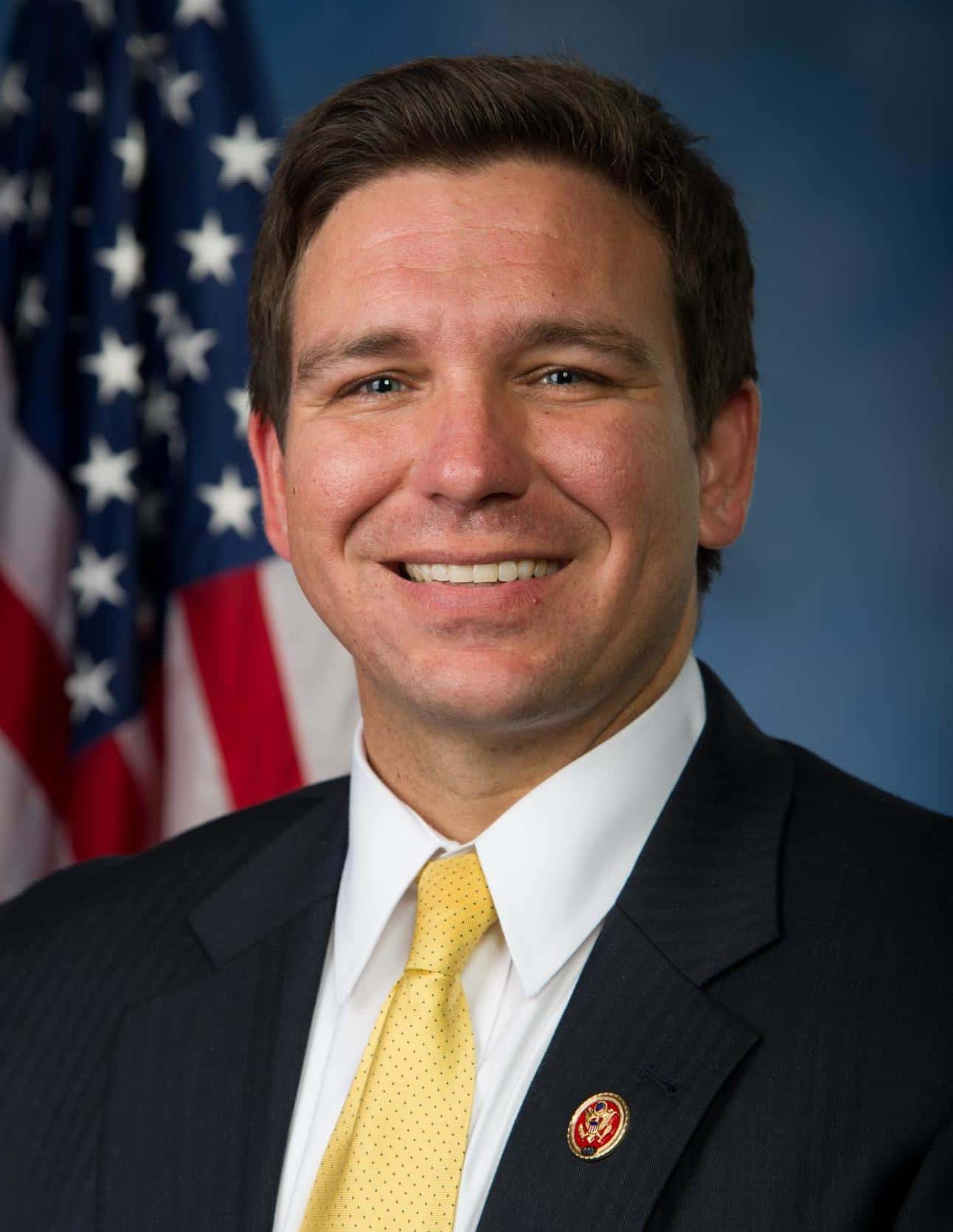
Florida's state-backed insurer of last resort began applying rate decreases on July 1, delivering an average cut of 8.8% to homeowners with multiperil policies and 5.5% to wind-only policyholders. The reductions from Citizens Property Insurance Corporation, approved by the Florida Office of Insurance Regulation, mark the clearest sign yet that a property insurance market once defined by soaring premiums and carrier exits has begun to stabilize.
More than 330,000 policyholders across all 67 counties are in line for reductions as their policies renew, with South Florida counties seeing the largest cuts. The change lands at the start of the new fiscal year and just ahead of the peak of hurricane season, a period when Florida homeowners feel the weight of their coverage costs most acutely.
For a state that in recent years carried the most expensive home insurance in the nation, the rate cuts represent a meaningful shift. They also serve as a political and policy milestone, offered by state leaders as proof that a series of insurance reforms is finally delivering relief to homeowners who endured years of double-digit increases and dropped policies.
What changed on July 1
The new rates set by the Office of Insurance Regulation take effect July 1 for new policyholders and apply to existing policies as they come up for renewal through the year. For multiperil homeowners, the coverage that bundles wind and other perils, the statewide average decrease is 8.8%. Wind-only policyholders will see an average reduction of 5.5%.
Because the reductions apply at renewal rather than immediately for existing customers, many policyholders will not see the change reflected until their policy anniversary later in the year. The staggered timing means the full effect of the cuts will roll out over the coming months as policies come up for renewal one by one.
Citizens said South Florida counties are seeing the deepest cuts. Broward County, with roughly 27,000 homes in the affected book of business, is set for an average reduction of about 14.1%. The pattern reflects how heavily the state's coastal, hurricane-exposed markets had absorbed prior increases, and how much room existed to bring rates down as the broader market improved.
The averages also mask wide variation. The size of any individual homeowner's cut depends on county, coverage type, the age and construction of the home, and other factors that insurers weigh. Some policyholders will see reductions larger than the average, while others may see smaller changes.
A dramatic shrinking of Citizens
The rate cuts arrive alongside a striking change in the size of Citizens itself. The company's policy count now stands at about 336,000 policies, down roughly 76% from a peak of 1.41 million policies in October 2023. That decline is central to the state's argument that its insurance reforms are working, because Citizens was designed to be a backstop rather than one of Florida's largest home insurers.
Citizens grew rapidly during the market's worst years, when private carriers raised rates, dropped policies or left Florida entirely, pushing homeowners toward the state-backed option. At its peak, the company insured well over a million properties, an outsized role that regulators warned posed a systemic risk to the state.
Regulators have long cautioned that a bloated Citizens threatens all Floridians, because a catastrophic storm season could force assessments on policyholders statewide if the company's reserves fall short. Under Florida law, if Citizens cannot cover its claims after a major disaster, it can levy surcharges on policyholders across the state, including those insured by private companies. Shrinking the book reduces that exposure and the risk of broad assessments.
The Florida context
State officials credit a series of legislative changes, including measures targeting litigation costs and roof-claim practices, with drawing private capital back into the market. New companies have entered Florida, and some existing carriers have expanded, giving homeowners more options outside Citizens. The governor's office has pointed to rate relief across the market, including auto insurance, as evidence that the reforms are delivering results.
The reforms addressed what officials described as a litigation crisis, in which a high volume of lawsuits and claims practices drove up costs for insurers and, in turn, premiums for homeowners. By curbing those costs, lawmakers argued, they could make Florida a more attractive market for insurers and stabilize prices. The recent rate cuts are held up as vindication of that approach.
Analysts remain cautious about how long the improvement will last. A recent industry viewpoint noted that Florida property insurance rates might keep falling but could also stall, depending on reinsurance costs, storm activity and whether the legal environment stays favorable to insurers. A single severe hurricane season could test the durability of the current trend and reverse some of the gains homeowners are now seeing.
Depopulation and the private market
Behind the headline rate cuts is an ongoing depopulation effort, in which private insurers take over policies from Citizens. When a private carrier makes an offer within a set range of the Citizens premium, policyholders can be moved off the state book. Supporters say the process returns Citizens to its intended role and spreads risk across a healthier private market.
Critics note that some homeowners have been shifted to private policies with different terms, higher deductibles or different service experiences, and that not every transition has been smooth. Consumer advocates urge policyholders to read takeout offers carefully and compare coverage, not just price, before accepting or declining a move off Citizens.
For Floridians shopping for coverage, the improving market means it is worth comparing private offers against Citizens rather than assuming the state-backed option is automatically the cheapest. As more carriers compete, the gap between Citizens and the private market has narrowed in some regions, giving homeowners leverage they did not have during the crisis years.
Commercial coverage and clearinghouses
The reforms also affect commercial coverage. The Office of Insurance Regulation approved rate and rule changes to Citizens' commercial lines policies, applying to new business and renewals effective on or after July 1. Commercial policyholders, including owners of apartment buildings and businesses, are part of the broader effort to bring stability to the market.
Separately, Citizens is required to establish two clearinghouses by January 1, 2027, where authorized insurers and surplus lines insurers may offer commercial coverage to residential and nonresidential risks. The clearinghouses are designed to move commercial business off the state's books and into the private market, mirroring the depopulation strategy used for residential policies.
These structural changes reflect a longer-term goal of returning Citizens to a smaller, more contained role. If the clearinghouses succeed, they could further reduce the state's exposure and reinforce the shift toward a private market capable of absorbing more of Florida's insurance risk.
What it means for Floridians
For homeowners insured through Citizens, the practical effect is a smaller premium at renewal, though the size of the cut depends on county, coverage type and individual property characteristics. After years of rising costs, even a single-digit reduction offers welcome relief for households that have watched insurance become one of the fastest-growing lines in their budgets.
The rate cuts also intersect with other affordability pressures. Elevated mortgage rates and, for some, high property taxes continue to strain homeowners, so insurance relief is one piece of a larger picture. A proposed property tax amendment on the November ballot could add further relief if approved, compounding the effect for homesteaded owners.
For the broader market, the trend matters because insurance costs influence home sales, affordability and even where people choose to live within the state. Stabilizing and reducing premiums supports the housing market and eases a burden that had become a defining frustration for Florida residents.
How Florida got here
The rate cuts mark a turning point in a crisis that had been years in the making. Following costly storm seasons and what officials described as a surge in litigation, private insurers pulled back from Florida, dropping policies, halting new business or leaving the state altogether. That retreat pushed hundreds of thousands of homeowners toward Citizens and drove premiums to the highest levels in the nation.
Lawmakers responded with special sessions and a series of reforms aimed at the practices they blamed for the escalating costs. Those changes targeted litigation and claims practices, sought to attract new carriers and adjusted the rules governing Citizens. The goal was to restore competition and stability to a market that had become an acute source of financial pain for residents.
The recent reductions are offered as evidence that the strategy is working, though the market's recovery remains sensitive to storms and broader economic conditions. The scale of the crisis, and the years it took to reach this point, underscore how consequential the shift toward falling rates is for Florida homeowners.
What homeowners should do
Consumer advocates encourage homeowners to review their renewal notices carefully to understand how the rate changes apply to their specific policies. Because the cuts take effect at renewal and vary by county and coverage type, the impact on any individual household depends on its particular circumstances.
Homeowners are also advised to compare offers from private carriers, particularly if they receive a takeout offer to move off Citizens. Comparing coverage terms, deductibles and service, not just price, helps ensure that a switch genuinely serves the homeowner's interests rather than simply shifting the policy off the state's books.
Maintaining a home in good condition, particularly its roof, can also affect insurability and cost, as roof condition has been a central factor in the market's challenges. Staying informed about coverage options and market developments puts homeowners in a stronger position as the market continues to evolve.
What's next
The key question is whether the 2026 storm season cooperates. Forecasters have projected a below-normal Atlantic hurricane season, which would help insurers avoid the large losses that drive up rates. A quiet season would strengthen the case that Florida has turned a corner and could support further reductions in 2027.
Regulators, lawmakers and homeowners will be watching renewal notices, private-carrier growth and Citizens' policy count through the rest of the year. Any major storm could quickly change the calculus, reminding Floridians that the state's insurance stability rests in part on the whims of the weather.
For now, the July 1 rate cuts give many Florida homeowners their first premium relief in years, a tangible shift in a market that not long ago was the most expensive in the nation. Whether that relief endures will depend on the season ahead and on whether the reforms continue to hold.
Spotted an issue with this article?
Have something to say about this story?
Write us a letterComments
No comments yet. Be the first to weigh in.
Related Coverage
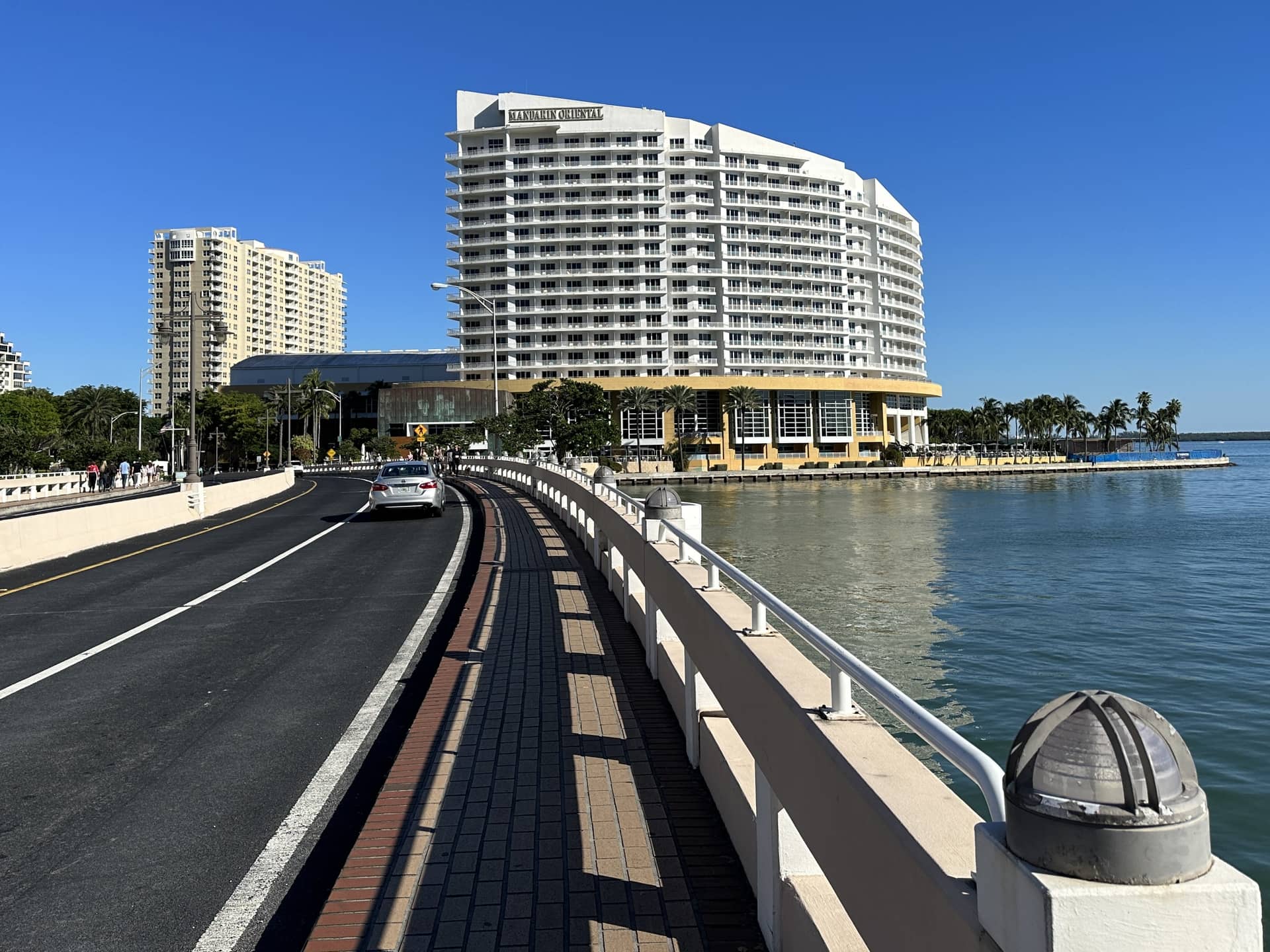
Swire Breaks Ground on Mandarin Oriental Towers on Brickell Key After Selling More Than $1.7 Billion in Condos
2h ago

Seminole Tribe Sues DraftKings and CEO Jason Robins in Broward, Calling Its Florida Prediction Markets an Illegal Sportsbook
2h ago

Jacksonville council members weigh relief for high JEA bills as utility says it isn't ready for a hyperscale data center
1d ago

Rays to open Westshore ballpark experience center in 2027 as Tampa stadium deal moves ahead
1d ago