Colombia and Portugal Play to Scoreless Draw at Hard Rock Stadium as Miami Shines on World Cup Stage
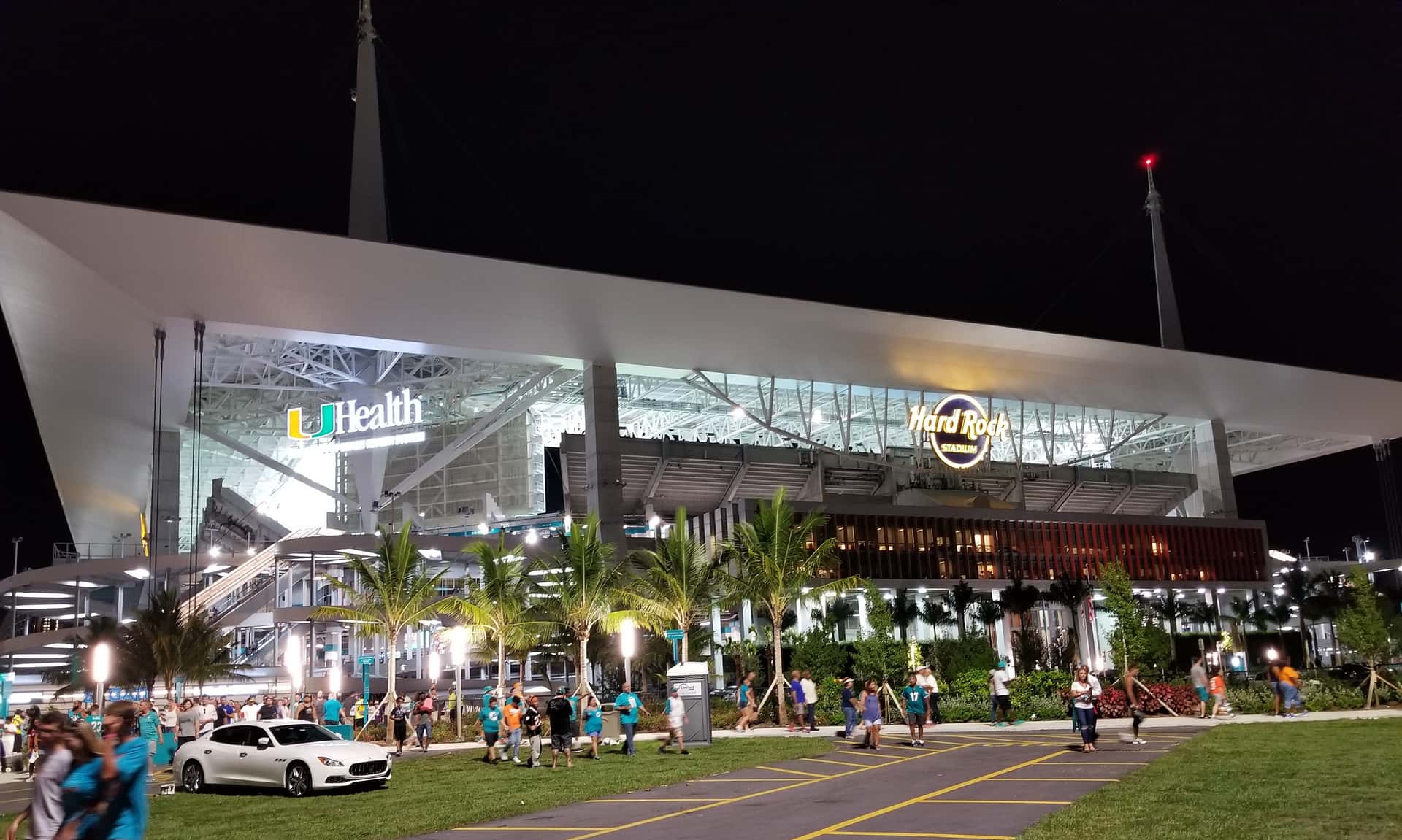
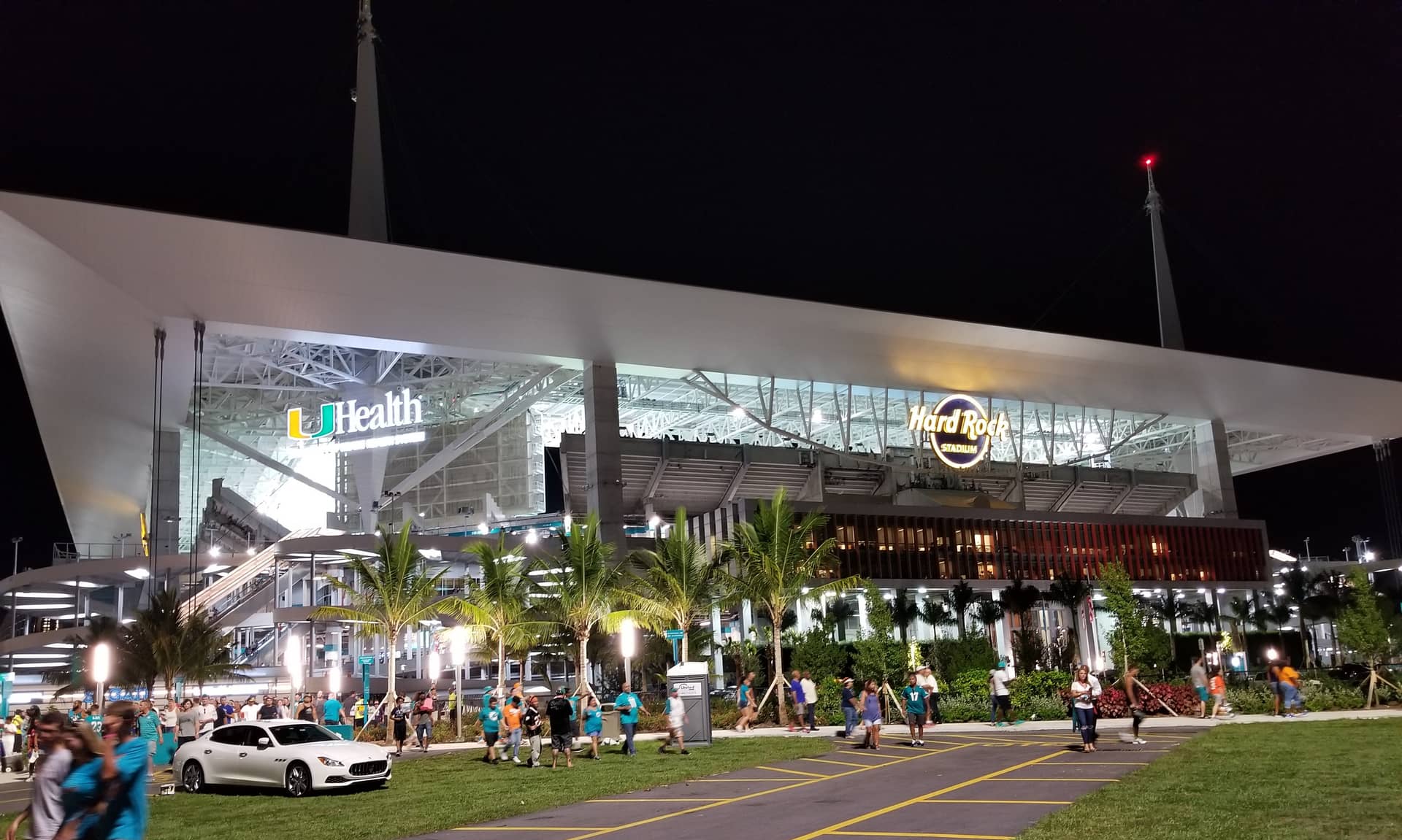
The world's most popular sporting event took center stage in South Florida again as Colombia and Portugal battled to a scoreless draw at Hard Rock Stadium on June 27, a Group K clash that put two soccer powers on the field in Miami Gardens before a global television audience. The 0-0 result, in Match 71 of the 2026 FIFA World Cup, was one of seven matches Miami is hosting across the tournament, a run that has placed the region squarely in the international spotlight.
For Miami, the match was about far more than the final score. Hosting World Cup games has brought a wave of visitors, global media attention and economic activity to South Florida, while showcasing one of America's most international cities on the sport's biggest stage. The 2026 tournament, jointly hosted by the United States, Canada and Mexico, has made Florida a key venue in the largest World Cup in history.
A tense, scoreless affair
The Group K meeting between Colombia and Portugal ended without a goal, a result that reflected the high stakes and tactical caution that often define World Cup group play. Both nations arrived as serious contenders, featuring rosters stocked with players who compete for elite clubs around the world, and the scoreless draw kept the group tightly contested.
A 0-0 result at this level is rarely dull for the tactical observer. Group stage matches between evenly matched powers frequently become chess matches, with each side wary of conceding and willing to settle for a point rather than risk a loss. The draw left both teams to continue their pursuit of advancement to the knockout rounds, with positioning in the group still to be determined.
For the tens of thousands of fans who packed Hard Rock Stadium, the atmosphere was a spectacle in itself. World Cup crowds bring color, noise and passion from around the globe, and a match featuring Colombia and Portugal drew supporters whose energy filled the venue regardless of the goalless scoreline. The occasion delivered the kind of international pageantry that only the World Cup provides.
Miami's turn in the spotlight
Hard Rock Stadium, the home of the NFL's Miami Dolphins and a regular host of major events, is serving as one of the marquee venues of the 2026 World Cup. Miami is hosting seven matches in total, spanning the group stage through the latter rounds of the tournament, a slate that keeps the global event returning to South Florida over several weeks.
Hosting World Cup matches is a significant undertaking and a significant opportunity. The tournament draws visitors from around the world, filling hotels, restaurants and attractions, and generating economic activity across the region. For a destination that thrives on tourism and international travel, the World Cup represents a showcase moment and a substantial economic boost.
The global media attention is its own prize. With matches broadcast to billions of viewers worldwide, host cities receive exposure that money cannot easily buy. Miami's international character, its diverse population and its connections to Latin America and beyond make it a natural fit for soccer's premier event, and the tournament has reinforced the city's standing as a global sports destination.
The Florida angle
South Florida is one of the most soccer mad regions in the United States, home to passionate communities with deep ties to nations across the Americas and around the world. A match featuring Colombia, with its large and devoted fan base in the region, carried special resonance, turning Hard Rock Stadium into a sea of supporters and bringing the energy of international soccer to Miami's doorstep.
The tournament also builds on Florida's growing soccer footprint. The state is home to Inter Miami CF, whose roster has included some of the sport's biggest global names, as well as Orlando City SC and a robust youth and amateur soccer scene. The World Cup's presence reinforces and accelerates that growth, exposing a new generation of Florida fans to the highest level of the game played in their backyard.
Economically, the World Cup arrives as a major driver for the region's tourism and hospitality sector. Visitors traveling to attend matches spend across the local economy, and the international exposure can pay dividends well beyond the tournament itself as the world sees Miami on display. For a state that depends heavily on tourism, the event is a marquee draw.
A historic, expanded tournament
The 2026 World Cup is the largest in the tournament's history, expanded to feature more teams than ever before and spread across three host nations: the United States, Canada and Mexico. The expansion means more matches, more host cities and more opportunities for regions like South Florida to participate in the global spectacle, while also lengthening the tournament and increasing its overall footprint across North America.
The larger field reshapes the group stage and the path to the title. With more teams competing, the tournament's structure accommodates additional matches before the knockout rounds, giving more nations a chance to reach the later stages. For host cities, the expanded format translates into a greater number of games and an extended period of activity tied to the tournament.
Hosting matches across three countries makes the 2026 edition a continental event, with games taking place from coast to coast and across borders. The United States is hosting the largest share of matches, and venues like Miami's Hard Rock Stadium are integral to delivering the tournament. The scale of the undertaking is unprecedented, and the cooperation among the three host nations is itself a notable feature of the event.
The economic stakes for South Florida
Hosting World Cup matches represents a substantial economic opportunity for South Florida. The tournament draws visitors from around the world who fill hotels, dine in restaurants, use transportation and patronize local businesses during their stays. For a region whose economy depends heavily on tourism and hospitality, the influx of international visitors around match days provides a meaningful boost.
The benefits extend beyond direct spending by match attendees. The global broadcast of matches originating from Miami showcases the region to billions of viewers, exposure that can support tourism and business interest well beyond the tournament itself. Host cities often view the World Cup as an investment in their long term profile as international destinations, with the immediate economic activity complemented by lasting visibility.
There are costs and logistical demands as well. Hosting major events requires significant planning, security and infrastructure, and the disruption around match days can affect local traffic and operations. Host regions weigh these demands against the benefits, but for an established destination like Miami, accustomed to hosting major events, the World Cup represents a marquee opportunity to demonstrate its capabilities on a global stage.
Soccer's rising tide in Florida
The World Cup's presence in Miami arrives at a moment of growing enthusiasm for soccer across Florida. The sport has deep roots in the state's diverse communities, many with strong ties to soccer mad nations across the Americas and beyond, and that passion has fueled rising attendance and interest in the professional game in recent years.
Florida is home to Inter Miami CF and Orlando City SC in Major League Soccer, along with a robust youth and amateur soccer scene that continues to develop talent and build the fan base. The arrival of global stars to play in the state has accelerated interest, and the World Cup adds further momentum by bringing the highest level of the sport to Florida soil for fans to experience firsthand.
For a new generation of Florida soccer fans, watching World Cup matches in their own region can be a formative experience, deepening their connection to the sport. The tournament's legacy in Florida may include lasting growth in soccer's popularity, building on the foundation that clubs, communities and now the World Cup itself have helped establish.
What comes next for Miami
The Colombia and Portugal draw is one stop in Miami's World Cup hosting duties, with additional matches scheduled at Hard Rock Stadium as the tournament progresses through its later stages. Each match brings another wave of visitors and another global broadcast originating from South Florida, extending the region's time in the spotlight.
As the group stage gives way to the knockout rounds, the stakes rise and the drama intensifies, and Miami's slate of matches positions the region to host some of the tournament's most consequential games. The later rounds tend to draw the largest audiences and the highest profile teams, amplifying the attention on host venues.
For South Florida, the 2026 World Cup is a chance to demonstrate its capacity to host the world's biggest events and to capitalize on the economic and cultural benefits that come with them. The scoreless draw between Colombia and Portugal will be remembered less for its goals than for the spectacle surrounding it, another moment in a summer that has put Miami at the heart of the global game.
The legacy of hosting the World Cup often extends well beyond the matches themselves. Cities that host the tournament frequently see lasting effects on their profile as international destinations, on local soccer infrastructure and on the enthusiasm of a new generation of fans. For Miami, the experience of welcoming the world for soccer's premier event could leave a durable imprint on the region's sports culture and its standing on the global stage.
The tournament also showcases Miami's capacity to host major international events, a capability the region has cultivated through years of staging significant sporting and cultural occasions. Successfully delivering World Cup matches reinforces that reputation, which can pay dividends as the area competes to host future events and attract international visitors and investment. The World Cup is, in this sense, both a celebration and a demonstration.
As the tournament continues and the matches in Miami unfold, the region remains in the global spotlight, with each game bringing fresh energy and attention. The scoreless draw between Colombia and Portugal is one chapter in that larger story, a reminder that the significance of hosting the World Cup lies not only in the results on the field but in the experience, exposure and excitement that the tournament brings to South Florida and the millions who call it home.
Spotted an issue with this article?
Have something to say about this story?
Write a letter to the editor