DeSantis Moves to Brand CAIR, Muslim Brotherhood and Antifa 'Terrorist' Groups Under New Florida Law
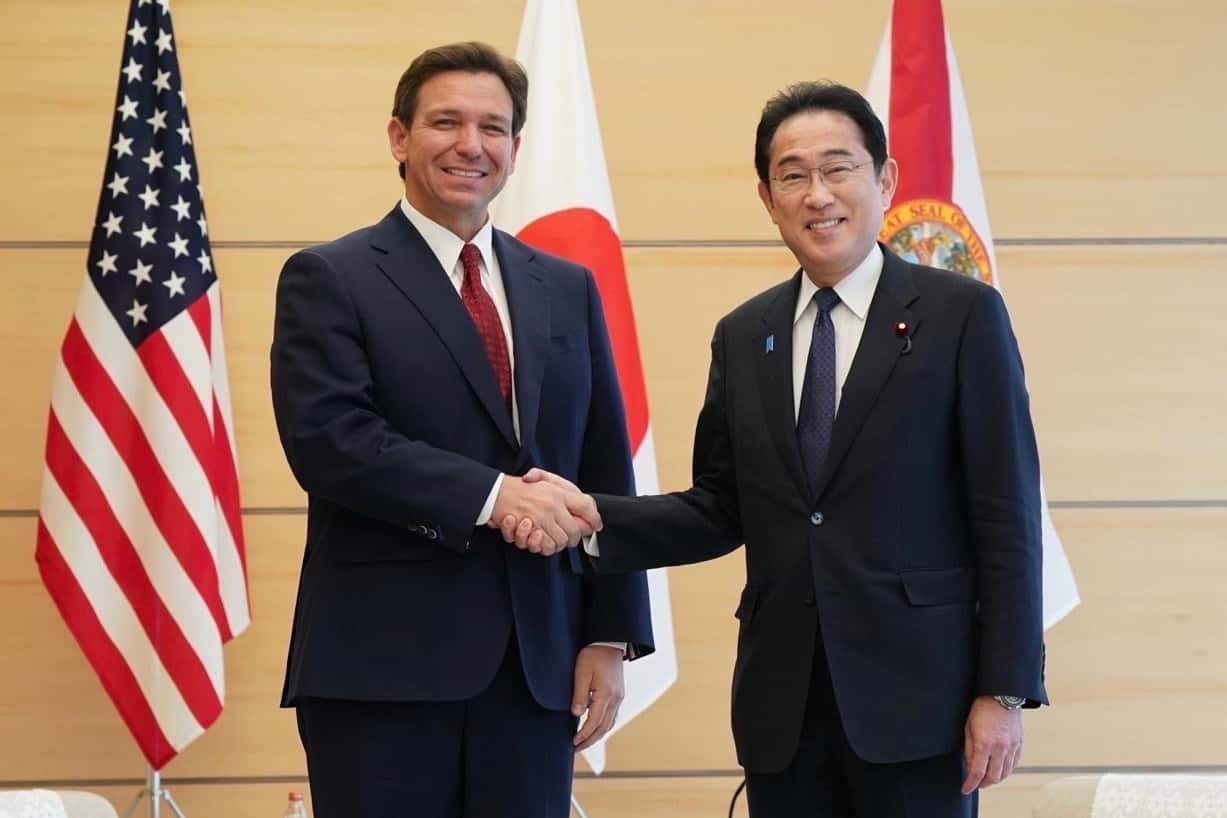
Governor Ron DeSantis announced on July 2 that Florida intends to use a state law that took effect only hours earlier to designate the Council on American-Islamic Relations Florida, the Muslim Brotherhood and Antifa as domestic terrorist organizations, opening one of the most contentious legal fights of his final full year in office. The governor said he had received a recommendation from the head of the Florida Department of Law Enforcement to apply the designation, and that his announcement was the first step in a process the new statute lays out.
The move immediately became a flashpoint in a state already at the center of the nation's fiercest debates over immigration, civil liberties and executive power. Supporters cast it as a decisive use of new authority to cut off public support from groups they view as dangerous. Opponents described it as an unconstitutional attack on a religious community and on political dissent, and civil rights groups moved within days to challenge it in court.
The dispute revives a fight that first erupted months earlier, when a similar attempt by executive order was blocked by a federal judge. By routing the new effort through a law passed by the Legislature, the administration is testing whether a statutory process can accomplish what the earlier order could not, setting up a legal battle likely to stretch well beyond the summer.
What the governor announced
At a news conference, DeSantis said state officials plan to flag more than 90 groups as terrorist organizations under the new authority, a list that includes both foreign entities and the three domestic groups he named specifically. He framed the announcement as the beginning of a review rather than a finished designation, noting that the statute requires additional steps before any label becomes final.
The governor emphasized that the designations were based on evidence assembled by law enforcement, and he tied the announcement to a broader message about public safety and what he described as threats to the state. He presented the effort as part of a pattern of Florida taking assertive action on issues where he has argued the federal government has fallen short.
According to the governor's office, the recommendation came from Mark Glass, the commissioner of the Florida Department of Law Enforcement. Under the law, the FDLE commissioner must provide written notice to the governor and the Florida Cabinet before a designation can take effect, and the Cabinet then has a defined window to approve or reject it. DeSantis said the process would move forward in the coming weeks.
The specific naming of CAIR Florida, a prominent Muslim civil rights nonprofit, drew the sharpest response. The organization has repeatedly rejected any characterization of it as a terrorist group and has described itself as the nation's largest Muslim civil liberties organization, one that engages in advocacy, legal defense and community outreach.
How HB 1471 works
The law at the center of the announcement, HB 1471, passed the Florida Legislature and was signed by the governor in March. It empowers the head of the FDLE to label organizations as domestic or foreign terrorist groups when specific criteria are met. According to the statutory language, a group must be found to have engaged in terrorist activity as defined by Florida law, to be based in or operating in Florida, and to pose an ongoing threat to the security of the state or the United States.
The statute builds in procedural checkpoints. The FDLE commissioner must give written notice to the governor and Cabinet of any plan to declare a designation, and the Cabinet is given seven days from receipt of that notice to approve or reject it. Supporters of the law describe those steps as safeguards that place the decision before elected officials; critics call them insufficient to protect due process for organizations that would face severe consequences without a trial or the chance to contest evidence.
The practical effect of a designation is significant. The law bars state and local governments from providing taxpayer funding, contracts or other public support to any designated organization. Public colleges, universities, school districts and other publicly funded institutions would be prohibited from using public resources to support or promote a designated group.
The consequences can extend further. Designated organizations could be subject to dissolution, and individuals who knowingly provide material support or resources to a designated group could face criminal penalties. That combination of financial, institutional and potential criminal consequences is what makes the designation so consequential, and why the targeted groups and their allies are fighting it so aggressively.
A repeat of an earlier fight
The announcement is not the administration's first attempt to apply the terrorist label to CAIR and the Muslim Brotherhood. In December, DeSantis issued an executive order pursuing a similar designation. CAIR Florida challenged that order in federal court roughly a week later, and in March a U.S. district judge issued a temporary injunction blocking the executive-order designation from taking effect.
That injunction is central to understanding the new push. The earlier ruling signaled that at least one federal judge saw serious legal problems with the state branding a civil rights nonprofit a terrorist organization by executive action. The administration's decision to pursue the designation again, this time under a statute rather than an order, reflects an effort to place the action on firmer legal ground.
Whether that distinction will matter is an open question. Opponents argue that moving the mechanism into statute does not resolve the underlying constitutional concerns about free speech, freedom of association, religious freedom and equal protection. The state counters that the Legislature created a lawful process with defined criteria and oversight by the Cabinet, giving the designation a stronger foundation than an executive order alone.
Reaction and legal challenge
Civil rights organizations moved quickly to contest the plan, filing suit against Florida officials over the designation of CAIR. The groups representing the plaintiffs argue that branding a civil rights nonprofit a terrorist organization chills constitutionally protected advocacy and singles out a religious community for punishment based on its viewpoint and faith.
Advocates warn that the designation, if allowed to stand, could set a precedent that governments can use to silence organizations they disagree with by attaching the terrorist label and cutting off their access to public resources. They point to the breadth of the list, which reportedly includes more than 90 groups, as evidence that the tool could be applied widely.
Supporters of the designation, including the governor, argue that the state is acting on evidence reviewed by law enforcement and that the statute provides a lawful path to cut off public resources from groups officials believe threaten public safety. They contend that the process, with its Cabinet review, provides accountability and that the criteria in the statute limit its reach.
Because the designations remain proposals subject to Cabinet approval and active litigation, none of the three named groups has been conclusively designated as of this writing. The organizations have not been convicted of any offense in connection with the announcement, and the legal questions surrounding the law are unresolved. The ultimate outcome will likely be decided in court rather than at the podium.
What it means for Floridians
For residents, the immediate stakes are less about the named groups and more about the precedent the law sets. HB 1471 hands a single agency head, subject to Cabinet sign-off, the power to attach a terrorist label that carries funding bans, contracting prohibitions and potential criminal exposure for supporters. How courts define the boundaries of that power will shape whether the tool is used narrowly or expanded to other organizations on the list.
Public universities and school districts are watching closely, because the law reaches institutions that receive state money. Student organizations, campus events and community partnerships could be affected if a designation is finalized and survives legal challenge. Local governments that contract with nonprofits for social services are also weighing how the funding restrictions might apply to their operations.
Members of Florida's Muslim communities, in particular, have voiced alarm at the targeting of a Muslim civil rights group, raising concerns about the message it sends and its potential to fuel discrimination. Civil liberties advocates across the spectrum warn that the reach of the law could touch groups well beyond those first named.
For the broader public, the case will help define the limits of state power in an era of intense political conflict. The outcome could influence how far other states go in using similar tools, making Florida a test case with implications beyond its borders.
What's next
The next formal step falls to the Florida Cabinet, which must act on the FDLE recommendation within the statutory window. At the same time, the federal lawsuit over the CAIR designation will move through the courts, and the earlier injunction blocking the executive-order version signals that judges are prepared to scrutinize the state's approach.
The litigation is likely to be extensive. With more than 90 organizations flagged for possible designation, each contested case could generate its own round of legal challenges, and the constitutional questions at stake could ultimately reach higher courts. The pace of the Cabinet's action and the response of the courts will determine how quickly the designations, if approved, take effect.
For now, Floridians can expect a period of legal uncertainty as the state tests how far a first-of-its-kind statute can reach and as the courts weigh whether the process protects the constitutional rights of the groups it targets. The clash over HB 1471 is poised to become one of the defining legal and political battles of the year in Florida.
Spotted an issue with this article?
Have something to say about this story?
Write a letter to the editorComments
No comments yet. Be the first to weigh in.
Related Coverage
Florida Rolls Out Redesigned Driver Licenses With Castillo de San Marcos, Manatee and Space Shuttle Discovery
7h ago

Florida Governor's Race Enters Final Five Weeks With Split Polls and No Debate Between Donalds and Jolly
2d ago
Florida's Senate Special Election Tightens as Angie Nixon Pulls Even With Ashley Moody in New Polling
5d ago
Florida's Governor Race Enters the Final Five Weeks With Polls Telling Two Different Stories
5d ago