Everglades 'Alligator Alcatraz' Detention Center Closes as Demobilization Begins
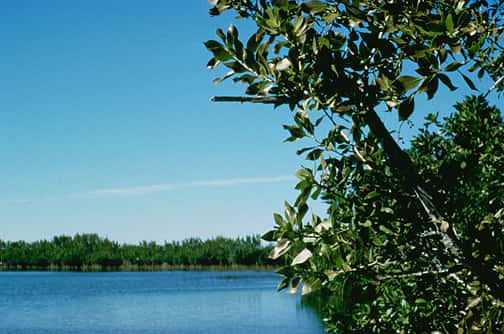
The controversial immigration detention center in the Florida Everglades, widely known as Alligator Alcatraz, has closed less than a year after it opened, with all detainees relocated and the process of dismantling the remote facility now underway. The closure marks the end of a short-lived and heavily debated experiment in immigration enforcement that drew national attention and significant controversy.
State officials confirmed that the facility, built on an isolated airstrip deep in the Everglades in Miami-Dade County, has ceased operations. The final detainees were transferred to other detention centers or removed from the country, and crews have begun the demobilization work of taking down tents, fencing, trailers, and other structures erected at the site. The winding down of operations closes a chapter that, from its announcement to its dismantling, unfolded over a strikingly compressed period.
The facility had become one of the most visible symbols of the immigration debate in Florida, and its closure was watched closely by supporters and critics alike. For a project that generated headlines from the moment it was proposed, the quiet work of removing its structures marks an understated end to a venture that had provoked sustained argument over its conditions, its cost, and its place in a fragile natural landscape.
A facility built quickly, closed quickly
The detention center was constructed rapidly on a remote airfield surrounded by wetlands, an approach that gave rise to its nickname evoking both the alligators of the Everglades and the famous former island prison. The facility used tents and trailers rather than permanent buildings, reflecting the speed with which it was assembled and its intended temporary nature. That improvised character was central to both its defense and its criticism: proponents pointed to the speed and flexibility it offered, while opponents questioned whether such structures were suited to housing people over any sustained period.
From the outset, the center was the subject of intense debate. Supporters presented it as a tool for expanding immigration detention capacity, while critics raised concerns about conditions at the facility, its remote location, and the environmental sensitivity of the surrounding Everglades. Legal challenges and advocacy campaigns accompanied its operation throughout its brief existence, keeping the site in the public eye and in the courts for much of the time it was open.
The remoteness that made the location distinctive also compounded the concerns raised about it. Situated far from population centers and reachable only across the wetlands, the site posed practical difficulties for the movement of people and supplies, for access by attorneys and family members, and for oversight. Those logistical realities were among the recurring themes in the debate over whether the facility should have been built where it was.
Officials cited the approach of the Atlantic hurricane season as a factor in the decision to relocate detainees, pointing to safety concerns about holding people in a low-lying, flood-prone area during the months when powerful storms threaten South Florida. The site's vulnerability to flooding had been among the criticisms raised by opponents from the beginning. The Everglades sit at low elevation and are shaped by seasonal water flows, and the prospect of a major storm reaching a temporary facility in such terrain underscored the questions that had surrounded the location since it was first announced.
The federal funding dimension
The facility's finances added another layer to the story. The project was tied to substantial federal funding, and Florida had counted on significant reimbursement from the federal government to cover the costs of building and operating the center. The expense of running the remote facility escalated over time, contributing to the pressures that led to its closure. Operating any detention site carries recurring costs, and doing so in an isolated location, where supplies, staffing, and services must be brought in from a distance, added to the financial burden.
Questions surrounding the reimbursement and the overall cost of the project have been a recurring theme, with critics arguing that the facility represented an inefficient use of public money. The interplay between state and federal responsibilities for immigration enforcement and detention costs has been a persistent point of contention in the broader national debate. Who pays, and under what arrangements, is a question that has shadowed many state efforts to expand their role in immigration enforcement, and the Everglades facility brought that tension into sharp relief.
The closure leaves open questions about the final accounting for the facility, including how much was spent and how the costs will ultimately be divided between state and federal sources. Those financial details are part of the legacy of a project that generated as much scrutiny for its expense as for its conditions and location. As the site is dismantled, the reconciliation of what was spent and what will be reimbursed remains unresolved, and it is likely to draw continued attention from officials and outside observers.
The Florida and national context
The Everglades detention center sat at the intersection of Florida politics and national immigration policy, embodying the state's prominent role in immigration enforcement debates. Florida has been a focal point of those debates, and the facility became a symbol of the aggressive posture the state adopted on the issue. Its rise and fall tracked closely with the wider political argument over how far states should go in matters that have traditionally rested with the federal government.
Immigration policy is fundamentally a federal responsibility, but states have increasingly sought to assert their own roles, leading to legal and political friction. The rise and fall of the Everglades facility illustrates the practical and financial challenges of such state-driven efforts, particularly when they involve building infrastructure in difficult locations under compressed timelines. The experience offers a concrete example of how ambitions announced in political terms can run into the constraints of geography, cost, and law once they are put into practice.
The site's future adds a further twist. Officials have indicated that once demobilization is complete, the airfield will return to use for pilot training, and there has been discussion of eventually transferring the isolated land to the National Park Service given its location within the Everglades. Those plans would return the site to purposes more consistent with its surroundings. The prospect of the land being folded into the surrounding protected landscape would, in effect, undo the departure that the detention center represented and restore the airfield to a role closer to the one it held before.
The trajectory of the facility also fits a pattern that has played out in other states pursuing their own enforcement initiatives, where ambitious plans announced with confidence encounter the slower, more stubborn realities of budgets, litigation, and logistics. What set the Everglades project apart was the vividness of its setting, which turned an otherwise technical dispute over immigration policy into a debate carried out against the backdrop of one of the nation's most recognizable natural landscapes. That combination helped ensure the facility a level of national attention that few detention sites receive, and it kept the project in the spotlight from the day it was proposed to the day crews began taking it down.
What it means for Floridians
For residents, the closure removes a facility that had become a flashpoint in the state's immigration debate and a source of environmental concern given its location in the ecologically sensitive Everglades. The dismantling of the site addresses worries about the impact of the facility on the surrounding wetlands, a landscape central to South Florida's water system and natural heritage. The Everglades supply water and support ecosystems that reach across the region, and their protection has long been a shared priority that cut across the political divisions surrounding the detention center itself.
The episode also carries lessons about the costs and complexities of immigration enforcement infrastructure. The rapid construction and equally rapid closure of the facility, along with the questions about its expense, offer a case study in the challenges of translating enforcement priorities into functioning operations, particularly in challenging environments. Building quickly can meet an immediate goal, but the Everglades facility illustrates how the durability, cost, and practicality of such efforts come under strain once they must operate day to day.
For the broader community, the closure shifts the immigration debate to other venues and policies, as the facility that had drawn so much attention exits the picture. The underlying tensions over immigration enforcement, federal and state roles, and the treatment of detainees remain, but the Everglades center is no longer the focal point it had been. The arguments that gathered around the site will continue elsewhere, even as the particular controversy it embodied comes to a close.
What's next
The demobilization of the site will continue as crews remove the structures and restore the airfield. The transition of the location to pilot training use, and any eventual transfer to the National Park Service, will unfold in the months ahead, marking the final chapters of the facility's brief and contentious history. The work of clearing the tents, trailers, and fencing is expected to proceed in stages, and the pace at which the land returns to its prior uses will depend on how those transitions are managed.
The financial reckoning, including the resolution of reimbursement questions and the accounting of total costs, is likely to continue as officials and watchdogs assess the project. And the broader debate over immigration enforcement in Florida and nationally will proceed, shaped in part by the experience of a detention center that opened and closed within the span of a single year in the heart of the Everglades. Whatever conclusions are drawn, the facility's short life is likely to be cited in future discussions of how, where, and at what cost such efforts should be undertaken.
Spotted an issue with this article?
Have something to say about this story?
Write a letter to the editorComments
No comments yet. Be the first to weigh in.
Related Coverage

Rick Scott and Ashley Moody file bill to shield Eglin Gulf test range from offshore drilling
7h ago
Miami Federal Judge Rules Federal Ban on Noncitizen Voting Unconstitutional in Broward Case
10h ago
Former Miami Congressman David Rivera Sentenced to 10 Years in Secret Venezuela Lobbying Case
12h ago

Federal judge strikes down ICE immigration courthouse arrest policy: what it means for Florida
15h ago