Everglades Restoration Hits Milestone as Reservoir Contracts Move Ahead of Schedule
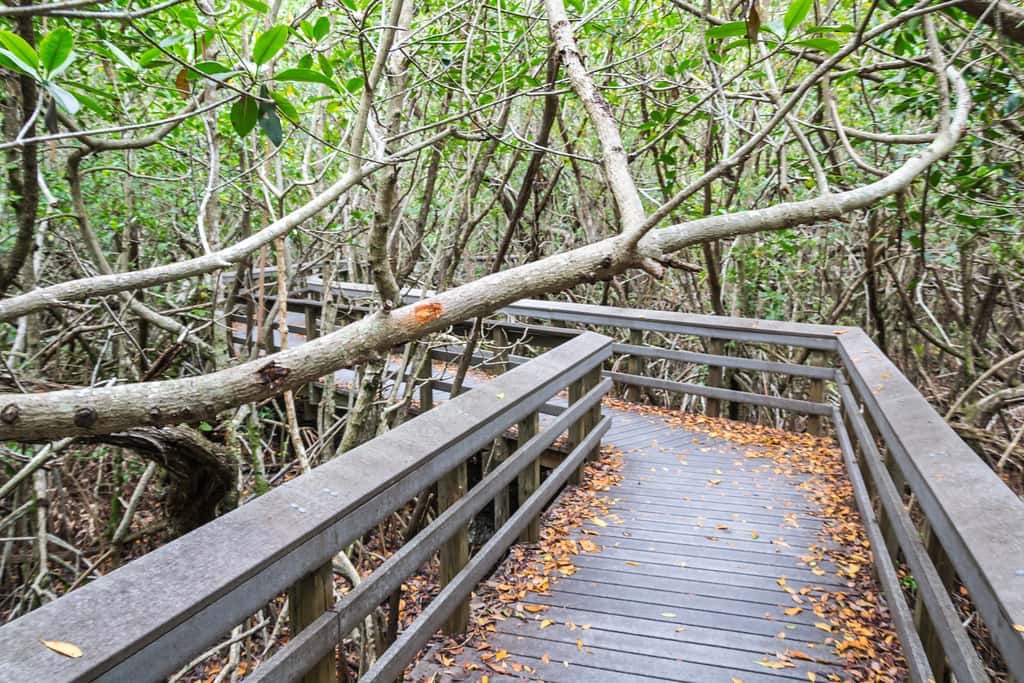
One of the most ambitious environmental projects in the country reached a significant milestone as Florida officials announced that all federally funded contracts for the Everglades Agricultural Area Reservoir have been fully executed. State leaders say the project is now positioned to be completed years ahead of its original schedule, a development with major implications for water quality, coastal estuaries, and the long-term health of the Everglades.
The reservoir is a centerpiece of the broader effort to restore natural water flow through the Everglades, a system that has been disrupted for generations by drainage, agriculture, and development. By storing and cleaning water before sending it south, the project aims to reduce the harmful discharges that have fueled toxic algae blooms and red tide along Florida's coasts.
What was announced
State officials announced that the contracts for the Everglades Agricultural Area Reservoir have been fully executed, clearing a key administrative hurdle and enabling construction to proceed on an accelerated timeline. Completion is now expected around 2029, roughly five years ahead of the project's original schedule.
The announcement came alongside a broader push on Everglades funding. The state's budget includes substantial additional investment in Everglades restoration, part of a cumulative commitment that has grown into the billions of dollars over recent years. Officials have framed the accelerated timeline as evidence that sustained funding and focused execution are paying off.
Once complete, the reservoir is designed to store, clean, and send a large volume of freshwater south each year toward the Everglades and Florida Bay. In doing so, it is intended to protect coastal estuaries from the toxic discharges that occur when excess water is released from Lake Okeechobee to the east and west.
Why the reservoir matters
The Everglades once functioned as a slow-moving river of grass, carrying water south from the Kissimmee chain of lakes through Lake Okeechobee and into the vast wetlands of South Florida. Over the past century, canals, levees, and agricultural development fragmented that system, cutting off much of the natural southward flow and creating a cascade of environmental problems.
One consequence has been the periodic need to discharge water from Lake Okeechobee to the east and west to manage lake levels and protect the aging dike surrounding it. Those discharges carry nutrients that can fuel harmful algae blooms in coastal waterways and contribute to red tide, damaging ecosystems, tourism, and public health.
The reservoir addresses this by capturing water that would otherwise be discharged, treating it, and directing it south where it is needed. Reducing the volume and frequency of damaging discharges is central to the project's promise, and it is why the reservoir has broad support among environmental advocates, coastal communities, and state leaders alike.
The water-management shift
The reservoir is part of a larger recalibration of how water is managed across South Florida. Federal officials have adjusted the way water is released from Lake Okeechobee, a shift designed to send more water south through the Everglades while reducing harmful discharges to estuaries along the coasts.
Scientists have noted that reducing nutrient-laden releases could significantly shorten the duration of red tide blooms, particularly those linked to the Caloosahatchee River and Lake Okeechobee. That connection between water management and red tide underscores why restoration is not just an ecological goal but also an economic and public-health priority for coastal Florida.
Complementing these efforts, researchers have developed forecasting tools that use environmental data to predict red tide bloom severity along the southwest coast weeks in advance. Better forecasting, combined with reduced discharges, offers coastal communities more warning and, potentially, fewer severe blooms over time.
The Florida context
Everglades restoration has become one of the rare areas of sustained bipartisan agreement in Florida, drawing consistent funding and political attention across administrations. The system is central to the state's identity, its water supply, and its tourism economy, giving stakeholders across the spectrum a reason to support its recovery.
The accelerated reservoir timeline fits within a broader pattern of increased state investment in water and land conservation, including funding for programs that preserve agricultural land and protect natural areas. The state budget signed for the new fiscal year continues that commitment with significant environmental spending.
For a state facing pressures from population growth, development, and a changing climate, the health of the Everglades is tied to fundamental questions about water availability, coastal resilience, and the preservation of a unique ecosystem that exists nowhere else on Earth.
What it means for Floridians
The benefits of Everglades restoration reach far beyond the wetlands themselves. The system supplies drinking water for millions of South Florida residents, and improving its function supports water security for the region's growing population.
Coastal communities stand to gain from reduced harmful discharges and, potentially, less severe red tide blooms, which have periodically devastated local economies by driving away tourists, killing marine life, and creating public-health concerns. Fewer and shorter blooms would ease that burden on businesses and residents along both coasts.
The project also carries economic value in the form of construction jobs and long-term ecosystem services. And for a state whose brand is inseparable from its natural environment, restoring the Everglades protects an asset that draws visitors and defines Florida's sense of place.
Decades in the making
The reservoir is one component of a restoration effort that stretches back decades, the product of a landmark plan to repair the damage done to the Everglades over more than a century of drainage and development. That plan envisioned a series of projects designed to restore the natural flow of water and undo the fragmentation caused by canals and levees.
Progress on Everglades restoration has often been slow, hampered by funding uncertainties, engineering challenges, and the sheer scale of the undertaking. Against that backdrop, an accelerated timeline for a major component like the reservoir stands out as a notable achievement, a sign that sustained commitment can move even the largest projects forward.
The long history of the effort also underscores its importance and its difficulty. Restoring an ecosystem as vast and altered as the Everglades is a generational project, and each completed component represents meaningful progress toward a goal that has united Floridians across the political spectrum for years.
A federal and state partnership
Everglades restoration is fundamentally a partnership between the state of Florida and the federal government, with both sharing responsibility for funding and executing the various projects. The reservoir's federally funded contracts reflect that collaboration, which is essential given the scale and cost of the work.
Coordinating between state and federal partners can be complex, involving different agencies, funding cycles, and priorities. The execution of the contracts and the accelerated timeline suggest that the partnership is functioning effectively on this particular project, a positive sign for the broader restoration effort.
The interdependence also means that continued progress depends on sustained commitment from both levels of government. Maintaining the funding and coordination required to complete the reservoir and the other components of the restoration plan will be essential to realizing the full benefits envisioned for the ecosystem and the millions of Floridians who depend on it.
Building climate resilience
Beyond its immediate benefits for water quality and coastal estuaries, the restoration effort contributes to South Florida's resilience against a changing climate. A healthier, better-functioning Everglades helps buffer the region against threats including sea-level rise and saltwater intrusion, which endanger both natural systems and human communities.
Research has pointed to the ways in which Everglades restoration strengthens the region's ability to withstand climate pressures, from protecting freshwater supplies to supporting the natural systems that provide coastal protection. The reservoir and the broader restoration plan thus serve multiple purposes, addressing present water-management needs while building longer-term resilience.
For a low-lying region on the front lines of climate change, the health of the Everglades is intertwined with its future. Restoring the ecosystem is not only an environmental goal but also a matter of protecting the water supply, the coastline, and the communities that depend on both, giving the effort added significance in an era of climate uncertainty.
What's next
With contracts executed and the timeline accelerated, attention shifts to construction and the years of work required to bring the reservoir online. Meeting the roughly 2029 completion target will require sustained funding, effective project management, and continued coordination between state and federal partners.
The reservoir is one piece of a decades-long restoration effort, and its completion will not by itself solve every challenge facing the Everglades. But as a major storage and treatment component, it represents one of the most consequential steps yet toward restoring the southward flow of clean water that the system needs.
For now, the milestone offers a rare piece of unambiguously positive environmental news in Florida, and a marker of progress on a project that ties together water quality, coastal health, and the future of one of the world's most distinctive landscapes.
Spotted an issue with this article?
Have something to say about this story?
Write us a letterComments
No comments yet. Be the first to weigh in.
Related Coverage
Lead pellets from shot iguanas linked to first known crocodile poisoning death in Florida
2d ago

DeSantis and Cabinet protect more than 10,770 acres, from Putnam County woods to Martin County ranches
5d ago

Record King Tides and Heavy Rain Swamp South Florida Streets as Water Managers Warn the Season Peaks Oct. 27
6d ago

Florida's loggerhead sea turtles set preliminary nesting record
Oct 1