The Fed Holds Rates as Inflation Cools, Keeping Florida Homebuyers in a Costly Waiting Game
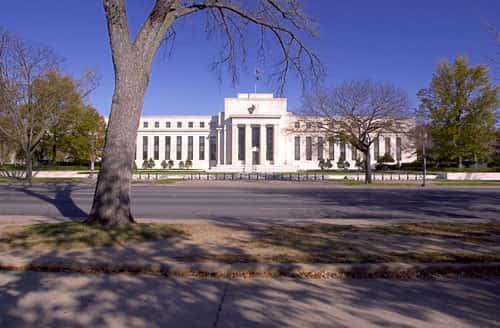
The Federal Reserve is holding interest rates steady as inflation shows signs of cooling, a stance that leaves Florida homebuyers in a costly waiting game as mortgage rates hover near their recent range. With the central bank keeping its benchmark rate unchanged and a fresh inflation report offering some encouragement, the near-term outlook points to little immediate relief for buyers facing elevated borrowing costs in one of the nation's most closely watched housing markets.
For months, the Fed has kept its key interest rate steady, weighing the progress it has made against inflation with the risks of moving too soon. A recent report showing inflation cooling has reinforced expectations that the central bank will continue to hold rates at its upcoming meeting, extending a period of stability that has kept mortgage costs elevated but predictable.
The implications land directly on Florida households. Mortgage rates near the mid-6-percent range, combined with the state's high insurance and property-tax costs, keep the total cost of homeownership high, even as the housing market cools and inventory rises. The Fed's decisions ripple through the market that shapes so many Floridians' biggest financial decisions.
The Fed's holding pattern
The Federal Reserve has maintained its benchmark interest rate within its current target range for several consecutive meetings, opting to hold steady rather than cut or raise rates. The central bank has signaled patience, watching economic data closely before making its next move. Market expectations have coalesced around the likelihood that the Fed will keep rates unchanged at its next meeting.
The Fed's benchmark rate influences borrowing costs throughout the economy, and its decisions are watched intently by markets and consumers alike. By holding rates steady, the central bank is maintaining the current cost of credit while it assesses whether inflation is durably returning toward its target. That holding pattern has defined the recent period of monetary policy.
The central bank faces a balancing act, seeking to bring inflation down without unnecessarily slowing the economy. Its cautious approach reflects the uncertainty of that task, and its decisions carry significant weight for interest-rate-sensitive sectors like housing, where the cost of borrowing directly affects affordability.
Inflation shows signs of cooling
A recent inflation report offered encouraging signs, with the annual pace of price increases moderating from earlier in the year. Cooler inflation readings are welcome news for the Fed and for consumers, as they suggest progress toward the price stability the central bank seeks. The report reinforced expectations that the Fed would hold rates steady rather than resume raising them.
Falling energy prices contributed to the moderation in the headline inflation figure, while underlying measures of inflation also showed signs of easing. The data provided evidence that the pressures driving prices higher have been abating, though the Fed has emphasized that it wants to see sustained progress before adjusting its policy.
For consumers, cooling inflation means the erosion of purchasing power is slowing, a relief after a period of elevated price increases. The trend supports the case for the Fed to eventually consider lowering rates, though the timing of any such move remains uncertain and dependent on continued progress.
Mortgage rates and Florida buyers
For Florida homebuyers, the most immediate consequence of the rate environment is the cost of mortgages. The average rate on a 30-year fixed mortgage has hovered in the mid-6-percent range, far above the ultra-low levels of a few years ago. Those elevated rates translate into substantially higher monthly payments, pricing some buyers out of the market and dampening demand.
Higher mortgage rates have been a key factor in the cooling of Florida's housing market, contributing to rising inventory and longer selling times as fewer buyers can afford to purchase. The math of homeownership has shifted, with the same home costing far more per month to finance than it would have at lower rates. That reality weighs on affordability across the state.
Forecasts suggest mortgage rates are likely to remain in their current range for the near term, absent a significant change in the Fed's stance or economic conditions. That leaves Florida buyers waiting for relief that has not yet materialized, navigating a market in which borrowing costs remain a central challenge.
The Florida affordability squeeze
Mortgage rates are only part of the affordability equation in Florida. The state's high property-insurance costs and property taxes add significantly to the expense of owning a home, compounding the burden of elevated borrowing costs. For many Floridians, the combination pushes the total monthly cost of homeownership to levels that strain budgets.
The insurance factor is distinctly acute in Florida, where the property-insurance market has been through turmoil. While officials point to signs of stabilization and rate relief for some policyholders, the cost of insuring a home remains a major consideration. Together with mortgage rates and taxes, insurance keeps affordability under pressure even as home prices stabilize.
The affordability squeeze affects not just prospective buyers but the broader housing market and economy. When the cost of homeownership rises, it can slow home sales, affect construction and influence where people choose to live. For Florida, a state that continues to attract new residents, affordability is a central issue shaping its housing future.
What it means for the market
The interplay of the Fed's rate policy, inflation and Florida's cost structure shapes the state's housing market. With rates holding steady and elevated, the market has continued its adjustment toward balance, with rising inventory and moderating price growth. Buyers have gained some leverage, but affordability remains the defining constraint.
Should the Fed eventually lower rates as inflation cools, mortgage costs could ease, potentially improving affordability and firming demand. The timing and extent of any such shift remain uncertain, however, and for now the market is operating under the current elevated-rate environment. Buyers and sellers alike are adjusting to that reality.
The Florida market's fundamentals, including ongoing population growth and a diverse economy, remain supportive over the longer term. But the near-term picture is one of a market recalibrating under the weight of high borrowing and ownership costs, with the Fed's decisions a key variable in how it evolves.
What a rate cut would mean for Florida
The prospect of eventual interest-rate cuts hangs over Florida's housing market, and a shift by the Fed would carry significant implications for the state. Lower benchmark rates would tend to ease borrowing costs across the economy, and while mortgage rates are influenced by many factors, a sustained move toward lower rates could bring mortgage costs down over time. That would directly affect affordability for Florida homebuyers.
Lower mortgage rates would reduce monthly payments for a given home price, potentially bringing buyers back into the market and firming demand. For a market that has cooled under the weight of elevated rates, that could mean renewed activity, though it could also put upward pressure on prices if demand strengthens while inventory remains constrained. The net effect on affordability would depend on how prices respond.
The timing and extent of any rate cuts remain uncertain, dependent on the trajectory of inflation and the broader economy. The Fed has emphasized that it wants to see sustained progress on inflation before easing, and it has maintained a cautious, data-driven approach. That means Florida buyers cannot count on near-term relief, even as cooling inflation improves the longer-term outlook for lower rates.
Beyond mortgages, interest rates affect other aspects of the Florida economy. Borrowing costs influence business investment, construction and consumer spending, all of which shape the state's economic activity. The construction of new housing, an important factor in addressing affordability over time, is itself sensitive to financing costs, linking the rate environment to the supply side of the market as well as demand.
For now, Florida households navigate a market defined by the current elevated-rate environment, with the hope of eventual relief tempered by uncertainty over its timing. The insurance and tax costs that compound the affordability challenge would remain even if rates fell, meaning that a rate cut, while helpful, would address only part of the pressure on Florida homeownership. The full picture will continue to depend on the interplay of rates, prices, insurance and the state's underlying growth.
The Fed's decisions also reverberate through the broader Florida economy beyond housing. The state's economy is diverse, encompassing tourism, trade, agriculture, aerospace and a growing financial and technology sector, and interest rates influence business investment and consumer spending across those industries. A prolonged period of elevated rates affects the cost of borrowing for businesses, which can shape hiring and expansion decisions that ultimately touch Florida workers and households.
Consumers feel the effects of interest rates in many corners of their finances, from credit-card balances to auto loans. Elevated rates raise the cost of carrying debt, adding to the financial pressures that households face alongside the costs of housing, insurance and everyday goods. The eventual direction of Fed policy will therefore have consequences that extend well beyond the mortgage market, influencing the financial landscape for Floridians across the economy as the central bank weighs its next moves.
What's next
Attention now turns to the Fed's upcoming meeting and to the incoming economic data that will guide its decisions. Continued progress on inflation could eventually open the door to rate cuts, which would have direct implications for Florida homebuyers and the housing market. For now, the expectation is that the central bank will maintain its holding pattern.
Florida households will continue to navigate a market defined by elevated mortgage rates and high ownership costs. The Florida Press will continue to follow the Fed's decisions, the trajectory of inflation and their effects on the state's housing market and the Floridians trying to buy and own homes in it.
Spotted an issue with this article?
Have something to say about this story?
Write a letter to the editorComments
No comments yet. Be the first to weigh in.
Related Coverage
Haiti's Presidential Field Takes Shape as Prosecutor Muscadin Files, With Florida's Diaspora Watching
2h ago
Florida's Senators Split as Senate Passes Protect College Sports Act Over Concerns for FSU and Miami's Conference Future
5h ago

UN Security Council Extends Haiti Gang Suppression Force Through March 2027 as Florida Diaspora Watches
22h ago

Senate Passes Protect College Sports Act With Ashley Moody Amendment Backed by Miami, FSU and USF
23h ago