Florida Attorney General James Uthmeier Investigates MLB Over Alleged Religious Discrimination
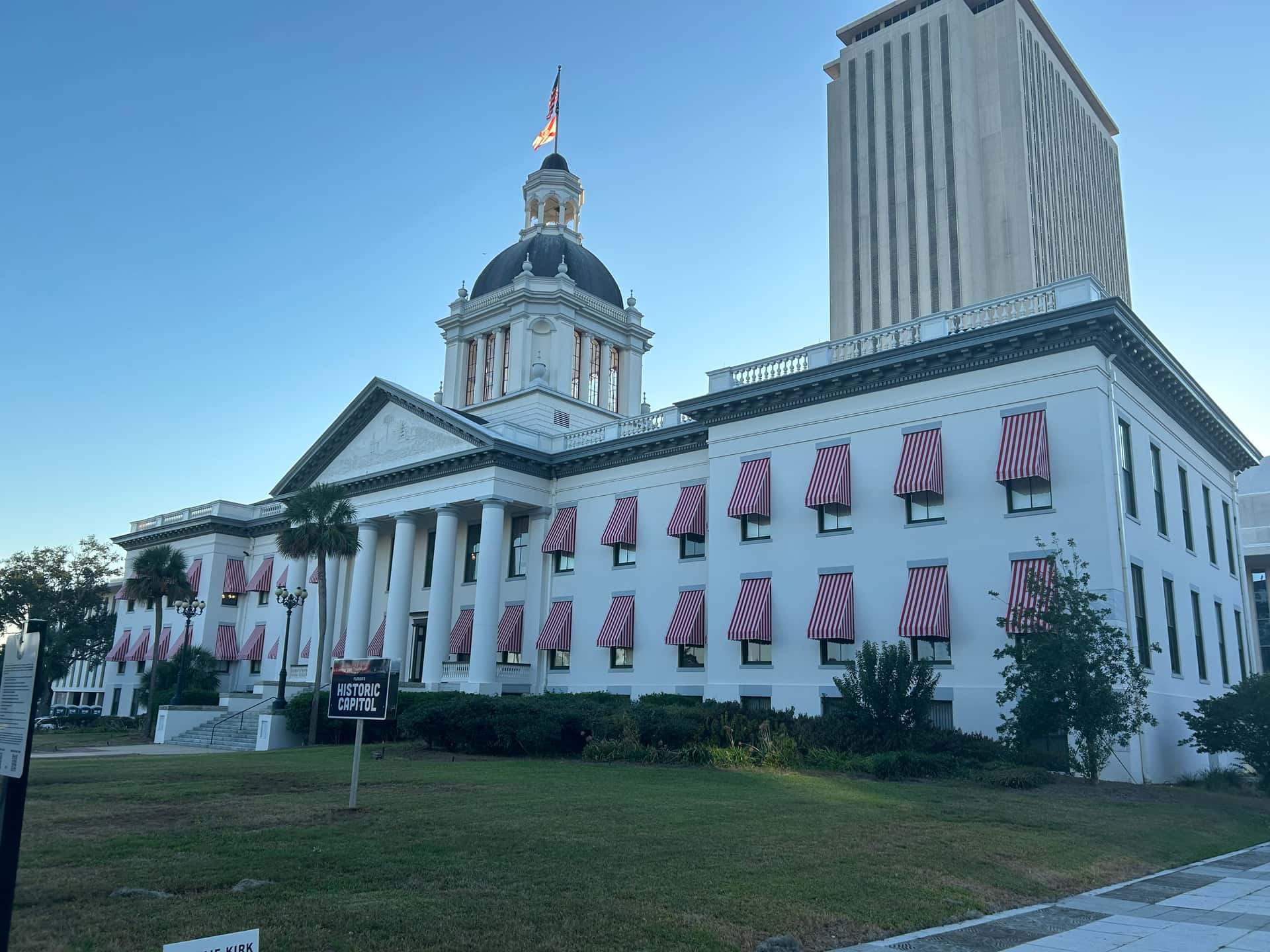
Florida Attorney General James Uthmeier announced on June 22, 2026, that his office has opened a formal investigation into Major League Baseball over alleged religious discrimination, serving the league with a subpoena that demands records on how it enforces its messaging and conduct rules. The action places one of the country's largest sports organizations under the scrutiny of Florida's chief legal officer, and it ties a national controversy directly to a state that hosts two big-league clubs and roughly 15 spring training franchises every year.
The probe centers on accusations that MLB applied its rules selectively, applauding some ideological messages while reprimanding Christian expression. According to the attorney general's office, the subpoena seeks documents that could show whether the league treated comparable forms of player speech differently depending on the viewpoint expressed. No findings have been issued, and the matter remains an open inquiry rather than a determination of wrongdoing.
For Florida, the stakes reach beyond a single dispute. The state's religious-liberty politics have made it a frequent venue for clashes over speech, faith, and corporate policy, and the attorney general framed the case as a test of whether a major employer can enforce its rules in a viewpoint-neutral way. The investigation also touches on MLB's substantial economic footprint in Florida, where the sport draws fans and tourism dollars across multiple regions.
What Sparked the Investigation
The inquiry follows a widely reported episode involving three San Francisco Giants pitchers, including Landen Roupp, who were warned by the league after writing Bible verses on their caps during a Pride Night game. The team wore rainbow-themed colors for the event, and the verse the players cited was Genesis 9:12-16, the passage describing the rainbow as the sign of God's covenant. The league's warning to the players became the focal point of the controversy.
Critics of the league's response argued that the rainbow imagery worn by the team for the promotional night carried its own message, and they questioned why a scriptural reference invoking the same symbol would draw a reprimand. The attorney general's office characterized the situation as one in which preferred messages were celebrated while a religious expression was singled out for discipline, a contrast it described as inconsistent with neutral enforcement.
In announcing the investigation, the attorney general said, in paraphrase, that if a league applauds favored ideological messages while reprimanding Christian expression, that is not neutral enforcement but religious discrimination that cannot stand in Florida. The office did not allege that any specific finding had been reached; instead, it said the subpoena was designed to gather the records needed to evaluate whether the league's practices crossed legal lines.
MLB has not been accused in a court of law, and the league retains the opportunity to respond to the subpoena and explain its enforcement decisions. The attorney general's office emphasized that the action is investigative, and that the documents sought would help determine whether the alleged disparity reflects a pattern or an isolated judgment call.
The Scope of the Subpoena
According to the attorney general's office, the subpoena's reach extends well beyond the single cap incident. It seeks records relevant to possible civil rights violations as well as potential deceptive and unfair trade practices in employment matters connected to the league's business operations, policies, and public commitments. That framing signals that investigators intend to examine the league as an employer and a commercial enterprise, not merely as the organizer of a promotional night.
Deceptive and unfair trade practices statutes in Florida give the attorney general broad authority to examine whether a company's conduct toward consumers or workers is misleading or inconsistent with its stated policies. By invoking that authority, the office signaled that it may probe whether the league's public representations about inclusion and even-handed treatment match its internal enforcement decisions. The civil rights dimension, meanwhile, focuses on whether religious expression was treated less favorably than other forms of speech.
The subpoena reportedly asks for internal communications, policy documents, and records describing how warnings and discipline are decided. Such materials, if produced, could reveal whether the league maintains written standards for player messaging and how those standards were applied across different cases. The office said the records are necessary to assess the alleged selectivity at the heart of the complaint.
Legal observers note that an investigation of this kind can unfold over months, with negotiations over the breadth of document requests and the possibility of challenges to the subpoena itself. At this stage, the central question is factual: whether the available records support the claim that comparable expressions were handled differently because of their religious content.
MLB's Business Footprint in Florida
The investigation lands in a state where Major League Baseball is a year-round presence. Florida is home to two MLB clubs, the Miami Marlins and the Tampa Bay Rays, and it hosts the Grapefruit League, the spring training circuit that brings about 15 franchises to ballparks across the peninsula each spring. That concentration of baseball activity gives the state a direct economic and civic interest in how the league conducts itself.
Spring training draws visitors from across the country to Florida communities, supporting hotels, restaurants, and local economies during the late-winter weeks before the regular season. The presence of so many clubs also means that league policies governing players, employees, and game-day promotions touch Florida venues repeatedly throughout the calendar. That footprint is part of why the attorney general's office framed the inquiry around the league's business practices in the state.
The two resident clubs add another layer. Both the Marlins and the Rays operate as Florida-based employers, and both participate in league-wide promotional and conduct frameworks. While the controversy that prompted the investigation involved a club from outside the state, the attorney general's authority to examine the league's practices stems in part from the league's extensive commercial activity within Florida's borders.
Florida officials have repeatedly signaled a willingness to scrutinize large national organizations that do business in the state, and the baseball inquiry fits that broader posture. For the clubs and the spring training host communities, the case raises the prospect of heightened attention to how league rules are written and applied, even as the underlying dispute remains unresolved.
Religious Liberty and Florida Politics
Religious-liberty questions have featured prominently in Florida's recent political debates, and the baseball investigation slots into that landscape. State leaders have positioned Florida as a place that protects expressions of faith in public life, and the attorney general's office cast the inquiry as consistent with that commitment. The framing connects a sports controversy to a wider argument about how private institutions treat religious speech.
Supporters of the investigation argue that workers and athletes should not face discipline for expressing religious beliefs when other viewpoints are accommodated or celebrated. They contend that even-handed treatment requires institutions to apply their rules without regard to the content of the message. From that perspective, the alleged disparity in the league's handling of the cap incident is the core concern.
Others caution that leagues and employers routinely set standards for what appears on uniforms and equipment, and that enforcing those standards is not by itself evidence of discrimination. The legal test will turn on whether the records show that similar conduct was treated differently because of its religious nature, rather than on broad characterizations of the dispute. The investigation is intended to surface that factual record.
The political resonance of the case is unmistakable in a state where faith and free expression are recurring themes in policy debates. By tying the inquiry to Florida's religious-liberty commitments, the attorney general's office framed the investigation as part of a larger effort to ensure that large organizations operating in the state apply their rules in a viewpoint-neutral manner.
What Comes Next
The immediate question is how Major League Baseball will respond to the subpoena. The league can comply by producing the requested records, negotiate over the scope of the demand, or contest aspects of it. The pace and substance of that response will shape how quickly the investigation moves and what information becomes available to investigators.
If the records are produced, the attorney general's office would review them to determine whether the alleged selective enforcement is supported by evidence. Any conclusion would come only after that review, and the office has been careful to describe the matter as an open inquiry without findings. The outcome could range from a decision to close the case to further legal action, depending on what the documents show.
For Florida's baseball communities, the spring training hosts, and the two resident clubs, the investigation introduces a period of uncertainty as the league's practices come under examination. Fans and local officials will be watching to see whether the inquiry affects the league's operations in the state or remains a narrow legal dispute. For now, the day-to-day business of baseball in Florida continues unchanged.
The case also signals that Florida's chief legal office intends to test how national organizations enforce their rules on speech and faith. Whatever the eventual result, the investigation has already drawn a line connecting a single on-field controversy to the broader debate over religious expression in American life, with Florida positioned at the center of that argument.
A Broader Pattern of State Scrutiny
The baseball inquiry fits within a wider posture in which Florida officials have shown a readiness to examine the conduct of large national institutions doing business in the state. From corporations to entertainment companies, the state has repeatedly asserted its authority to scrutinize practices it views as inconsistent with neutral treatment or with the commitments those organizations make to the public. The MLB investigation extends that approach to professional sports.
For an industry as deeply embedded in Florida as baseball, the prospect of state scrutiny carries practical weight. The Grapefruit League's spring training footprint, the two resident clubs, and the broader commercial relationships the league maintains in the state all create points of contact with Florida law. An inquiry framed around employment practices and trade-practices statutes reaches into the operational core of how the league does business within the state's borders.
Observers on both sides of the debate are likely to watch how the league responds, not only because of the specific allegations but because the outcome could shape expectations for how other organizations handle questions of viewpoint-neutral enforcement. A resolution that clarifies the boundaries of permissible discipline for player expression would carry implications well beyond the single cap incident that prompted the inquiry.
For now, the investigation underscores Florida's willingness to wield its legal authority in defense of what it describes as religious liberty. The attorney general's office has cast the case as a matter of ensuring even-handed treatment, and the coming months will reveal whether the records gathered through the subpoena support that framing or point toward a different conclusion.
Spotted an issue with this article?
Have something to say about this story?
Write a letter to the editor