Florida Condo Market Tilts Toward Buyers as Supply Builds
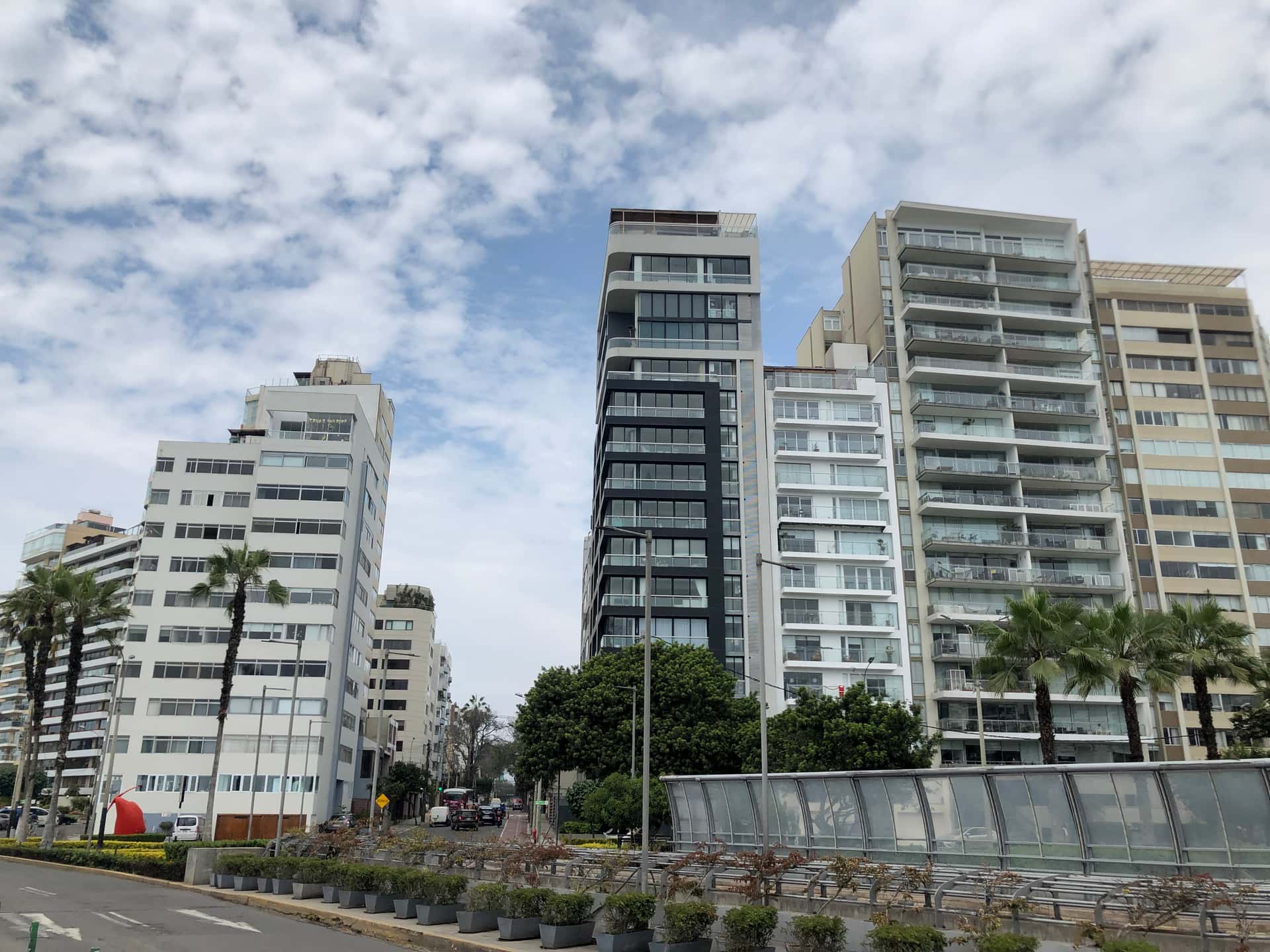
Florida's condominium market has moved decisively into buyer's territory, with statewide inventory now running at roughly 8.1 months of supply and price growth essentially flat. The statewide median condo price has risen about 1.7 percent over the past year, and in South Florida condo prices have actually declined, a divergence from the single-family market that is reshaping how buyers and sellers approach the state's housing market.
Real estate analysts generally treat six months of supply as the dividing line between a seller's market and a buyer's market. At 8.1 months statewide, and higher in parts of South Florida, the condo segment has passed that threshold by a meaningful margin.
The softening is not evenly distributed. Lower-priced condo communities, particularly older buildings, have repriced most sharply, while the higher end of the market has held up better. That split tracks closely with which buildings face the largest cost pressures from insurance and structural reserve requirements.
The two rules reshaping the market
Two regulatory changes have done more than any market cycle to reshape Florida's condo economics, and both reached full effect at the start of 2026.
The first is the milestone structural inspection requirement. Florida law now requires buildings three stories or higher to complete structural integrity inspections on a defined schedule. The requirement emerged from the legislative response to the Surfside collapse and is designed to identify structural deterioration before it becomes catastrophic.
The second is the reserve funding requirement. Condominium associations must now fully fund reserves for major structural components rather than waiving or underfunding them, a practice that had been widespread. Associations that had deferred reserve contributions for years faced the need to make up that gap quickly.
Together these changes produced special assessments at many buildings, in some cases substantial ones, along with significant increases in monthly association dues. For a buyer evaluating a unit, those costs sit alongside the mortgage payment and the property tax bill, and they can materially change what a household can afford.
Insurance costs compounding the picture
Property insurance has been the other persistent pressure. Condominium associations purchase master policies covering the building structure, and the cost of those policies flows through to owners as part of association dues.
Coastal buildings have faced the sharpest increases, reflecting both wind exposure and, in older buildings, construction characteristics that carriers view less favorably. Buildings that completed structural remediation have in some cases found better terms, but the up-front cost of that work is itself substantial.
There are signs of improvement at the broader market level. Citizens Property Insurance Corporation approved rate reductions for 2026, the first statewide average decrease for its personal lines policyholders since 2015, and several private carriers filed for decreases as well. Whether and how quickly those improvements reach condominium master policies is a separate question from what individual homeowners see.
How the single-family market compares
The contrast with single-family housing is striking. Single-family home sales in Florida are running at their strongest pace since 2023, and the single-family segment remains closer to balance between buyers and sellers than the condo segment.
The reason is structural rather than cyclical. Single-family homeowners carry their own insurance and maintain their own property, which means they face those costs directly but are not exposed to a shared association's deferred maintenance decisions or to special assessments driven by a building's collective history.
Buyers who might once have chosen a condominium for affordability are increasingly finding the total monthly cost, including dues and assessments, comparable to or higher than a single-family alternative in some markets. That shift in relative value has redirected demand.
Where the softening is sharpest
South Florida shows the most pronounced effects. Miami-Dade, Broward and Palm Beach counties hold Florida's largest inventory of condominium units, including a substantial stock of buildings constructed in the 1970s and 1980s that now face both inspection requirements and reserve funding obligations.
Inventory levels in parts of South Florida run well above the statewide 8.1-month figure. Units in older buildings facing known assessments have in some cases sat on the market for extended periods or sold at meaningful discounts to comparable units in buildings with funded reserves.
Southwest Florida carries its own dynamic, with hurricane damage history and insurance availability weighing on certain coastal markets. The Tampa Bay region and Central Florida have generally seen milder condo softening, reflecting both newer inventory and different insurance exposure.
What it means for Floridians
For buyers, the shift creates genuine opportunity but requires substantially more diligence than a single-family purchase. The critical documents are the association's reserve study, its most recent milestone inspection report, its budget, and the minutes of recent board meetings, which often disclose assessments under discussion before they are formally levied.
A unit priced attractively may carry a pending assessment that eliminates the apparent discount. Conversely, a building that has already completed its inspection, funded its reserves and absorbed its assessment may represent better value than its price suggests, because the largest uncertainty has been resolved.
For current owners, particularly retirees on fixed incomes in older buildings, the situation is harder. Some owners face assessments they cannot readily pay in buildings where resale value has declined. This has been one of the more difficult consequences of reforms that most housing professionals nonetheless consider necessary.
The Surfside legacy
The regulatory framework reshaping Florida's condominium market traces directly to the June 2021 collapse of Champlain Towers South in Surfside, which killed 98 people and became one of the deadliest structural failures in American history.
Investigation of the collapse identified deteriorated structural elements and a history of deferred maintenance, including a documented engineering assessment years earlier that had identified significant damage. The building's association had faced the cost of remediation and had not completed it.
The Legislature's response addressed both halves of that failure. The milestone inspection requirement ensures that structural condition is assessed on a defined schedule by qualified professionals. The reserve funding requirement ensures that money exists to act on what inspections find.
Those measures command broad support among engineers, housing professionals and safety advocates. The market disruption they have produced is generally understood as the cost of correcting decades during which Florida allowed associations to waive reserve funding, a practice that kept dues artificially low while deferring obligations onto future owners.
What buyers should examine
Due diligence on a Florida condominium purchase now requires reviewing documents that most buyers a decade ago never requested. The critical items are specific and obtainable.
The milestone inspection report, where the building has completed one, states what the structural assessment found. A building with a clean report carries materially different risk than one with identified deficiencies awaiting remediation.
The structural integrity reserve study establishes what the association must fund and over what period. Comparing that study to the association's actual reserve balance shows whether the building is on track or facing a gap.
Board meeting minutes from the preceding year frequently disclose assessments under discussion before they are formally levied. A buyer who reads minutes may learn about a pending obligation that does not yet appear in any formal disclosure.
Florida law requires sellers and associations to provide certain documents to prospective buyers, and the statutory disclosure period gives buyers a window to review them. Using that window fully is the single most valuable step in a condominium transaction.
The rental and investor picture
Condominium units held as rentals face the same cost structure without the homestead protections available to primary residences. Owners of non-homesteaded property pay higher effective tax rates and receive no homestead exemption.
Amendment 3 on the November ballot would change part of that calculation by lowering the assessment growth cap on non-homestead property from 10 percent to 5 percent. That would benefit investors holding units long term, though it would not affect the insurance and assessment costs that have driven most of the recent pressure.
Short-term rental operators face an additional layer of local regulation that varies by jurisdiction. Several Florida municipalities restrict short-term rentals in condominium buildings, and association bylaws frequently impose their own limits.
What it means for the broader market
Condominiums represent a substantial share of Florida's housing stock, particularly in coastal counties, and they have historically served as the entry point for first-time buyers and the downsizing option for retirees.
A segment under pressure at both ends of that pipeline has consequences beyond the units themselves. First-time buyers priced out of condominiums face single-family homes at higher price points. Retirees unable to sell a condominium at an acceptable price stay in place, which reduces turnover in the segment above them.
Housing economists generally expect the disruption to resolve as buildings complete their inspection and reserve funding obligations and the associated uncertainty clears. The timeline for that resolution depends on how quickly associations work through the requirements, which varies substantially by building age, size and financial position.
What's next
Mortgage rates remain a factor across the entire housing market. The average 30-year fixed rate stood at 6.76 percent in Freddie Mac's survey for the week ending September 10, up slightly from the prior week. Forecasters generally expect rates to hold broadly flat to modestly lower through the fall.
The condo market's path depends substantially on how quickly the inventory of buildings facing assessments works through the system. Once a building has completed inspection and funded reserves, its cost profile stabilizes, and analysts expect the discount applied to such units to narrow as that uncertainty clears.
The Legislature has revisited condominium law repeatedly since 2021, and further adjustments in the 2027 session are plausible. Proposals have circulated around financing mechanisms that would let associations spread reserve funding over longer periods, though any change would need to balance affordability against the structural safety objectives that prompted the original reforms.
Spotted an issue with this article?
Have something to say about this story?
Write a letter to the editor