Florida Marks America's 250th Birthday With a Liberty Bell Replica and a Long Holiday Weekend
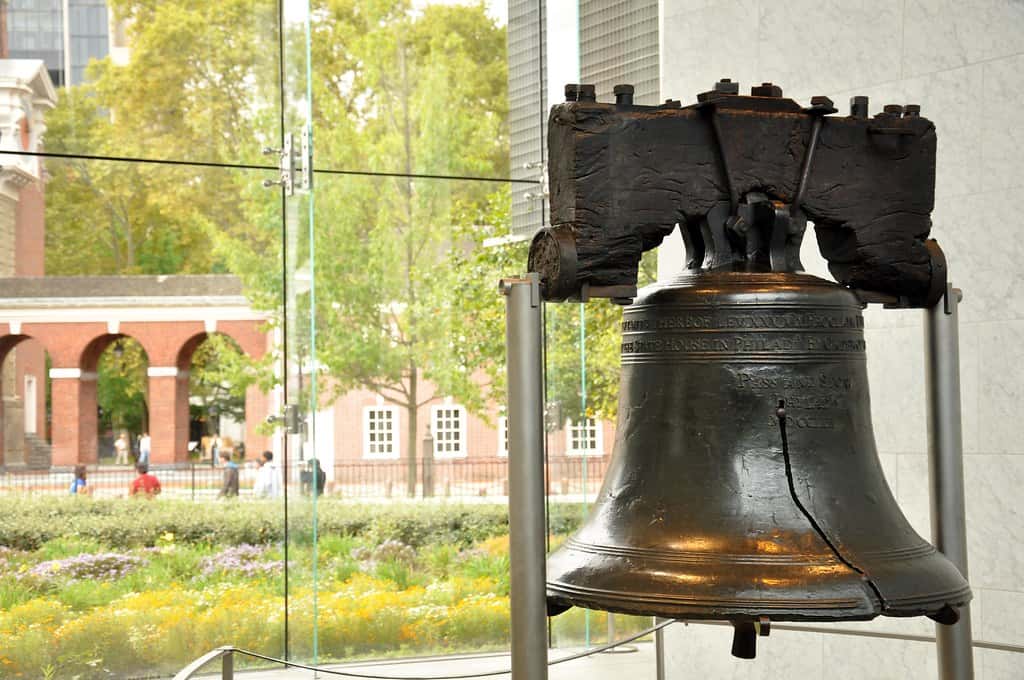
Florida is marking the 250th anniversary of American independence this July Fourth weekend with a mix of symbolism and celebration, headlined by the unveiling of the state's official Liberty Bell replica and an extended holiday for state employees. The commemorations tie Florida into a national milestone, the semiquincentennial, that the country is observing throughout 2026.
Governor Ron DeSantis unveiled Florida's official Liberty Bell replica in Liberty County, giving one of America's most recognizable symbols of freedom a home in the state as the nation reflects on two and a half centuries since the signing of the Declaration of Independence in 1776. The placement in Liberty County adds a fitting geographic note to the tribute, pairing the bell that stands for American freedom with a county whose very name evokes the same ideal.
The unveiling arrives at a moment when communities across the country are looking for ways to mark an anniversary that comes only once every quarter millennium. For Florida, the bell offers a durable, physical symbol around which residents can gather, one that will outlast the fireworks and cookouts of a single holiday weekend and remain as a reminder of the milestone the nation reached in 2026.
A replica with symbolic weight
The Liberty Bell, whose original hangs in Philadelphia, has long stood as an emblem of American freedom, its famous crack and inscription familiar to generations of schoolchildren. Replicas of the bell exist in each state, a tradition dating to a mid-20th century program that distributed full-size copies to promote civic engagement and the sale of savings bonds. Those replicas have since become fixtures at state capitols and civic sites, quietly carrying the symbolism of the original across the country.
By formally unveiling Florida's official replica during the 250th anniversary year, state officials connected the local tribute to the broader national commemoration. The choice of Liberty County, a small, rural county in the Florida Panhandle, lends the gesture a resonance rooted in the county's name and its place in the state's geography. Placing the bell in one of Florida's least populous counties also draws attention to a corner of the state that seldom features in national conversation, momentarily linking a rural community to a milestone the entire nation is observing.
Symbolic tributes like the bell unveiling are a common feature of major anniversaries, offering communities a tangible focal point for reflection. For Florida, a state that has grown rapidly and welcomed millions of new residents in recent years, the commemoration also serves as a shared civic touchstone across a diverse and expanding population. Many of those newcomers arrived from other states and countries, and a common civic ritual offers a point of connection that reaches across the differences among them.
The bell also carries an educational dimension. Anniversaries provide an occasion for teachers, museums, and civic groups to revisit the story of the nation's founding, and a physical replica gives that story a concrete anchor. As the semiquincentennial year unfolds, the bell in Liberty County stands as an invitation to reflect on the ideas that the original was meant to represent.
Because the replica is a permanent installation, its significance is not confined to a single weekend of ceremony. Long after the anniversary year passes, it will remain accessible to residents and visitors who travel to Liberty County, a fixture that ties this rural corner of the Panhandle to the enduring symbolism of the original bell in Philadelphia. In that sense, the unveiling is both a commemoration of a specific milestone and the establishment of a landmark meant to endure for years to come.
Extra days off for state workers
Alongside the symbolic events, the governor announced additional days off for state employees to mark the holiday weekend. State offices were closed Thursday, July 2, and are scheduled to be closed Monday, July 6, bracketing the July Fourth holiday and giving state workers an extended break to observe the nation's 250th birthday. The arrangement effectively stretched the observance across several days rather than confining it to the Fourth itself.
Extended holiday closures for state workers are a periodic gesture, and tying them to the semiquincentennial underscores the significance officials have attached to the anniversary. The closures affect state government operations, meaning some services pause during the long weekend, a routine consequence of official holidays. Residents who need to conduct business with state agencies during the break generally plan around such closures, which are announced in advance.
For the tens of thousands of Floridians employed by the state, the additional days translate into a longer window to travel, gather with family, or attend local Independence Day events. The timing, spanning a weekend already anchored by the Fourth of July, creates one of the longer holiday breaks on the state calendar this year. For workers with families spread across Florida or beyond, the extra days ease the logistics of travel during one of the busiest periods of the summer.
The gesture also reflects the way governments use holidays to signal what they consider worthy of collective attention. By formally extending the break in honor of the 250th anniversary, state leaders framed the milestone as more than an ordinary Fourth of July, positioning it as a moment deserving of special recognition across the workforce that keeps state government running.
The Florida context
Florida's celebrations unfold against the backdrop of a state deeply woven into American history, from its Spanish colonial founding of St. Augustine in 1565, the oldest continuously occupied European-established settlement in the continental United States, to its role in the space program and modern national politics. That layered history gives the state a distinctive vantage point on the nation's 250 years, one that predates the Declaration of Independence itself by more than two centuries.
The semiquincentennial has prompted communities nationwide to plan commemorations, and Florida cities and counties are expected to hold parades, fireworks displays, and civic ceremonies over the holiday weekend. Local governments typically coordinate public safety and event logistics for the large crowds that gather around Independence Day, particularly at beaches and waterfront venues popular in the summer heat. From the Panhandle to the Keys, communities put their own stamp on the holiday while joining in the same national observance.
Florida's tourism economy also intersects with the holiday. The Fourth of July draws visitors to theme parks, beaches, and coastal towns, and the long weekend is one of the busier travel periods of the summer. That influx supports hospitality businesses across the state even as it strains roads and public spaces. For many Florida communities, the holiday is both a civic occasion and an economic one, filling hotels, restaurants, and attractions during a peak stretch of the season.
The convergence of history, tourism, and rapid growth gives Florida a particular character as it marks the anniversary. A state that traces European settlement to the 16th century is also one of the fastest-changing places in the country, and the semiquincentennial arrives as Florida continues to absorb new residents and redefine itself. That blend of deep roots and constant change frames how the state approaches a milestone rooted in the nation's founding.
What it means for Floridians
For residents, the weekend blends civic observance with the practical rhythms of a summer holiday. Families plan cookouts and outings, communities host fireworks, and the extended state closures give public employees additional time off. The Liberty Bell unveiling offers a lasting marker of the anniversary that will remain after the weekend passes, a permanent reminder set against the fleeting festivities of a single holiday.
Safety is a recurring theme around the Fourth of July in Florida. Authorities routinely urge caution with fireworks, remind boaters and swimmers to be careful in the summer heat and afternoon thunderstorms common this time of year, and increase patrols on roadways during a weekend that historically sees heavy traffic. The state's warm climate means outdoor celebrations require attention to hydration and sun exposure, and the combination of water activities, crowded highways, and holiday gatherings makes safety messaging a regular feature of the weekend.
The commemorations also invite reflection on civic history at a moment when the nation reaches a rare milestone. Anniversaries like the 250th prompt schools, museums, and local organizations to highlight the events and ideas that shaped the country, offering Floridians of all backgrounds a shared moment to consider the nation's founding. In a state where so many residents arrived from elsewhere, that shared reflection can serve as a bridge across the many communities that now call Florida home.
For longtime residents and newcomers alike, the weekend carries a dual character: it is at once a national civic milestone and a familiar summer tradition. The pairing of the two, formal commemoration alongside backyard celebration, captures how such anniversaries tend to be experienced, woven into the ordinary rhythms of a holiday rather than set apart from them.
What's next
The semiquincentennial observances will continue through 2026, with additional events likely as the year progresses. The July Fourth weekend represents a high point, but the broader anniversary provides an ongoing occasion for civic programming across Florida and the country. The Liberty Bell replica now stands as a permanent reminder of the milestone, remaining in place long after the year of celebration ends.
As the long weekend winds down and state offices reopen, Florida returns to its summer routines under the ongoing heat and the watch of hurricane season. For a few days, though, the state joined the rest of the nation in marking a milestone that comes only once every quarter millennium, pairing symbolic gestures with the familiar traditions of an American Independence Day.
The months ahead will bring further opportunities to mark the anniversary as communities, schools, and civic groups continue their programming. Whether through additional ceremonies, exhibits, or educational efforts, the semiquincentennial will remain a thread running through Florida's public life in 2026, a year in which the state balanced its everyday concerns with a rare occasion to reflect on 250 years of American independence.
Spotted an issue with this article?
Have something to say about this story?
Write a letter to the editorComments
No comments yet. Be the first to weigh in.
Related Coverage
Walt Disney World Turns 55 With Castle Remarks and a Record Construction Pipeline
21h ago

Disney Cruise Line Sets Oct. 7 Reveal for Disney Believe Homeport
3d ago

Orlando's Theme Park Market Cools Even as Epic Universe Fills Its First Full Year
5d ago
Orlando's Theme Park Balance Shifts as Universal's Epic Universe Reshapes the Market
Sep 25