Collier County Reports Three More Measles Cases as Florida Stays Among Top States
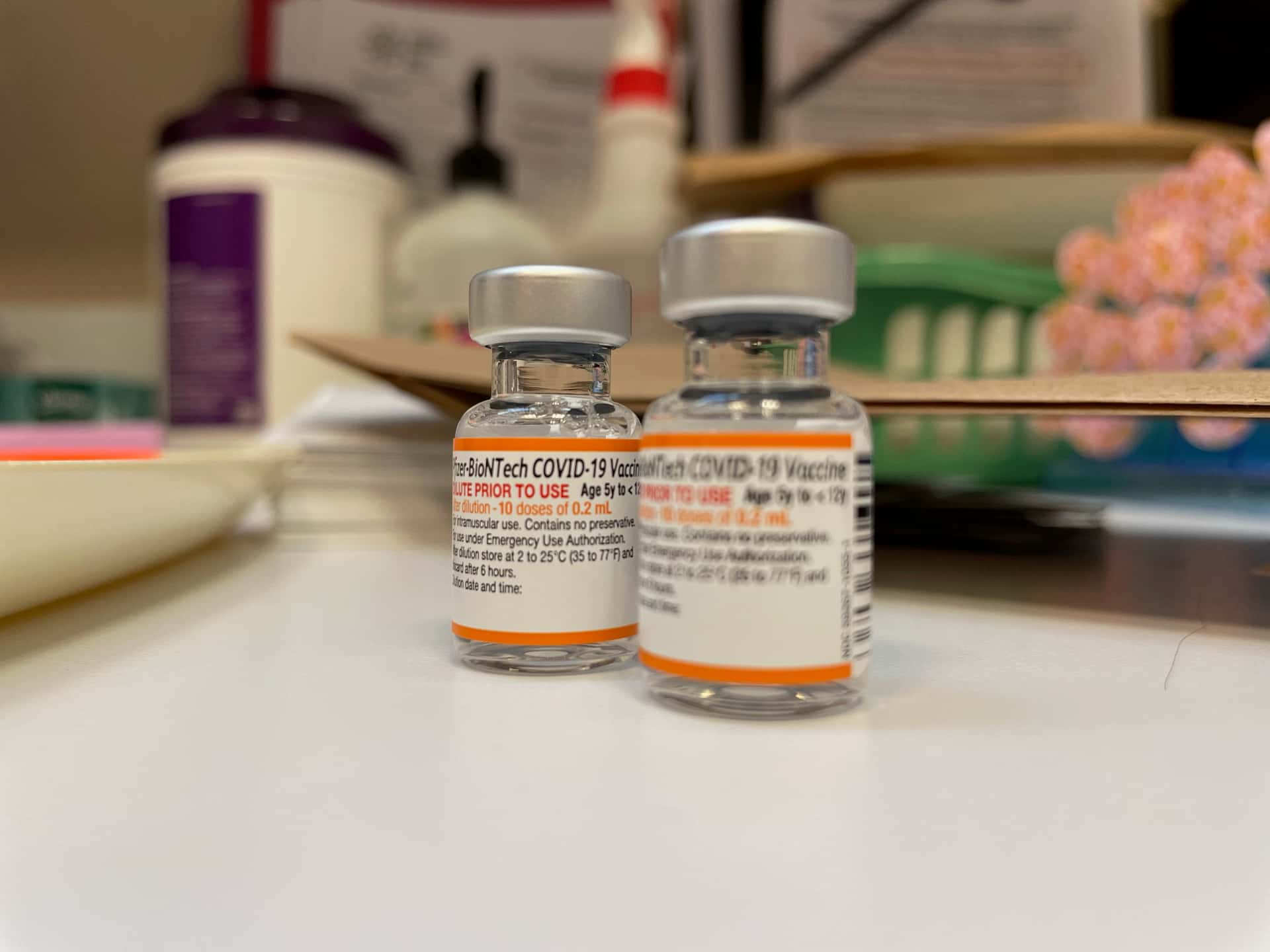
Collier County has reported three additional measles cases, extending activity in the Southwest Florida county that was the epicenter of the state's outbreak earlier this year. The cases reported for the September 6 through 12 period involve two adults and one child under the age of four, according to state surveillance data. Florida ranks fourth among states for 2026 measles infections, behind South Carolina, Utah, and Texas, in a year when the United States has recorded its highest national case count in decades.
Where the cases stand
The three new Collier County cases were identified during the September 6 through 12 reporting week. Two involve adults and one involves a child under four years old, an age group that carries elevated risk of complications from measles infection.
Collier County's involvement is not new. The county was the epicenter of a Florida outbreak earlier in 2026 that centered largely on students at Ave Maria University, a small Catholic institution in the eastern part of the county. That cluster drove a substantial share of the state's case count for the year.
In August, three children under the age of four tested positive for measles in Immokalee, the farmworking community in eastern Collier County. That cluster was geographically and demographically distinct from the university outbreak, which is what makes continued transmission in the county notable.
The September cases mean the county has now seen activity across multiple settings and populations over an extended period. Sustained transmission in a single county over months is a different public health picture from a contained outbreak that resolves.
Florida in the national picture
As of September 17, 2026, the Centers for Disease Control and Prevention had recorded 3,471 confirmed measles cases in the United States for the year. That figure represents the highest national total in decades and reflects transmission across multiple states rather than a single large outbreak.
Florida's fourth-place ranking puts it behind South Carolina, Utah, and Texas. The composition of those four states varies considerably in population, geography, and vaccination coverage, which suggests the national pattern reflects pockets of undervaccination rather than a uniform decline.
The Pan American Health Organization has warned of increased measles activity across the region, a signal that the United States outbreak is not occurring in isolation. Measles is among the most transmissible human viruses, and regional circulation raises the likelihood of importation into communities with coverage gaps.
Florida's position on this list is a change from the pattern of recent years, when the state recorded few or no cases in most reporting periods. The shift has drawn attention to county-level vaccination coverage, which varies substantially across the state.
Why measles spreads the way it does
Measles is exceptionally contagious. The virus can remain airborne in a room for up to two hours after an infected person leaves, and an infected person can transmit it to roughly nine out of ten susceptible people they come into close contact with.
That transmissibility is why public health guidance sets the community immunity threshold for measles higher than for most other vaccine-preventable diseases. Roughly 95 percent coverage is generally cited as the level needed to interrupt sustained transmission in a population.
Infected people are contagious for about four days before the characteristic rash appears and for about four days after. That pre-symptomatic window is a significant driver of spread, because transmission occurs before anyone knows to isolate.
Complications are most common in children under five, adults over 20, pregnant people, and people with compromised immune systems. Pneumonia is the most frequent serious complication in children, and encephalitis, while rare, can cause permanent neurological damage.
The local response
Healthcare Network is offering measles testing and vaccination at its patient care centers in Collier County. The organization operates community health centers serving populations across the county, including Immokalee, which positions it to reach the communities where cases have appeared.
The Florida Department of Health maintains measles guidance and surveillance reporting, and county health departments coordinate contact tracing when cases are identified. That work involves identifying who an infected person was near during the contagious period and determining their vaccination status.
Post-exposure prophylaxis is available and can prevent or reduce the severity of illness. The measles, mumps, and rubella vaccine given within 72 hours of exposure can prevent infection in some cases, and immune globulin within six days can help in others.
Public health response to measles is labor-intensive relative to the number of cases. A single case can generate dozens of contacts requiring assessment, which is why sustained low-level transmission imposes a continuing burden on county health resources.
What it means for Floridians
For the large majority of Florida residents, vaccination provides durable protection. Two doses of the measles, mumps, and rubella vaccine are approximately 97 percent effective at preventing measles, and protection is generally lifelong.
The people at meaningful risk are those who are unvaccinated, incompletely vaccinated, or unable to be vaccinated for medical reasons. Infants under 12 months are typically too young for the first routine dose, which makes them dependent on the immunity of those around them.
Parents uncertain about their children's vaccination status can check with their pediatrician or through Florida SHOTS, the state immunization registry. Adults who are unsure whether they received two doses can also ask a provider about verification or testing for immunity.
Travelers face an additional consideration. Measles circulates in many countries, and international travel is a common route of importation. Public health guidance generally recommends that infants six through eleven months receive an early dose before international travel, followed by the routine doses on schedule.
Southwest Florida's particular exposure
Collier County combines several features that affect transmission dynamics. It has a substantial agricultural workforce concentrated in Immokalee, a university community in Ave Maria, and a large seasonal population that swells during winter months.
Agricultural communities often face barriers to routine preventive care, including work schedules, transportation, and access to providers. Those barriers affect vaccination coverage independently of any individual decision about vaccines.
The seasonal population adds a different dynamic. Winter arrivals increase population density and mixing in ways that could affect transmission if cases continue into the season, though seasonal residents as a group tend to have high vaccination coverage.
Neighboring Lee County and the broader Southwest Florida region share health care networks and commuting patterns with Collier, which means transmission does not respect county boundaries. Regional surveillance is therefore more informative than county-level counts alone.
What health officials recommend
The core recommendation is unchanged: two doses of the measles, mumps, and rubella vaccine, the first typically at 12 to 15 months and the second at four to six years. Catch-up schedules exist for older children and adults who missed doses.
People who develop fever, cough, runny nose, red eyes, and a rash should contact a health care provider by phone before arriving at a clinic or emergency department. Calling ahead allows the facility to take precautions that prevent exposure in waiting rooms, which have been a documented transmission setting.
Anyone who believes they may have been exposed and is not confident in their vaccination status should contact their county health department or a provider promptly, because the window for effective post-exposure intervention is measured in days.
How the year's outbreak developed
Florida's 2026 measles activity did not begin in September. The Ave Maria University cluster earlier in the year established the county as the state's principal site of transmission, and it followed a pattern seen in other outbreaks nationally, where a close-knit residential community with a coverage gap allows rapid spread once the virus is introduced.
University settings are particularly favorable to measles transmission. Students live in shared housing, attend classes in enclosed rooms, and mix continuously across social groups. Once a susceptible population exists in that environment, a single introduction can generate a large number of secondary cases within two incubation periods.
The August cases in Immokalee represented a different situation. Three children under four, in a farmworking community some distance from the university, indicated that transmission had reached a population with its own access barriers rather than remaining confined to the original cluster.
The September cases involving two adults and a child continue that pattern of spread across settings. Public health officials generally treat sustained transmission across distinct populations as evidence that community-level susceptibility, rather than a single introduction event, is driving the outbreak.
The coverage question
Kindergarten vaccination coverage has declined nationally over recent years, with the share of children receiving required immunizations falling below the threshold epidemiologists associate with interrupting measles transmission. Exemption rates have risen in parallel across many states.
Coverage is not uniform within states. Statewide averages can sit near the target while individual counties, school districts, or communities fall well below it, and measles finds those pockets reliably. A county at 90 percent overall coverage may contain schools at 70 percent.
Florida publishes immunization data through the Department of Health, and county-level figures are the more informative measure for assessing local risk. Parents can consult those figures alongside their own children's records when weighing exposure risk in a given community.
The policy response to declining coverage is contested in ways the clinical questions are not. The effectiveness and safety profile of the measles vaccine is well established in the medical literature, while the questions about school requirements, exemptions, and outreach are matters of state policy on which Florida officials and public health organizations have not always agreed.
What's next
The Florida Department of Health publishes weekly surveillance data, and Collier County's trajectory over coming reporting periods will indicate whether the September cases represent the tail of the earlier outbreak or a new chain of transmission.
Nationally, the CDC continues to update its case count, and the trajectory of the 2026 total will determine whether the United States retains its measles elimination status, which requires the absence of continuous transmission for more than twelve months.
For Florida, the practical question is whether county-level vaccination coverage improves in the communities where cases have clustered. Outbreak response can contain individual chains of transmission, but only coverage prevents the next one from starting.
Spotted an issue with this article?
Have something to say about this story?
Write us a letterComments
No comments yet. Be the first to weigh in.
Related Coverage

Florida ABA Therapy Providers Say Molina Has Not Paid Them Since Taking Over Children's Medical Services Plan
1d ago

Moffitt Opens 250,000-Square-Foot Cancer Research Center at Speros Campus in Pasco County
1d ago

DeSantis Says Florida Fentanyl Deaths Fell Nearly 60% Since 2023, Crediting State's Trafficking Crackdown
4d ago
Miami Archbishop Thomas Wenski Accuses AG James Uthmeier of 'Classic Bullying' Over Catholic School Vaccine Rules
4d ago