Florida Red Tide Holds at Background Levels Along Southwest Coast as Officials Watch Summer Conditions
Florida's notorious red tide is holding at background levels along the state's southwest Gulf coast, according to monitoring by state wildlife officials, offering relief to coastal communities that have repeatedly endured the bloom's damaging effects. Recent sampling detected the organism that causes red tide at low concentrations, with no fish kills or respiratory irritation linked to the bloom reported during the latest monitoring period.
The Florida Fish and Wildlife Conservation Commission tracks the bloom, formally known by the algae Karenia brevis, through regular water sampling along the Gulf coast. The current readings stand in sharp contrast to severe blooms in past years that killed marine life, fouled beaches, and triggered health warnings for residents and tourists alike. For many longtime residents, the memory of those harsher seasons remains vivid, a reminder of how quickly favorable conditions can give way to disruption when a bloom takes hold.
For a region whose economy and quality of life depend on clean beaches and healthy waters, the low readings are welcome news heading into the heart of the summer tourist season. But scientists caution that red tide conditions can change quickly, and the bloom's threat to Florida's beloved manatees remains a year-round concern. The calm of the present moment, in other words, is best understood as a reprieve rather than a resolution, one that state monitoring is designed to track closely.
What the latest sampling shows
Recent monitoring detected Karenia brevis at background concentrations in a limited number of samples along the southwest coast, including in Pinellas County. Background levels are the lowest category of detection, indicating the organism is present but not at concentrations associated with the visible, harmful blooms that disrupt coastal life. Karenia brevis is a regular presence in Gulf waters, and its detection at low levels is not unusual; the distinction that matters to coastal communities is whether those low levels remain stable or begin to climb.
Crucially, officials reported no fish kills suspected to be related to red tide and no widespread reports of respiratory irritation during the latest sampling window. Those are the symptoms residents and visitors most associate with active blooms, when dead fish wash ashore and airborne toxins cause coughing and eye irritation along the coast. The absence of those signals is a meaningful indicator that the bloom is not currently exerting pressure on the nearshore environment.
State scientists emphasize that red tide is dynamic and influenced by winds, currents, and nutrient conditions. A bloom can intensify when offshore concentrations are pushed toward shore by prevailing winds, so the current calm does not guarantee the coast will stay clear through the summer. The variability is part of what makes red tide so difficult to predict; readings can differ from one stretch of coastline to the next and from one week to the next, which is why officials sample repeatedly rather than relying on a single snapshot.
The threat to manatees
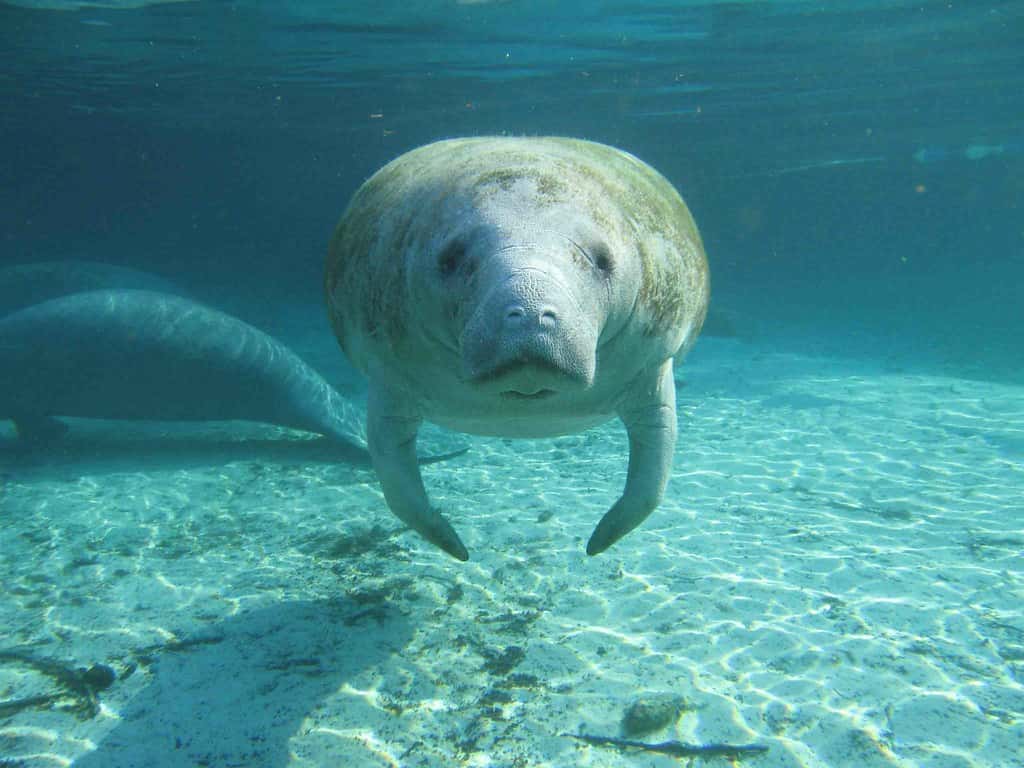
Red tide poses a particularly serious danger to Florida manatees, the gentle marine mammals that are a symbol of the state's waterways. The toxins produced by Karenia brevis can coat the seagrass and vegetation manatees eat, and after ingesting the toxin, manatees can become paralyzed and drown. Because manatees graze for hours each day on submerged vegetation, they are especially exposed to toxins that accumulate on the plants they depend on.
Large blooms compound the danger by reducing light penetration in the water, which can stunt the growth of seagrass beds that serve as the manatees' primary food source. The combination of acute poisoning and long-term habitat damage has made red tide one of several pressures threatening the species. A single severe event can therefore harm manatees in two ways at once, poisoning individual animals while degrading the habitat the broader population relies on to survive.
Manatees have faced significant challenges in recent years, including episodes of starvation tied to seagrass loss in parts of the state. Conservationists watch red tide closely because a severe bloom can deliver a sudden blow to a population already stressed by habitat decline and other environmental factors. The current background readings are reassuring on this front, but the stakes explain why even low-level detections draw careful attention from wildlife officials and the researchers who study the animals.
The Florida context
Red tide is a naturally occurring phenomenon in the Gulf of Mexico, but scientists say its frequency, duration, and severity can be worsened by nutrient pollution. Inputs of nitrogen and phosphorus from sources such as fertilizer runoff and wastewater can feed blooms once they form, intensifying their impact along the coast. While red tide originates offshore through natural processes, the nutrients available in nearshore waters can determine how large and how persistent a bloom becomes once it arrives.
Southwest Florida's geography makes it especially vulnerable. Communities along the coast from the Tampa Bay area south through Sarasota, Manatee, Lee, and Collier counties sit directly exposed to Gulf conditions, and blooms can move in quickly when winds and currents align. The same shallow, sunlit waters that make the region's beaches and estuaries so productive can also provide conditions that allow a bloom to flourish once it reaches the coast.
The economic stakes are substantial. Severe red tide events have closed beaches, deterred tourists, and hurt businesses that depend on coastal recreation and fishing. Local governments and the state invest in monitoring and cleanup, and researchers continue to study mitigation strategies for when blooms turn severe. For a region where tourism and waterfront living anchor the economy, the health of the Gulf is not an abstraction but a direct measure of the area's prosperity, which is why even quiet periods are tracked so closely.
What it means for residents and visitors
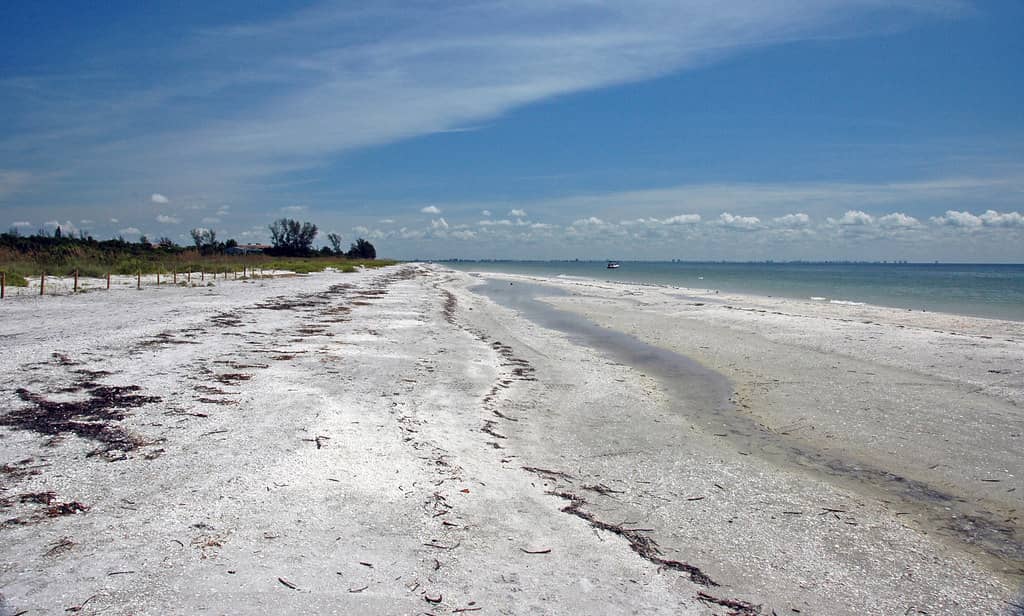
With red tide currently at background levels, residents and tourists along the southwest coast can generally expect normal beach conditions, though officials encourage the public to check current reports before heading to the water. Conditions can vary by location and change over the course of days, so a clear beach in one community does not necessarily mean every stretch of coastline is unaffected.
People with respiratory conditions such as asthma are advised to be especially attentive to red tide reports, since airborne toxins from active blooms can aggravate breathing problems even at the beach. When blooms are present, staying away from affected areas is the simplest precaution. Families planning summer outings to the Gulf coast can reduce uncertainty by reviewing the latest sampling information before they travel, particularly when visiting from out of the area.
Anglers and boaters are also affected, since blooms can kill fish and disrupt local ecosystems. The current low readings mean fewer disruptions for now, but the state's monitoring network exists precisely because conditions can shift with little warning during the warm months. For the charter operators and bait shops that depend on a steady season, the difference between background levels and a full bloom can mean the difference between a busy summer and a lost one.
How the state monitors the bloom
Florida maintains an extensive monitoring program that relies on regular water sampling along the Gulf coast, with results updated to inform the public and guide local responses. The data allows officials and communities to track where the organism is present and at what concentrations, building a picture over time that helps distinguish a passing fluctuation from the early stages of a developing bloom.
Partner organizations, universities, and local governments contribute to the monitoring and research effort, studying the conditions that drive blooms and exploring ways to reduce their impact. That work has grown in importance as coastal development and water-quality concerns intersect with the recurring threat of red tide. The collaboration also reflects the reality that no single agency can sample the entire coast on its own, making shared data essential to an accurate regional view.
Reducing nutrient pollution is widely viewed as a key long-term strategy, since cleaner water can limit the fuel available to sustain blooms. Efforts to improve wastewater infrastructure and manage runoff are part of broader water-quality initiatives across the state. Those measures address red tide only indirectly, but advocates argue that healthier coastal waters give the region its best defense against the worst outcomes when a bloom does form.
A recurring test for the Gulf coast
Red tide has become a defining environmental challenge for southwest Florida, one that recurs with enough frequency to shape how communities think about their relationship to the water. Each season brings the same underlying uncertainty: whether the year will pass with little disruption or whether a bloom will settle in and linger. That pattern has pushed local leaders, scientists, and residents to treat preparedness as an ongoing obligation rather than a response to a single crisis.
The recurring nature of the threat has also shaped public expectations about transparency. Residents have come to rely on accessible, frequently updated information so they can make decisions about beach trips, fishing, and outdoor activity. That demand for clear communication has reinforced the value of the state's monitoring network, which serves not only as a scientific tool but as a public resource that coastal communities consult throughout the warm months.
The broader significance for Floridians lies in how the region's environmental health intertwines with daily life and livelihood. A quiet red tide season supports tourism, protects wildlife, and reassures residents, while a severe one tests the resilience of communities and the systems built to respond. The current background readings represent the favorable end of that spectrum, but they sit within a longer story of vigilance that defines the Gulf coast's relationship with the bloom.
What's next
State scientists will continue sampling Gulf waters through the summer, watching for any signs that the bloom is intensifying or spreading toward shore. The current background readings could persist, or conditions could change with shifts in wind and water circulation. Either way, the monitoring will provide the early warning that coastal communities depend on to prepare for whatever the season brings.
Conservationists will keep a close eye on manatee health and seagrass conditions, mindful that a severe bloom could threaten a species already under pressure. The interplay between red tide, water quality, and habitat remains a central concern for Florida's environment, linking the fate of an iconic species to the broader health of the Gulf coast ecosystem.
For now, the low readings offer a measure of reassurance to coastal communities heading into peak tourist season. Residents and visitors are encouraged to stay informed through state monitoring reports, which provide the most current picture of conditions along Florida's Gulf coast. As the summer unfolds, that steady flow of information will remain the region's most reliable guide to whether the calm holds or the familiar threat returns.
Spotted an issue with this article?
Have something to say about this story?
Write a letter to the editor