Florida's Expanded Atlantic Red Snapper Season Closes June 20 After Historic State Takeover
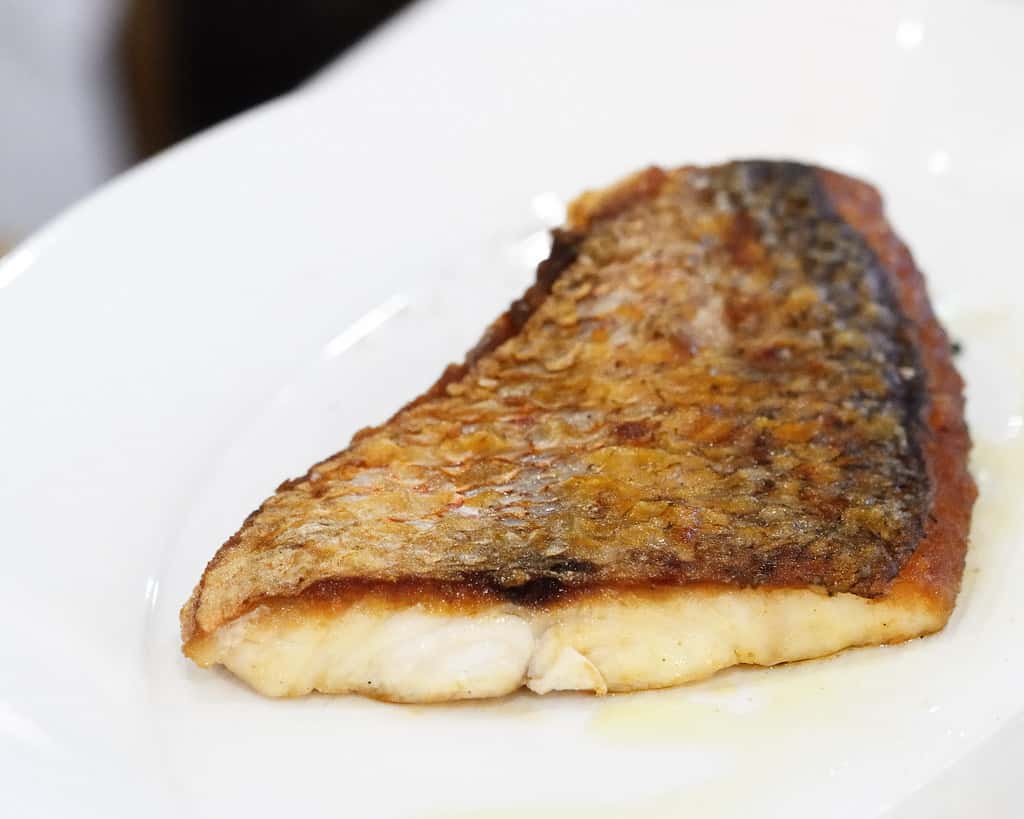
Florida's summer Atlantic red snapper season closes June 20, capping a dramatically expanded run that anglers along the state's east coast have celebrated as a long-awaited win. The season is the first conducted under Florida's new authority to manage the recreational Atlantic red snapper fishery, a shift state officials have touted as a major expansion of fishing access.
The expanded season marks a sharp departure from prior years, when the federal Atlantic red snapper season was limited to just a handful of days. Under the new state-managed framework, Florida implemented a far longer season, a change officials say reflects the health of the fishery and the state's commitment to expanding opportunities for anglers. For a fishery that had long been defined by scarcity of access, the difference amounts to a fundamental change in how anglers can plan their summers.
For Florida's vast community of recreational anglers and the coastal businesses that depend on them, the change is significant. Red snapper is one of the most prized catches in the region, and a longer season translates into more time on the water, more charter trips, and a boost for the marine economy along the Atlantic coast. The closing of the summer window therefore marks not an ending but a milestone in a season that delivered far more opportunity than anglers had grown accustomed to expect.
What changed this year
Florida implemented a 39-day Atlantic red snapper season for 2026, a dramatic increase from the two-day federal season allowed the previous year. The summer portion ran from late May through June 20, with additional fishing opportunities scheduled on three-day weekends in October. The contrast between a two-day window and a season measured in weeks captures just how restrictive the previous arrangement felt to anglers who had watched abundant fish go untargeted.
The expansion followed federal approval of Florida's plan to assume management of the recreational Atlantic red snapper fishery in both state and federal waters. State officials, including Governor Ron DeSantis and the Florida Fish and Wildlife Conservation Commission, framed the change as a milestone in giving Florida more control over a resource central to its outdoor culture. The transfer of management authority represented years of advocacy from anglers and state leaders who argued that decisions about the fishery should rest closer to the waters and communities affected by them.
On the Gulf side, Florida set an even longer recreational red snapper season spanning 140 days, described by officials as the longest Gulf season since the state assumed management of that fishery. Together, the Atlantic and Gulf seasons represent a substantial expansion of access compared with the tightly restricted federal seasons of the past. The dual expansion underscores how central red snapper has become to the state's approach to managing its signature recreational fisheries.
The Florida context
Recreational fishing is woven deeply into Florida's identity and economy, supporting charter operators, bait and tackle shops, marinas, and coastal tourism. Red snapper, with its size and table quality, is among the most sought-after species, and access to it has been a recurring source of frustration when seasons were short. The state markets itself as a fishing destination, and few species carry the prestige and demand that red snapper does among the anglers who travel for the chance to land one.
For years, anglers complained that federal seasons were far too brief, sometimes lasting only a day or two, despite their own observations of abundant fish. The push for state management reflected a belief that Florida could tailor seasons more closely to local conditions and the realities anglers experience on the water. That disconnect between what anglers saw on the water and the limits imposed on them became a defining grievance, fueling the campaign to shift authority to the state.
State officials have presented the expanded seasons as evidence that Florida's stewardship can both protect the fishery and broaden access. The arrangement gives the state a larger role in setting the rules for one of its signature fisheries, a responsibility that comes with the obligation to manage the resource sustainably. With that authority comes accountability, and the durability of the expanded seasons will depend on whether the state can demonstrate that broader access and a healthy fishery can coexist.
What it means for anglers
For recreational anglers, the practical effect has been far more time to target red snapper during the summer, with additional fall weekends still to come. The longer season offers flexibility that short federal windows never did, allowing anglers to plan trips around weather and personal schedules rather than racing to fish in a narrow window. That flexibility also reduces the pressure to head offshore in marginal conditions, a safety benefit that anglers and captains alike have long sought.
Anglers are reminded that the season operates under bag limits, size requirements, and gear rules designed to keep the fishery sustainable. As the summer season closes June 20, those targeting red snapper will need to wait for the scheduled October weekends or pursue other species in the interim. The interim months still offer ample opportunity along Florida's coasts, where a wide range of species keeps anglers on the water regardless of the red snapper calendar.
The rules and dates can be technical, and the state encourages anglers to confirm current regulations before heading out. Sustainable harvest depends on compliance with the limits that accompany the expanded access, ensuring the fishery remains healthy enough to support future seasons. Officials have stressed that the privilege of a longer season carries a shared responsibility, with the cooperation of individual anglers central to keeping the arrangement intact.
The economic angle
The expanded seasons carry real economic weight for coastal Florida. Charter captains, who sell trips built around prized species like red snapper, benefit from longer windows that let them book more clients and offer more reliable opportunities to land a sought-after catch. For a charter business, the difference between a two-day season and a multi-week one can reshape an entire summer of bookings and revenue.
Beyond charters, the ripple effects reach bait shops, fuel docks, restaurants, and lodging in coastal communities. Recreational fishing draws visitors and supports jobs, making fishery access not just a recreational issue but an economic one for towns along both coasts. In smaller coastal communities especially, the spending that follows a strong fishing season can be a meaningful share of the local economy during the summer months.
Officials have emphasized that expanding access is intended to deliver these benefits while maintaining the long-term health of the fishery. The balance between maximizing opportunity and ensuring sustainability is at the heart of fishery management, and the new state-run seasons will be watched as a test of that balance. The economic case for expansion rests on the assumption that the fishery can support it, which is why the underlying health of red snapper populations remains the central question.
Sustainability and oversight
State management of the fishery comes with responsibility for monitoring the health of red snapper populations and adjusting seasons and limits as needed. The Florida Fish and Wildlife Conservation Commission plays a central role in setting and enforcing the rules that govern the harvest, a task that grows more consequential as the state takes on authority once held at the federal level.
Sustainable management relies on data about fish populations, harvest levels, and the broader marine ecosystem. As Florida exercises its expanded authority, the quality of that data and the responsiveness of management decisions will shape whether the longer seasons can be maintained over time. Robust data collection becomes especially important when seasons expand, since a larger harvest demands a clearer picture of what the fishery can sustain.
Conservation-minded anglers and scientists alike will be paying attention to how the state balances access with the need to protect the resource. The credibility of state management depends on demonstrating that expanded fishing opportunity does not come at the expense of the fishery's future. The early years of state oversight will effectively serve as a proving ground for the argument that local management can deliver both abundance and access.
A test case for state fishery management
Florida's takeover of the recreational Atlantic red snapper fishery is being watched well beyond the state's anglers, in part because it offers a real-world example of what state-level management can produce. For years, debates over fishery management have weighed the merits of federal oversight against arguments for local control, and Florida's expanded seasons place that question squarely before the public. The outcome could inform how other states and stakeholders think about who should govern shared marine resources.
The stakes of that test are high precisely because the expanded access is so popular. Should harvest levels prove unsustainable, the state would face the difficult prospect of tightening seasons after anglers and businesses have come to count on them, a politically and economically fraught step. Conversely, a record of healthy populations alongside generous seasons would strengthen the case that management tailored to local conditions can succeed where rigid federal limits frustrated those who depend on the fishery.
For Floridians, the significance extends beyond the fish themselves to a broader principle the state has championed: that those closest to a resource are best positioned to manage it. Whether the red snapper experiment validates that principle will depend on patient stewardship and honest accounting of the data over multiple seasons. The closing of the 2026 summer window is an early chapter in a story that will be measured in years, not months.
What's next
With the summer Atlantic season closing June 20, anglers can look ahead to the scheduled October weekends for additional red snapper fishing on the east coast. The Gulf season, with its much longer run, continues to offer opportunities on the other side of the state, ensuring that red snapper remains within reach for anglers willing to travel.
State officials are likely to evaluate the 2026 seasons as they plan for future years, using harvest data and population assessments to inform decisions. The first full year under expanded state management will provide a baseline for gauging the program's success, and the lessons drawn from it will shape the seasons that follow.
For Florida's anglers, the expanded seasons represent a meaningful change in access to a prized fishery. As the summer Atlantic season ends, the state's experiment in managing red snapper for both opportunity and sustainability moves into its next chapter, with anglers, businesses, and conservationists alike watching to see whether the early promise can be sustained.
Spotted an issue with this article?
Have something to say about this story?
Write a letter to the editor