DeSantis Names Ten Judges in a Single Day of Court Appointments
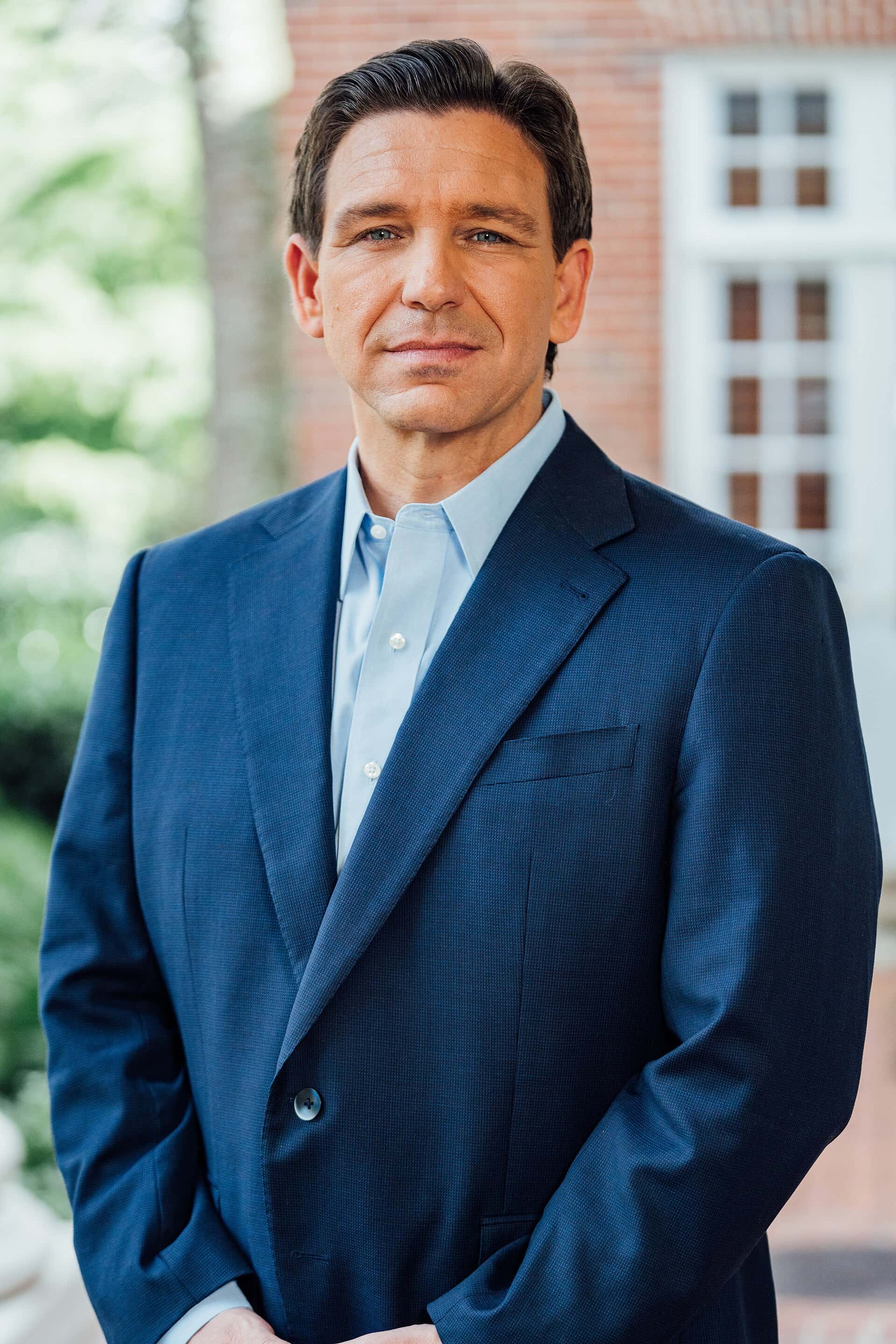
Governor Ron DeSantis announced ten judicial appointments on Thursday, September 11, filling seats across Florida's trial courts. Among them was David Arthmann of Fort Lauderdale, named to the Seventeenth Judicial Circuit Court, which covers Broward County. Arthmann has served since 2023 as general counsel for the Florida Department of Highway Safety and Motor Vehicles.
The batch is notable for its size and its timing. DeSantis is term limited and leaves office in January 2027 after the November general election, and appointments made now will shape Florida's trial courts for years beyond his tenure.
Judicial appointments rarely draw the attention that legislation or executive orders receive, but they touch more Floridians directly than most state policy does. Circuit and county courts handle the criminal cases, family law matters, foreclosures, probate, and civil disputes that make up the overwhelming majority of contact between residents and the judicial system.
How Florida fills judicial vacancies
Florida uses a merit selection system for appointments to fill vacancies. When a seat opens through retirement, resignation, elevation, or the creation of a new judgeship, a judicial nominating commission for that circuit screens applicants, conducts interviews, and forwards a slate of nominees to the governor.
Each of Florida's 20 judicial circuits has its own nominating commission, and there are separate commissions for the district courts of appeal and the Florida Supreme Court. Commission members are appointed by the governor, four directly and five from nominees submitted by the Florida Bar's Board of Governors, a structure adopted through legislation in 2001 that increased gubernatorial influence over the composition of the commissions.
The governor must select from the list the commission provides. That constrains the choice in form, though the constraint is limited in practice when the commission's membership reflects the appointing governor's preferences.
Judges appointed this way then stand for retention or election according to the rules for their court. Circuit and county judges in Florida face nonpartisan elections, and incumbents frequently run unopposed. Appellate judges and Supreme Court justices face merit retention votes.
What the Seventeenth Circuit handles
The Seventeenth Judicial Circuit serves Broward County, one of Florida's largest and busiest court systems. Its caseload spans felony and misdemeanor prosecutions, family law, juvenile dependency and delinquency, probate and guardianship, and a civil docket that includes commercial litigation and foreclosures.
Broward's population of roughly two million makes the circuit's throughput enormous. Trial court judges there routinely manage dockets of hundreds of active cases, and scheduling pressure shapes outcomes in ways that are invisible from outside the system.
Arthmann's background as general counsel at the Department of Highway Safety and Motor Vehicles is government practice rather than the criminal defense or prosecution track that many trial judges follow. Agency general counsel work typically involves administrative law, rulemaking, licensing disputes, and defending agency actions in court.
The cumulative reshaping of Florida's judiciary
DeSantis has appointed a substantial share of Florida's sitting judges over eight years in office, including all but one of the current Florida Supreme Court justices. That level of turnover is a function of tenure combined with retirements and the creation of new judgeships by the Legislature.
The effect compounds. Trial judges appointed early in a governor's tenure become candidates for appellate elevation later, which means the appointment pipeline shapes the higher courts over time as well.
Florida's judiciary has historically been less visibly partisan than the federal bench, in part because trial court elections are nonpartisan and because much of the work involves applying settled law to individual facts rather than resolving contested constitutional questions.
That said, Florida's courts have been the venue for significant disputes in recent years involving abortion access, ballot initiatives, education policy, and the scope of executive authority. Who sits on those courts matters for how those disputes resolve.
What it means for Floridians
For a resident involved in a case, the identity of the assigned judge affects everything from how quickly a matter is heard to how a sentencing discretion is exercised. Trial judges have significant latitude within statutory ranges, and practitioners in every circuit develop detailed knowledge of individual judges' tendencies.
For the general public, the more useful takeaway concerns accountability. Florida voters elect circuit and county judges, and those races appear near the bottom of the ballot where turnout drops sharply. A judge appointed today will likely appear on a ballot within two years, often unopposed, and will serve six year terms thereafter.
Voters who want to evaluate judicial candidates have fewer resources than for other offices, because judicial canons restrict what candidates may say about issues likely to come before them. The Florida Bar conducts judicial polls in some circuits, and local bar associations publish evaluations.
The transition ahead
Florida elects a new governor on November 3, 2026, with Republican Byron Donalds and Democrat David Jolly on the ballot. The winner inherits the appointment power in January 2027, along with whatever vacancies exist at that point.
Governors in their final months typically move to fill pending vacancies rather than leave them for a successor, which is consistent with a batch of ten appointments announced in September. The nominating commissions themselves also turn over on staggered terms, so the composition of those bodies will shift under the next administration.
The Legislature plays a role as well, because it creates new judgeships in response to caseload certifications from the Florida Supreme Court. Those certifications are made annually, and the Legislature funds some portion of them in the budget.
How Florida's court system is organized
Most Floridians encounter the court system without a clear picture of its structure, and that structure determines which judges handle what.
County courts are the entry point for most cases. They handle misdemeanors, traffic matters, evictions, and civil claims below a statutory dollar threshold. County judges are elected in nonpartisan countywide races to six year terms.
Circuit courts are the general trial courts and carry the heaviest caseloads. They handle felonies, family law, probate and guardianship, juvenile matters, and civil cases above the county court threshold. Florida has 20 judicial circuits, each covering one or more counties, with circuit judges elected in nonpartisan circuit wide races to six year terms.
District courts of appeal hear appeals from the circuit courts. Florida has six appellate districts, and their judges face merit retention votes rather than contested elections.
The Florida Supreme Court sits at the top, with seven justices who also face merit retention. Its jurisdiction is largely discretionary, with mandatory review in certain categories including death penalty cases and decisions declaring a statute invalid.
Appointments to fill vacancies occur at every level through the nominating commission process, which is why a governor serving two terms reshapes the entire structure rather than only its top.
The caseload pressure behind the appointments
Judicial vacancies are not evenly distributed, and where they occur reflects population growth and caseload patterns that have shifted substantially over the past decade.
The Florida Supreme Court annually certifies to the Legislature the number of additional judgeships it determines are needed, based on weighted caseload analysis that accounts for the time different case types require. The Legislature then decides how many to fund.
Certified need has consistently exceeded funded positions, which means Florida's trial courts operate with fewer judges than the court system's own analysis indicates are required. The consequence is longer time to disposition, compressed hearing schedules, and pressure toward settlement in civil cases and pleas in criminal ones.
Growth counties feel this most acutely. Circuits covering rapidly expanding areas in Central Florida and Southwest Florida have seen filings rise faster than judgeships, while some circuits with stable populations have comparatively manageable loads.
Case type composition matters as well. Foreclosure volume, which dominated civil dockets after 2008, has receded, while family law and dependency caseloads have remained heavy and are among the most time intensive matters a judge handles.
What judicial elections actually look like in Florida
Voters hold real authority over Florida's trial courts, and it is among the least exercised authority on the ballot.
Circuit and county judicial races are nonpartisan, meaning candidates appear without party labels. They are also frequently uncontested. A judge appointed to fill a vacancy often faces no opponent in the next election and is returned without a competitive race.
When races are contested, voters face an unusual information problem. Judicial candidates operate under canons that prohibit them from stating how they would rule on issues likely to come before them, which removes the substantive content that informs voting in other races.
The available substitutes are imperfect. Local bar associations conduct polls of practicing attorneys and publish results, which reflect the views of people who have appeared before the candidates. Those polls have limitations, including low response rates and the possibility that attorneys rate judges on how favorably they ruled rather than on competence.
Voter dropoff on judicial races is substantial. A significant share of voters who complete the top of the ballot leave judicial contests blank, which means a small number of informed voters can determine outcomes.
Merit retention votes on appellate judges and Supreme Court justices present a similar dynamic, with retention rates historically high and organized campaigns against retention rare.
What's next
The newly appointed judges will be sworn in and assigned to divisions by their circuits' chief judges, a process that typically takes weeks. Division assignments determine whether a judge handles criminal, civil, family, or probate matters.
The Executive Office of the Governor publishes appointment announcements with the appointee's background, and the Florida Bar's news service tracks judicial transitions. Both are public and are the most direct sources for residents following changes in their local courts.
Additional appointments are likely before January. Vacancies continue to arise through retirements, and nominating commissions across the state have active applicant pools. For Floridians, the practical action is simple and underused: find out who your circuit judges are before you have a reason to appear in front of one.
Spotted an issue with this article?
Have something to say about this story?
Write us a letterComments
No comments yet. Be the first to weigh in.
Related Coverage
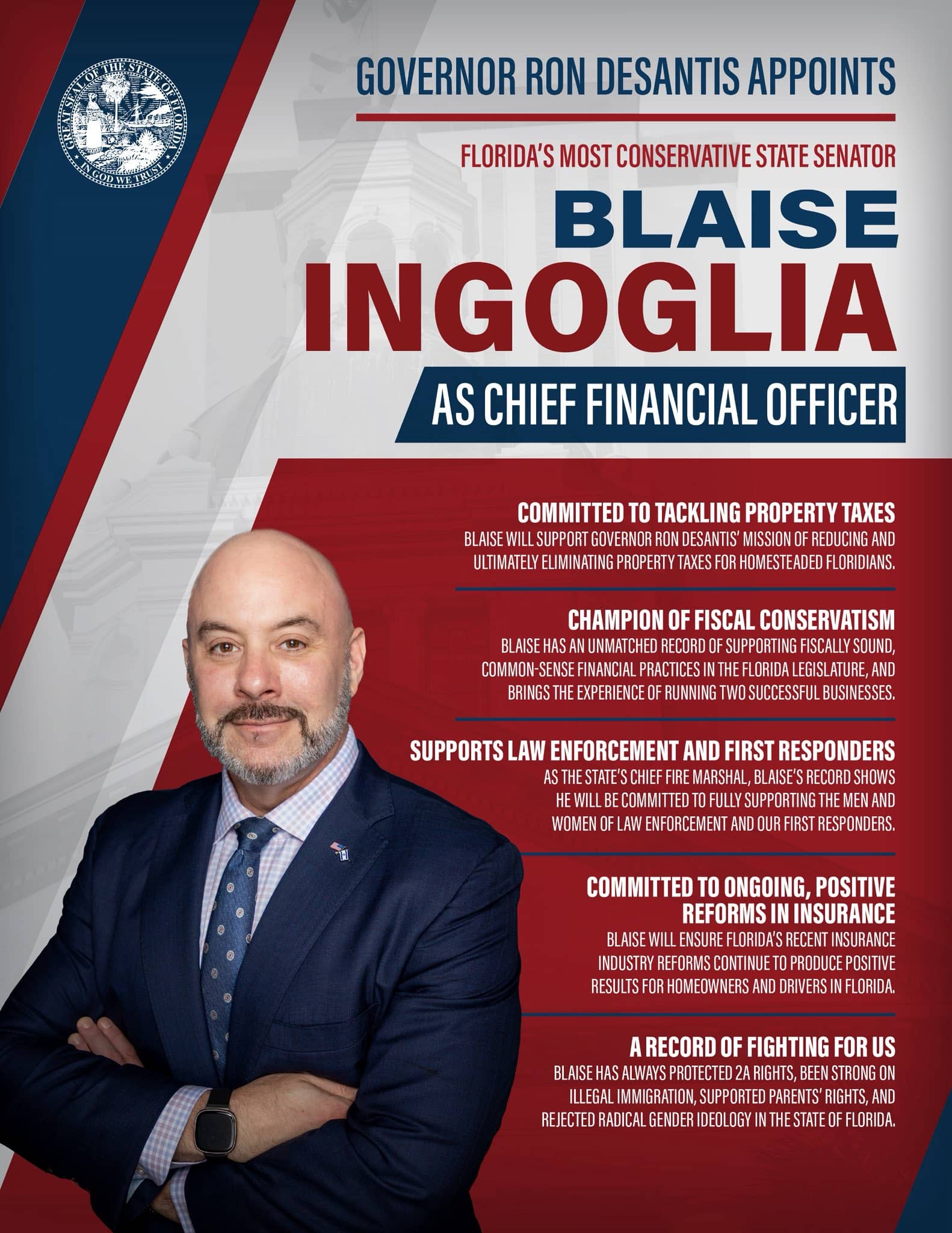
Florida Cabinet Races 2026: Uthmeier, Ingoglia and Simpson Face Democratic Challengers on Nov. 3
1h ago
Florida AG James Uthmeier Says He Wants to Go Beyond the Six-Week Ban, Presses Case Arguing Surrogacy Contracts Are Unconstitutional
1d ago

Harry Shorstein, five-term Jacksonville-area state attorney and juvenile justice reformer, dies at 86
2d ago

Pinellas commissioners set Oct. 27 vote on Vince Nowicki's Flock camera ban after Bob Gualtieri's fierce defense
2d ago