DeSantis Signs $117.6 Billion Florida Budget as Independence Day Weekend Begins

Governor Ron DeSantis signed Florida's roughly $117.6 billion budget for fiscal year 2026-27, finalizing the state's spending priorities just days before the Independence Day holiday weekend. The signing followed nearly $810 million in line-item vetoes, a tool Florida governors use to strike individual appropriations without rejecting an entire spending plan passed by the Legislature.
The budget takes effect at the start of the state fiscal year and governs how Florida allocates money for public schools, health care, transportation, environmental programs, law enforcement, and the operations of state agencies. For a state of more than 23 million residents, the annual appropriations act is the single most consequential document produced in Tallahassee each year, and it shapes services that touch nearly every Florida household. The plan is the product of months of negotiation, beginning with the governor's own budget recommendations and moving through committee hearings, floor debates, and closed-door conference talks between the House and Senate before it reaches the governor's desk.
Signing the budget on the eve of a national holiday added a symbolic backdrop to what is otherwise a technical act of governance. The timing meant that the state entered the Independence Day weekend with its fiscal blueprint for the coming year settled, allowing agencies to plan their operations without the uncertainty that lingers when a budget remains unsigned. In Florida, where the constitution requires a balanced budget, the completion of this process each year is a firm deadline rather than an open-ended debate.
What the budget funds
The spending plan directs money across the full range of state responsibilities. Public education, from kindergarten through the state university system, typically absorbs the largest share of general revenue, followed by health and human services programs such as Medicaid. Transportation, environmental restoration, and public safety round out the largest categories of spending in a typical Florida budget. Each of these areas carries its own constituencies, and the final figures reflect the priorities lawmakers chose to advance during the session.
According to the governor's office, the plan continues an emphasis on maintaining substantial reserves, a priority DeSantis has stressed throughout his tenure as a hedge against hurricanes, economic downturns, and other unexpected costs. Florida does not levy a personal income tax, which makes the state heavily reliant on sales tax collections tied to consumer spending and tourism, revenue streams that can swing sharply during a recession or after a major storm disrupts travel. That reliance places a premium on caution, because a downturn in either spending or visitation can quickly ripple through state coffers.
The budget also reflects the Legislature's decisions on teacher pay, environmental land acquisition, and infrastructure. Lawmakers negotiate these figures during the annual legislative session, and the final numbers represent a compromise between the House, the Senate, and the governor's own recommendations submitted earlier in the year. Because Florida's population continues to grow, funding formulas tied to enrollment, road usage, and demand for services must be recalibrated each cycle to keep pace with new residents arriving from other states and abroad.
Beyond the marquee categories, the budget funds a vast array of smaller but essential functions: the court system, state parks, prisons, professional licensing, and the day-to-day administration of agencies that residents interact with when they renew a license, apply for a permit, or seek assistance. These less visible line items collectively determine how efficiently state government serves the public throughout the year.
The role of the line-item veto
The nearly $810 million in vetoes gives the governor significant influence over the final shape of the budget even after the Legislature adjourns. Line-item vetoes commonly target local projects, sometimes called member projects, that individual legislators insert to benefit their districts. By striking them, a governor can redirect the conversation toward statewide priorities and preserve money for reserves. The scale of this year's vetoes signals the continued willingness of the governor's office to trim the plan lawmakers sent up rather than accept it wholesale.
Vetoes can also carry political weight. Legislators whose projects are removed may push to have them restored in future years, and the veto list often becomes a subject of negotiation heading into the next session. The governor's office frames the vetoes as fiscal discipline, while some local officials and lawmakers view individual cuts as setbacks for their communities. A community center, a road improvement, or a local water project struck from the budget can become a point of frustration for the district that requested it, even as the administration presents the reductions as prudent stewardship of taxpayer money.
Florida's constitution grants the governor this authority, and it stands in contrast to the federal system, where the president cannot veto individual line items within an appropriations bill. The tool has made Florida governors, including DeSantis, central players in budget outcomes rather than passive signers of legislative work. Over successive years, the pattern of what a governor chooses to strike and what to preserve becomes a running record of the administration's priorities, one that legislators study closely as they craft the next round of requests.
The Florida context
DeSantis has served as governor since January 2019, and his office described the budget as capping nearly eight years of what it called conservative fiscal leadership. Term limits prevent Florida governors from serving more than two consecutive four-year terms, meaning this budget cycle falls in the latter portion of his time in office. That framing positions the plan as part of a broader record the administration intends to leave behind rather than a standalone document.
The state's fiscal position has been shaped by rapid population growth, as new residents from other states and abroad continue to move to Florida. That growth expands the tax base but also increases demand for schools, roads, water infrastructure, and emergency services. Balancing those pressures against the state's no-income-tax model is a recurring challenge for budget writers, who must fund an ever-larger set of obligations without the revenue tools available in many other states.
Property insurance costs, housing affordability, and the long-term expense of hurricane recovery all loom over the state's finances. While the budget itself is an annual document, the decisions embedded in it, particularly the size of reserves and the level of recurring commitments, affect Florida's ability to respond to the next crisis without raising taxes or cutting services abruptly. Insurance in particular has been a persistent concern for Florida households, and the state's broader financial choices intersect with the stability of that market and the cost of living for residents.
Florida's economy is unusually exposed to forces outside the state's control, from the health of the national travel industry to the severity of a given hurricane season. A budget built with generous reserves is, in effect, an insurance policy against that volatility, and the administration has consistently pointed to the state's cushion as evidence of sound management. Critics counter that money held in reserve is money not spent on present needs, a tension that runs through every budget debate in Tallahassee.
What it means for Floridians
For residents, the budget determines the level of funding behind the public services they rely on most. Parents of school-age children are affected by per-student funding and teacher compensation. Drivers benefit from transportation dollars that maintain and expand highways in a state where traffic congestion is a persistent complaint. Families who depend on Medicaid or state health programs are directly touched by the health and human services portion of the plan. In practical terms, the abstract figures in the appropriations act translate into the size of a classroom, the condition of a road, or the availability of a medical service.
The emphasis on reserves also has practical consequences. A well-funded rainy day fund can help Florida avoid steep mid-year cuts if sales tax revenue falls short, and it provides a cushion for immediate storm response before federal disaster aid arrives. That matters in a state where a single major hurricane can generate billions of dollars in recovery costs, and where the ability to move quickly in the aftermath of a storm can determine how fast communities recover.
Environmental spending in the budget affects water quality, Everglades restoration, and coastal resilience, issues that carry both quality-of-life and economic weight given Florida's dependence on tourism and its vulnerability to flooding. Each of these line items translates, over time, into tangible outcomes for communities across the state. Clean water and healthy coastlines are not only environmental goals but economic assets in a state whose identity and livelihood are tied to its beaches, springs, and waterways.
Reaction and political stakes
Budget signings in Florida are closely watched by legislators, local governments, advocacy groups, and industry associations, each of which tracks whether its priorities survived the process. Education groups monitor per-pupil funding and teacher pay. Environmental organizations watch land conservation and restoration dollars. Local officials review which of their requested projects made the final cut and which were vetoed. In the days after a signing, these groups issue statements praising the wins and lamenting the losses, and the collective response shapes the political narrative around the plan.
The governor's framing of the budget as a capstone of fiscal discipline is consistent with the message he has emphasized throughout his tenure. Critics, including some Democratic legislators, often argue that the state could invest more in areas such as affordable housing, public school funding, and health coverage. Those debates typically resume when the next session begins and lawmakers start crafting the following year's plan. The budget thus functions as both a policy document and a political statement, and its reception falls along familiar lines in Tallahassee.
For the business community, the budget's treatment of infrastructure, workforce programs, and economic development carries direct consequences. Employers watch how the state invests in the roads, ports, and training programs that support commerce, while trade associations lobby to protect funding relevant to their industries. The plan's signals about the state's fiscal health also matter to bond markets and to the credit ratings that influence Florida's borrowing costs.
What's next
With the budget signed, state agencies now operate under the new spending levels for the fiscal year. Attention in Tallahassee will gradually shift toward the next legislative session, when the governor will submit fresh budget recommendations and lawmakers will begin the cycle again. Any special sessions called during the year could also adjust spending if circumstances, such as a major hurricane, require additional appropriations.
Floridians will feel the effects of the budget indirectly through the services around them, from classrooms to highways to environmental projects. The vetoed items may resurface as legislators seek to restore funding for local priorities. And the size of the state's reserves, a central theme of this budget, will be tested if the economy softens or a storm strikes during the current hurricane season, which runs through the end of November.
In the months ahead, agency leaders will implement the spending decisions embedded in the plan, translating line items into hires, contracts, and programs. As they do, the real-world consequences of the choices made in Tallahassee will come into focus, and the coming year will show whether the budget's emphasis on caution and reserves proves well suited to the pressures Florida faces in a season shaped by growth, weather, and an economy that never stops shifting.
Spotted an issue with this article?
Have something to say about this story?
Write a letter to the editorComments
No comments yet. Be the first to weigh in.
Related Coverage
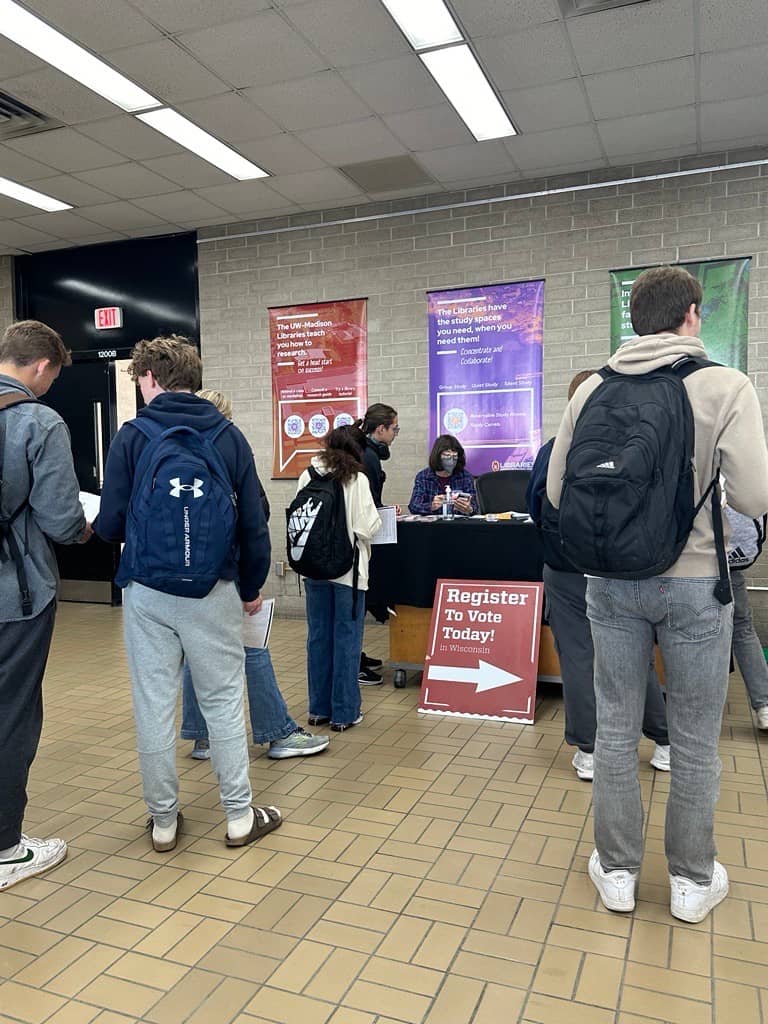
Florida's Voter Registration Deadline Is Monday as Democrats Edge GOP in September Sign-Ups
1h ago

DeSantis Touts $20 Billion Plan to Widen All 320 Miles of Florida's Turnpike, Adds Truck Parking and Plaza Upgrades
3h ago

Uthmeier Asks Highlands County Judge to Bar OpenAI From Offering ChatGPT to Florida Minors
19h ago

Twelve New Florida Laws Take Effect Oct. 1, From Nitrous Oxide Limits to a Career Offender Registry
20h ago