Venezuelan TPS Expiration Looms Over South Florida Families
About a quarter of a million Venezuelan immigrants in the United States are scheduled to lose Temporary Protected Status on November 7, a deadline that falls with particular weight on South Florida, home to the country's largest Venezuelan community. An estimated 350,000 or more Venezuelans live in the region, with tens of thousands holding TPS or having entered through the humanitarian parole program covering Cuba, Haiti, Nicaragua and Venezuela.
The termination follows a Supreme Court decision permitting the Department of Homeland Security to end the designation, along with the earlier move to wind down the CHNV parole program. Together the changes have altered the legal footing of a substantial portion of South Florida's most recently arrived immigrant population.
The deadline arrives four days after the November 3 election, in a region where the political alignment of Venezuelan American voters has been one of the more closely watched developments in Florida politics.
What Temporary Protected Status is
TPS is a form of humanitarian relief that allows nationals of designated countries to remain in the United States and work legally when conditions in their home country make return unsafe. Designations are made by the Secretary of Homeland Security based on armed conflict, environmental disaster or other extraordinary conditions.
The status is explicitly temporary and is granted for defined periods subject to renewal. It does not create a path to permanent residence on its own, though TPS holders may pursue other immigration options for which they qualify independently.
Venezuela received a TPS designation reflecting the country's political and humanitarian crisis, which has driven one of the largest displacement events in the Western Hemisphere. Millions of Venezuelans have left the country over the past decade.
The CHNV parole program operated separately, allowing nationals of four countries with U.S.-based financial sponsors to enter for a defined period with work authorization. That program was terminated in 2025.
What termination means practically
When a TPS designation ends, affected individuals lose both their protection from removal and their employment authorization on the termination date, unless they hold another valid status.
The practical consequences cascade quickly. Work authorization ends, which means employment must end. Driver's licenses in many states, including Florida, are tied to lawful status and can expire when status does. Access to certain financial services and to state programs may change.
Individuals who entered on parole and whose parole has been terminated face a similar situation. Immigration attorneys have described the resulting category as people who arrived through processes the government established and then discontinued.
Some affected individuals may qualify for other relief, including asylum for those able to establish a well-founded fear of persecution, family-based petitions, or employment-based options. Each pathway carries its own eligibility requirements and processing timelines, and immigration courts face substantial backlogs.
Why South Florida is the center
Venezuelan migration to the United States concentrated heavily in South Florida, building on established patterns and existing community networks. Doral in Miami-Dade County became the most visible center, with a Venezuelan population sufficient to reshape the city's commercial and cultural character.
Weston in Broward County developed a similar concentration, and Venezuelan communities extend through both counties. The businesses, restaurants, professional services and cultural institutions that community built represent a substantial economic presence.
That concentration means the November 7 deadline affects South Florida's economy directly. Employers across health care, construction, hospitality, logistics and professional services employ workers whose authorization ends on that date.
Many households contain members with different statuses. A family may include U.S. citizen children, a lawful permanent resident and a TPS holder, which means the deadline creates internal divisions within single households.
The political dimension
Venezuelan American voters in Florida have been a significant political constituency, and their alignment has been the subject of extensive analysis. The community's experience with the Venezuelan government produced strong support for candidates positioned against authoritarian leftist governments, which contributed to Republican gains in Miami-Dade County in recent cycles.
The termination of TPS and the parole program has complicated that alignment for some voters, creating tension between broader political affinity and direct personal consequence.
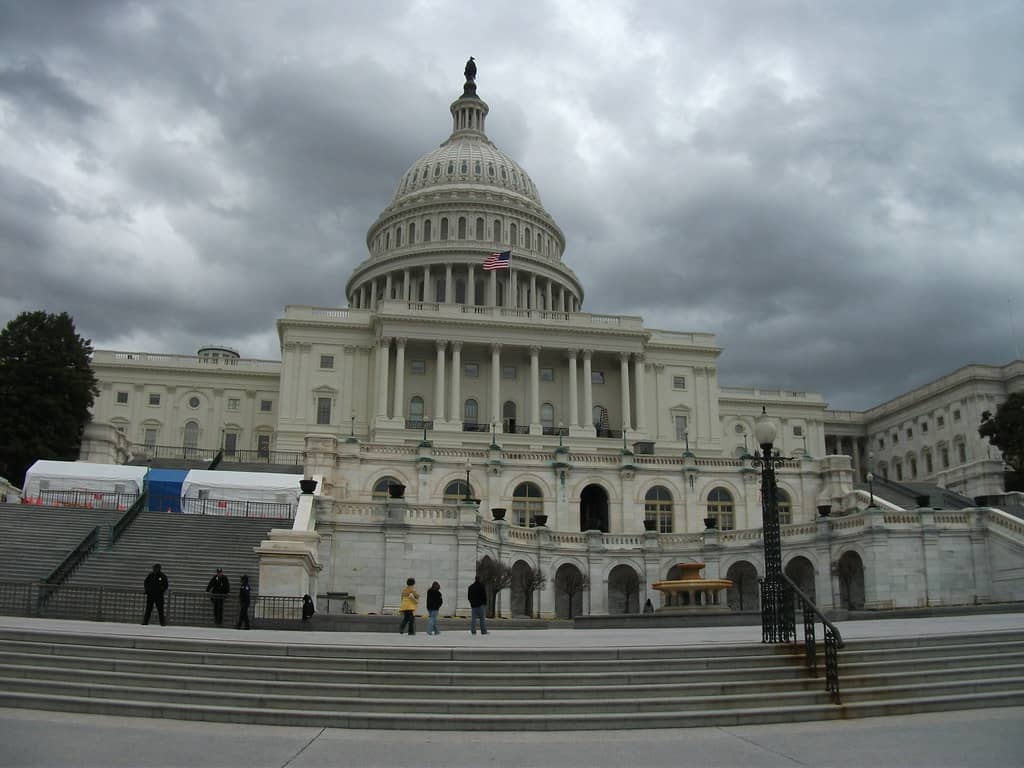
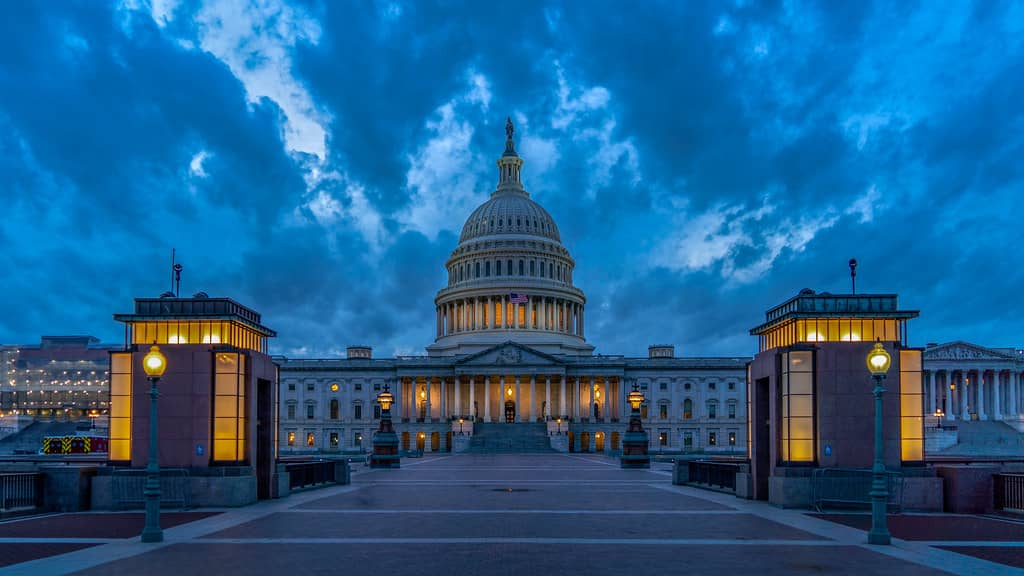
Florida's congressional delegation includes members representing districts with substantial Venezuelan populations, and several have engaged on the issue. What form any legislative response might take, and whether it could move before November 7, remains uncertain.
What affected families can do
Immigration attorneys and legal aid organizations consistently advise affected individuals to seek a consultation with a qualified immigration attorney or an accredited representative to assess whether any alternative form of relief applies.
South Florida has an extensive network of legal service organizations, including nonprofit providers and law school clinics, that offer assistance at reduced or no cost. Civil society organizations in the region have expanded legal aid capacity, informational workshops and rapid response networks in anticipation of the deadline.
Fraud is a documented risk. Individuals facing status loss are frequently targeted by people offering immigration services without authorization to provide them. Florida law restricts who may provide immigration legal advice, and affected individuals should verify credentials before paying for services.
Employers with affected workers face their own compliance obligations regarding employment authorization verification, and should consult employment counsel about their responsibilities.
How the CHNV program worked
The parole program covering Cuba, Haiti, Nicaragua and Venezuela operated on a different legal basis than TPS, and understanding the distinction clarifies why affected populations overlap without being identical.
Under the program, nationals of those four countries could apply from abroad with a U.S.-based financial sponsor. Approved applicants traveled by air rather than crossing the border and received parole for a defined period along with work authorization.
The program was designed to create a lawful pathway that would reduce irregular border crossings, and data during its operation showed declines in encounters involving nationals of the covered countries.
Its termination in 2025 ended new admissions and raised questions about the status of those already admitted, whose parole periods were set to expire on individual schedules.
Many individuals held both parole and TPS, or applied for TPS after arriving on parole, which means the two terminations compound for a substantial portion of the affected population.
The economic footprint
South Florida's Venezuelan community includes a substantial professional class, reflecting the composition of the migration. Engineers, physicians, attorneys, business owners and skilled tradespeople left Venezuela in significant numbers as conditions deteriorated.
That professional composition shaped where the community settled and what it built. Doral in particular developed a dense concentration of Venezuelan-owned businesses, from restaurants and bakeries to professional services firms and logistics companies serving trade with Latin America.
Employers across Miami-Dade and Broward counties employ workers whose authorization ends November 7, and human resources departments have been working through the compliance implications.
The broader South Florida economy has absorbed immigrant labor across health care, construction, hospitality and logistics, and disruption in any of those sectors has effects that extend beyond the affected workers.
Schools and children
Public schools serve students regardless of immigration status under longstanding federal law, and Miami-Dade and Broward county school districts enroll substantial numbers of students from Venezuelan families.
Many of those students are U.S. citizens by birth, which means the status question affects their parents rather than themselves. Mixed-status households face decisions that involve separating family members or relocating citizen children.
School districts have historically responded to enforcement pressure by reinforcing that campuses serve all enrolled students and by connecting families with community resources.
Counselors and social workers in affected schools have reported increased demand for support services during periods of immigration policy uncertainty, a pattern educators in South Florida have observed across multiple cycles.
How TPS decisions are made
The Secretary of Homeland Security holds the statutory authority to designate a country for Temporary Protected Status, to extend an existing designation and to terminate one.
Designations require a finding that conditions in the country prevent safe return, based on armed conflict, environmental disaster or other extraordinary and temporary conditions. Extensions require periodic review of whether those conditions persist.
Because the statute grants broad discretion to the Secretary, TPS decisions have historically been difficult to challenge in court. Litigation has generally focused on procedural questions rather than on the substantive assessment of country conditions.
The Supreme Court's decision permitting the termination to proceed reflected that framework, addressing the government's authority to act rather than evaluating conditions in Venezuela.
The regional context
Venezuela's displacement crisis is among the largest in the world, with millions having left the country over the past decade for destinations across South America, the Caribbean, North America and Europe.
Colombia, Peru, Ecuador, Chile and Brazil have absorbed the largest numbers, and several have implemented their own regularization programs of varying scope and durability.
The United States received a comparatively smaller share of that total, though the concentration in South Florida made the community highly visible within American politics.
Conditions inside Venezuela have been the subject of ongoing international assessment, and the question of whether return is safe has been answered differently by different governments at different times.
What's next
The November 7 date stands unless litigation or administrative action changes it. Legal challenges to immigration policy decisions have produced varied outcomes, and further court activity is possible.
Congressional action could provide relief, and proposals addressing the status of affected populations have been introduced in past sessions without advancing. The legislative calendar between now and November 7 is short, and Congress faces a December 11 funding deadline that will occupy substantial attention.
For South Florida, the practical effects will become visible in the weeks following the deadline, in employment, in school enrollment patterns and in the demand facing legal service providers across Miami-Dade and Broward counties.
Spotted an issue with this article?
Have something to say about this story?
Write a letter to the editor