Lawmakers Approve $250 Million for Emergency Agency Carrying Immigration Debt
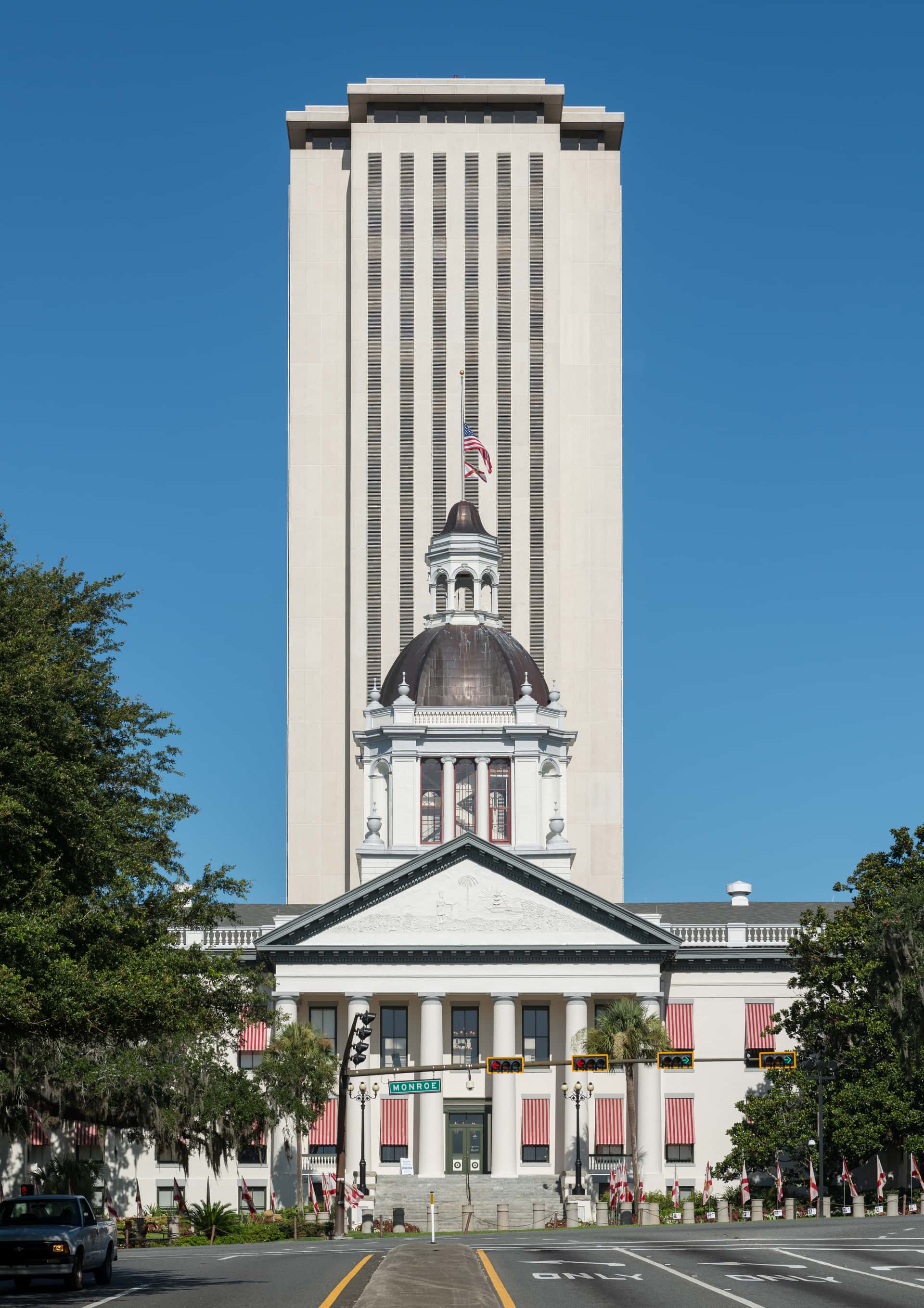
A Florida legislative budget panel voted to send roughly $250 million to the state's Division of Emergency Management on Friday, moving to cover unpaid bills that include costs tied to the state's immigration enforcement and detention operations. The decision came after the agency delivered a spending report to legislative leaders less than an hour before lawmakers gaveled in, a sequence that drew objections from members of both chambers.
Much of the underlying spending relates to the construction and operation of the immigration detention facility in the Everglades that state officials nicknamed Alligator Alcatraz. That facility has since been closed, but the obligations incurred during its construction and operation remain on the agency's books.
The Division of Emergency Management, known as FDEM, is the agency Floridians typically encounter during hurricane response. Its expanded role in immigration enforcement logistics over the past two years has placed it in unfamiliar territory, managing contracts and payment obligations outside its traditional disaster mission.
What the budget panel decided
The Legislative Budget Commission, the joint panel that can approve budget adjustments between regular legislative sessions, took up the request at a meeting Friday morning. The question before members was whether to release additional funding so the agency could settle outstanding debts to vendors and contractors.
FDEM submitted its accounting of the spending to legislative leadership that same morning. Several lawmakers said the timing left them unable to review the document before voting, and the compressed sequence became the central point of contention during the meeting rather than the merits of the payments themselves.
Senate Minority Leader Lori Berman raised concerns during the proceeding about both the process and the underlying spending, describing the arrangement as one that lacked adequate legislative oversight and transparency. She argued that the Legislature should have visibility into obligations of this size well before being asked to fund them.
How the agency accumulated the debt
Florida's detention facility in the Everglades was built and brought online rapidly in 2025, constructed on an airstrip in a remote area of Collier and Miami-Dade counties. The state used emergency procurement authority to move quickly, which allowed contracts to be issued outside standard competitive bidding timelines.
That authority also meant much of the contracting took place with limited public disclosure. Reporting through 2025 and 2026 documented difficulty obtaining contract details, vendor identities and payment amounts through public records requests, and litigation over access to those records followed.
The facility has since shut down, but closure does not extinguish the payment obligations that accrued during construction and operation. Vendors that provided housing units, security services, food service, transportation and site work retain claims against the state regardless of the facility's current status.
A separate question running through the debate is federal reimbursement. State officials have maintained that a portion of the immigration enforcement spending is eligible for federal repayment, though the pace and completeness of any reimbursement has been a recurring source of friction.
The oversight question
Florida's budget process ordinarily runs through the regular legislative session, where appropriations are debated in committee and voted in both chambers. The Legislative Budget Commission exists to handle adjustments that cannot wait, and its authority is deliberately narrower than that of the full Legislature.
Critics of the Friday vote argue that using the commission to resolve obligations of this magnitude, incurred under emergency authority and disclosed only at the last moment, effectively bypasses the deliberative process. That concern has been raised by members of both parties at various points over the past year, though the objections Friday came primarily from Democratic members.
Supporters of the approach counter that emergency powers exist precisely so the state can act without waiting for a legislative calendar, and that vendors who performed work in good faith should be paid regardless of disputes over how the spending was authorized.
What it means for Floridians
The most direct consequence is fiscal. Money directed to settle these obligations comes from state general revenue, which is the same pool that funds education, health care, transportation and the disaster reserves the emergency management division ordinarily draws on.
There is also a readiness dimension. FDEM is the agency responsible for coordinating hurricane preparation, evacuation logistics, shelter operations and post-storm recovery across 67 counties. The 2026 Atlantic season has been historically quiet, which has reduced immediate pressure on the agency, but its core function remains disaster response.
For taxpayers, the practical question is what the total obligation eventually reaches and how much of it the federal government ultimately reimburses. Neither figure is settled, and the answer will shape whether this appropriation is the last of its kind or the first of several.
Local impact across the state
County emergency management offices operate in close coordination with FDEM, and they depend on the state agency for grant administration, equipment purchasing and mutual aid coordination. Directors in several counties have watched the agency's expanded portfolio with interest, given that staff attention and administrative capacity are finite.
In Southwest Florida, where the detention facility was located and where local governments handled some ancillary logistics, the questions have been more immediate. Lee, Collier and Hendry county officials have at various points sought clarity on what obligations, if any, fall to local budgets.
South Florida counties with large immigrant populations have engaged with the issue from a different angle, focused on the enforcement operations themselves rather than the accounting. Miami-Dade and Broward county officials have both faced constituent pressure over the state's role in federal immigration enforcement.
How emergency procurement works in Florida
Florida law allows agencies to bypass standard competitive bidding when the governor has declared a state of emergency, a provision designed for hurricanes and similar events where waiting weeks for a procurement cycle would cost lives.
Under that authority, an agency can issue contracts directly, negotiate terms without public solicitation, and obligate funds ahead of appropriation. The rationale is straightforward: when a Category 4 hurricane is forecast to make landfall in 72 hours, the state cannot advertise for generator suppliers and wait for sealed bids.
The controversy arises when the same authority is applied to activities that are not time-critical in the same way. Critics argue that a detention facility built over months does not present the emergency conditions the statute contemplates, and that using emergency authority in that context converts an exception into a general practice.
Defenders counter that the governor's emergency declaration was in effect, that the statute does not distinguish between categories of emergency, and that the state acted within the authority the Legislature granted it.
The public records dimension
Florida has among the broadest public records laws in the country, generally requiring state agencies to disclose records on request with limited exemptions. That framework has been central to the disputes surrounding this spending.
Reporting organizations and transparency advocates sought contract documents, vendor identities and payment records throughout 2025 and 2026, and encountered delays and denials that produced litigation. Those cases have proceeded alongside the budget questions.
The friction reflects a structural tension. Emergency procurement is fast precisely because it skips the public solicitation process that ordinarily creates a documentary record as the contract is formed. When the record is assembled afterward through public records requests, the agency controls the timing.
The report FDEM delivered Friday represents the most complete accounting the Legislature has received, and lawmakers who objected to its timing have said they intend to examine it closely.
What comparable states have done
Several states have partnered with federal immigration authorities to varying degrees, but few have taken on construction and operation of detention capacity at state expense in the way Florida did.
The more common arrangement involves county jails holding individuals under agreements with federal authorities, with the federal government paying a per-day rate. That structure places the financial risk on the federal side and keeps state general revenue out of the transaction.
Florida's approach placed the state in the position of building capacity and then seeking reimbursement, which reverses the risk allocation. If federal reimbursement covers the full cost, the state is made whole. If it does not, Florida taxpayers absorb the difference, which is the scenario the Legislature is now working through.
What FDEM normally does
The Division of Emergency Management is Florida's coordinating agency for disaster preparedness and response, and its core work bears little resemblance to detention logistics.
In an ordinary hurricane season, FDEM manages the State Emergency Operations Center in Tallahassee, coordinates with the 67 county emergency management offices, administers federal preparedness grants, positions supplies ahead of landfall, and manages the state's role in post-storm recovery including debris removal contracts and temporary housing.
The agency also administers substantial federal pass-through funding, including hazard mitigation grants that pay for projects such as home hardening, stormwater improvements and generator installation at critical facilities. That grant administration function requires significant accounting and compliance capacity.
The 2026 season's unusual quiet has reduced the operational demand on the agency this year, which is part of why the budget questions have been able to occupy attention that in a more active season would have gone elsewhere.
What's next
The report FDEM delivered to legislative leaders is now in the hands of committee staff, and lawmakers who objected to the timing have indicated they intend to work through it before the 2027 regular session convenes in January.
Several legislators have floated proposals to tighten reporting requirements when agencies use emergency procurement authority, including mandatory disclosure thresholds and shorter deadlines for submitting spending accounts to the Legislature. Whether any such measure advances will depend substantially on the composition of the Legislature after November 3.
The federal reimbursement question will continue running in parallel. If the state recovers a substantial share of the spending, the fiscal pressure eases considerably. If reimbursement falls short of expectations, the Legislature will face the same conversation again with a larger number attached.
Spotted an issue with this article?
Have something to say about this story?
Write a letter to the editor