Miami Prepares for World Cup Knockout Matches at Hard Rock Stadium
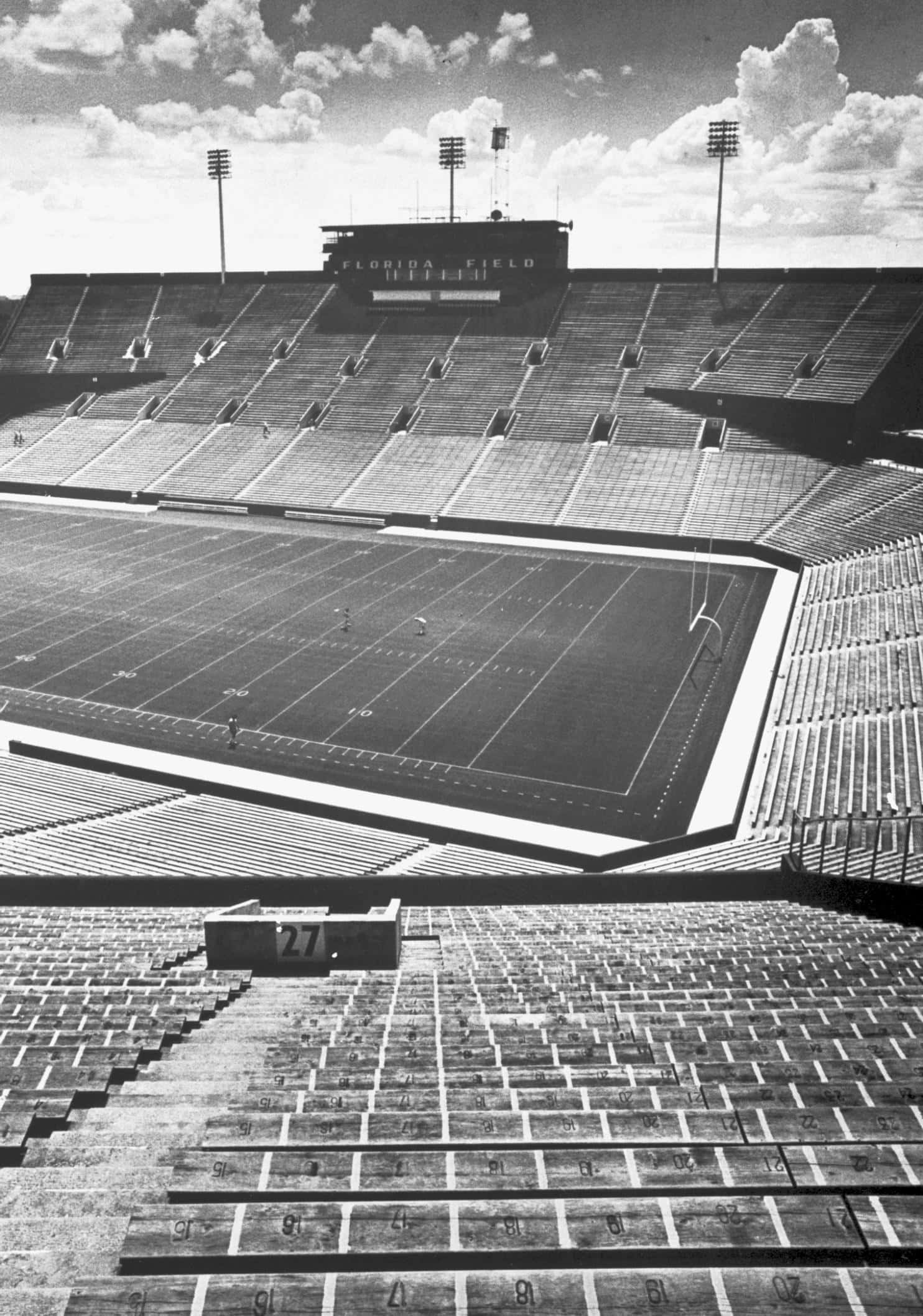
Miami is deep into its role as one of the host cities for the 2026 FIFA World Cup, with Hard Rock Stadium in Miami Gardens preparing for the tournament's knockout stage. The venue is hosting seven matches in all, spanning the group stage through the knockout rounds, and its remaining July fixtures include a match on July 11 and the Bronze Final, the third-place match, on July 18. A Round of 16 match was already played at the stadium on July 3, marking Miami's entry into the tournament's decisive phase.
The 2026 World Cup is co-hosted by the United States, Canada, and Mexico, and Miami's inclusion places South Florida on one of the largest global stages in sports. For a region built around tourism, hospitality, and international travel, the tournament represents a significant economic opportunity, drawing visitors to hotels, restaurants, and attractions across the area. The matches at Hard Rock Stadium serve as a magnet for fans from around the world, concentrating spending and attention on Miami over a span of weeks.
Alongside the economic promise come the logistical demands of hosting a global event, from transportation to security. To move the crowds, Brightline is running expanded rail service to the stadium for World Cup matches through July 19, 2026, adding capacity for the surge of fans traveling to Miami Gardens. The combination of economic windfall and operational challenge defines Miami's turn in the international spotlight.
Miami as a Host City
Miami is one of several host cities for the 2026 FIFA World Cup, the tournament jointly staged by the United States, Canada, and Mexico. Being named a host city places Miami among a select group of locations chosen to stage matches for one of the world's most-watched sporting events. The designation reflects the region's capacity to accommodate large international crowds and its standing as a global destination.
The World Cup's three-country format spreads matches across North America, and Miami's participation gives South Florida a prominent part in the tournament. As a host city, the region becomes a focal point for fans, media, and visitors during the period its matches are staged. That role carries both prestige and responsibility, as the eyes of a global audience turn toward the venue and the surrounding area.
For Miami, hosting World Cup matches is an opportunity to showcase the region on an international scale. The tournament draws attention from around the world, and the presence of matches in Miami Gardens connects the area to the broader event in a way that few occasions can match. The host-city status is the foundation for the economic and logistical activity that surrounds the matches.
Seven Matches at Hard Rock Stadium
Hard Rock Stadium in Miami Gardens is hosting seven matches over the course of the tournament, a slate that runs from the group stage through the knockout rounds. That number places the venue among the busier sites in the tournament, giving Miami an extended presence across multiple phases of the competition. Each match brings its own influx of fans and activity to the area around the stadium.
The progression from group-stage fixtures to knockout matches means the stadium's role intensifies as the tournament advances. Knockout matches carry heightened stakes, and hosting them signals the venue's importance within the tournament's structure. The stadium's schedule of seven matches ensures that Miami remains engaged with the World Cup over a sustained period rather than for a single fleeting occasion.
A Round of 16 match was played at the stadium on July 3, marking the venue's transition into the knockout stage. That fixture was part of the seven-match total and set the stage for the remaining July matches still to come. The stadium's continued hosting through the knockout rounds keeps Miami at the center of the tournament's later, high-stakes phase.
The Remaining July Matches
Among the matches still ahead at the Miami venue are a fixture on July 11 and the Bronze Final, the third-place match, on July 18. These remaining July matches extend Miami's hosting duties toward the tournament's conclusion, keeping the region active as the World Cup moves through its final stretch. The Bronze Final in particular is a marquee occasion, determining third place in the tournament.
The third-place match on July 18 gives Hard Rock Stadium one of the tournament's notable late fixtures. As one of the final matches of the World Cup, the Bronze Final draws significant attention and brings another wave of visitors to Miami Gardens. Hosting it underscores the stadium's standing among the tournament's venues and caps its slate of July matches with a high-profile event.
The July 11 match and the July 18 Bronze Final together ensure that Miami remains a focal point through the middle and latter part of the month. For local businesses and the tourism sector, each of these dates represents a concentrated burst of activity, as fans converge on the region to attend the matches. The remaining schedule sustains the economic and logistical momentum that the earlier matches set in motion.
An Economic Windfall for South Florida
The World Cup matches represent a substantial economic opportunity for South Florida, whose economy is heavily oriented around tourism and hospitality. Hotels, restaurants, and attractions stand to benefit from the influx of visitors drawn by the matches, as fans travel to the region and spend on lodging, dining, and entertainment during their stays. The concentration of matches at Hard Rock Stadium channels that spending toward the Miami area.
Hotels in particular are positioned to capture demand as visitors seek accommodations near the venue and throughout the region. Restaurants and local businesses similarly benefit from the increased foot traffic and spending that accompany a major international event. The tournament's ability to draw large crowds over an extended period amplifies its economic impact, spreading activity across the hospitality sector.
For a region that depends on tourism as a pillar of its economy, an event of the World Cup's scale offers a meaningful boost. The matches bring visitors who might not otherwise travel to Miami, and their spending circulates through the local economy. The windfall is one of the primary reasons host-city status is prized, and South Florida is positioned to realize those benefits during the tournament.
Transportation and Brightline's Expanded Service
Moving large crowds to Hard Rock Stadium in Miami Gardens is among the central logistical challenges of hosting the matches, and Brightline is addressing part of that need with expanded rail service. The company is running enhanced service to the stadium for World Cup matches through July 19, 2026, adding capacity to carry fans to and from the venue during the tournament. The expanded rail option offers an alternative to road travel for the surge of visitors.
Expanded rail service helps manage the transportation demands that come with concentrating tens of thousands of fans at a single venue on match days. Rail can ease pressure on roads and parking, providing a means to move crowds efficiently to Miami Gardens. Brightline's added service through July 19 aligns with the stadium's schedule of matches, covering the period when demand is highest.
The transportation effort is a key part of the broader logistical operation that hosting requires. Getting fans to and from the stadium smoothly is essential to the experience of the matches and to the region's ability to handle the crowds the tournament brings. Brightline's expanded service represents one component of how South Florida is preparing to meet those demands during the World Cup.
Security and Logistics
Hosting World Cup matches involves substantial security and logistical planning, given the scale of the crowds and the international profile of the event. Major sporting events of this magnitude require coordinated efforts to manage the movement of people, ensure safety, and handle the operational complexity of staging matches. Miami's role as a host city places these responsibilities at the center of its preparations.
The concentration of large crowds at Hard Rock Stadium on match days heightens the importance of careful logistics. Managing entry and exit, coordinating transportation, and maintaining security all factor into the operation of a successful host venue. These demands scale with the significance of the matches, and the knockout-stage fixtures at the stadium bring their own heightened attention.
The logistical and security challenges are the operational counterpart to the economic opportunity the tournament presents. While the matches promise a windfall for the region's businesses, they also require the infrastructure and planning to accommodate the visitors those benefits depend on. South Florida's handling of these demands is part of what its turn as a host city entails, and the outcome shapes the region's experience of the event.
What's Next
In the immediate term, attention turns to the remaining July matches at Hard Rock Stadium, beginning with the July 11 fixture and continuing to the Bronze Final on July 18. These matches represent the final stretch of Miami's hosting duties and the last concentrated bursts of visitor activity tied to the venue. The region's businesses and its transportation and security operations will be tested through these dates.
Brightline's expanded rail service runs through July 19, 2026, covering the remaining matches and the period immediately following the Bronze Final. As the tournament winds down at the Miami venue, the transportation and logistical arrangements will carry the final waves of fans to and from Miami Gardens. The end of the expanded service marks the close of the operational effort that hosting has required.
Beyond the matches themselves, the lasting significance for South Florida lies in the economic impact and the region's turn on the global stage. The tournament's ability to draw visitors and attention offers benefits that extend beyond the final whistle, and Miami's role as a host city places it within a global event watched around the world. As the July matches conclude, the region will take stock of the windfall and the experience of hosting the World Cup.
Spotted an issue with this article?
Have something to say about this story?
Write us a letterComments
No comments yet. Be the first to weigh in.
Related Coverage
Rays await Guardians or White Sox in ALCS after sweeping Yankees; Game 1 Monday at Tropicana Field
2h ago

John Carlson scores twice, Dennis Hildeby makes 34 saves as Lightning hold off Wild 3-2
3h ago
Winless Dolphins host Bengals at Hard Rock Stadium seeking first win under Jeff Hafley
23h ago
Hurricane Isaias Scrambles Florida Sports: FSU Cancels Pensacola Games, FAMU Moves to Friday
1d ago