Miami Takes the World Stage as Hard Rock Stadium Hosts a World Cup Quarterfinal
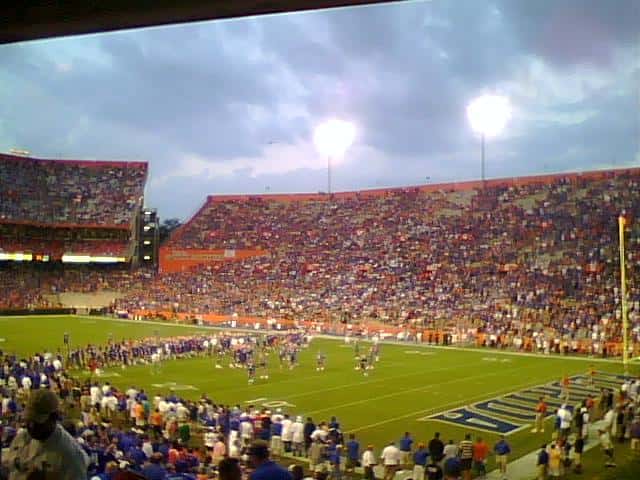
Miami Gardens is one of the most-watched places on earth as Hard Rock Stadium hosts a quarterfinal of the 2026 FIFA World Cup, the highest-stakes match the region will stage during a tournament that has transformed South Florida into a global soccer destination. The quarterfinal is the marquee moment in a slate of matches Hard Rock Stadium is hosting across the tournament, and it places Miami squarely in the international spotlight as the World Cup reaches its decisive knockout rounds. For a region that prides itself on its international character, the match is a rare chance to be at the very center of the sport biggest event.
The biggest match Miami hosts
The quarterfinal at Hard Rock Stadium stands as the pinnacle of Miami World Cup hosting duties, the deepest a match in the tournament knockout bracket will go on South Florida soil. Quarterfinals bring together teams that have survived the group stage and earlier knockout rounds, meaning the sides competing in Miami are among the elite still alive in the competition. The stakes at this stage are enormous, with a place in the semifinals on the line.
Hard Rock Stadium is scheduled to host seven World Cup matches in total, a slate that includes group-stage games, a round-of-32 match, the quarterfinal and the third-place match. That collection of fixtures makes the stadium one of the busiest venues in the entire tournament, cementing Miami role as a central hub of the event. Hosting matches across multiple rounds keeps the region in the spotlight from the tournament early days through its closing stages.
The quarterfinal draws a global television audience measured in the hundreds of millions, putting Miami name and images in front of viewers around the world. For a region that markets itself as an international gateway, the exposure is invaluable, showcasing South Florida to a planetary audience. Few events offer the kind of worldwide visibility that a World Cup knockout match provides.
The match also represents a logistical high point for the host city, the moment when the tournament attention and demands are at their peak in Miami. Everything from ticketing to transportation to security is tested most fully at this stage, making the quarterfinal both a showcase and a challenge for the region.
A tournament on home soil
The 2026 World Cup is being co-hosted by the United States, Canada and Mexico, the first time the tournament has been staged across three nations and the first time it has featured an expanded field. The United States is hosting the bulk of the matches, including the later knockout rounds, with the final set for the New York area. The shared hosting arrangement has spread the tournament across the continent, with Miami among its most prominent host cities.
Miami inclusion as a host city reflects its stature as a major American metropolis with deep soccer roots and a passionate, diverse fan base drawn from communities across the Americas. The region connection to Latin American and Caribbean football traditions makes it a natural home for World Cup matches. In few American cities is the sport woven so tightly into the cultural fabric.
Hosting the tournament on home soil has energized soccer fans across Florida, building on the momentum the sport has enjoyed in the region, including the presence of a high-profile Major League Soccer club. The World Cup represents the sport grandest stage arriving in a market where its popularity has surged. For local fans, the chance to watch elite international teams in person is a landmark occasion.
The economic impact
Hosting World Cup matches delivers a substantial economic boost to the Miami region, drawing visitors who fill hotels, restaurants and businesses around the tournament. The quarterfinal in particular attracts fans from the competing nations and beyond, generating spending across the hospitality and tourism sectors. Major matches tend to concentrate large crowds and heavy spending into a short window, a boon for local businesses positioned to serve them.
The influx of international visitors tests the region infrastructure, from the airport to transportation to accommodations, and the tournament serves as a showcase for how South Florida handles a major global event. Success on that front strengthens the region case for hosting future marquee events. Officials generally view smooth operations during a tournament of this scale as an investment in the area reputation as a host.
The exposure also carries longer-term value, promoting Miami as a destination to a worldwide audience. Tourism officials view the World Cup as an opportunity to cement the region global brand, with benefits that extend well beyond the tournament duration. The images broadcast during a quarterfinal can shape perceptions of the region for years, potentially drawing visitors long after the event ends.
Challenges around the event
Staging a World Cup match in a Florida summer brings challenges, including the region heat and humidity, which affect players and fans alike. Midsummer conditions in South Florida can be intense, a factor that shapes the experience of attending and playing in matches at Hard Rock Stadium. Organizers generally plan around the heat, with attention to player welfare and fan comfort during the hottest hours.
Coastal conditions have also drawn attention, with a record sargassum season affecting some Southeast Florida beaches during the tournament window. While the seaweed does not touch the matches themselves, it is part of the backdrop as the region hosts visitors expecting the postcard image of Florida shores. The overlap is a reminder that a summer tournament in Florida comes with the season distinctive conditions.
Security, logistics and crowd management for an event of the World Cup magnitude require extensive coordination. Hosting seven matches, culminating in a quarterfinal and a third-place match, demands sustained operational effort to keep the events running smoothly and safely. The scale of planning involved reaches across many agencies and organizations working in concert.
The stage and the region
Hard Rock Stadium has hosted major events before, giving the region experience in staging large-scale sporting occasions. That track record is part of why Miami was entrusted with a substantial share of World Cup matches, including one of the tournament deepest knockout fixtures. A venue accustomed to big events brings operational familiarity to the demands of hosting the World Cup.
The surrounding region, with its extensive hospitality industry and international connections, is well suited to absorbing the crowds that a tournament of this size attracts. Miami long history as a destination for travelers from across the Americas means the infrastructure to welcome international visitors is already in place. The World Cup tests that capacity at an unusually high level, but on foundations the region has built over decades.
For residents, hosting a quarterfinal turns everyday surroundings into the setting for a global event, with the buzz of the tournament woven into daily life. The experience can foster a sense of civic pride, as the region takes its turn hosting one of the world most-watched competitions. That shared moment is among the intangible benefits of playing host to the World Cup.
What it means for Florida soccer
The World Cup presence in Miami arrives at a moment of growing soccer enthusiasm across Florida, fueled in part by the star power of the region Major League Soccer team and the sport deepening roots in the state diverse communities. The tournament amplifies that momentum on the biggest possible stage, showcasing the sport to fans who may be watching at this level for the first time.
For young players and fans, watching World Cup matches in their own backyard offers inspiration and a tangible connection to the global game. The tournament can leave a lasting legacy, encouraging participation and investment in the sport across the region. Exposure to elite competition up close often inspires the next generation of players and supporters.
The event also strengthens Miami credentials as a soccer city, one capable of hosting the sport premier competition. That reputation could pay dividends in attracting future international matches and events to Hard Rock Stadium and the region. A successful World Cup showing can position the area as a preferred destination for major soccer occasions to come.
A moment years in the making
The arrival of a World Cup quarterfinal in Miami is the culmination of a long buildup, both for the region and for the sport in the United States. Bringing the tournament to North America required extensive planning and preparation across many cities, and Miami place in that lineup reflects years of positioning as a host capable of staging events on this scale. The quarterfinal is the payoff for that groundwork.
For soccer in the region, the match represents a high point in a steady rise, one that has seen interest grow alongside the sport expanding footprint in American sports culture. The World Cup lends that growth a sense of arrival, placing the region at the center of the sport most important competition. The occasion carries weight for fans who have followed the game through its long climb in popularity.
The broader tournament also offers a template for how a region can rally around a global event, uniting diverse communities behind a shared spectacle. In a place as international as South Florida, the World Cup taps into deep connections to the game across many cultures. That collective enthusiasm is part of what makes hosting a quarterfinal meaningful beyond the result on the field.
What is next
After the quarterfinal, Hard Rock Stadium is scheduled to host the third-place match later in the month, giving Miami another high-profile fixture as the tournament winds toward its conclusion. The final itself is set for the New York area, but Miami role in the closing stages keeps the region in the spotlight. The third-place match ensures the area remains part of the tournament story right to the end.
As the World Cup concludes, South Florida will assess the impact of hosting one of the world largest sporting events, from the economic boost to the global exposure to the legacy for local soccer. For now, the region savors its turn on the world stage, with Hard Rock Stadium hosting a quarterfinal that ranks among the biggest sporting moments the area has ever staged. The lessons and momentum from the tournament are likely to shape how the region approaches future events for years to come.
Spotted an issue with this article?
Have something to say about this story?
Write a letter to the editorComments
No comments yet. Be the first to weigh in.
Related Coverage

Magic Open Training Camp Under Sean Sweeney, Months After Collapse Against Pistons Cost Mosley His Job
1h ago

Lightning Open Season With 5-1 Loss at Madison Square Garden as Shesterkin Scores Into Empty Net
1h ago

Gustav Forsling Scores With 4.3 Seconds Left as Panthers Spoil Hurricanes' Banner Night 1-0
3h ago

Sean Sweeney Opens His First Magic Training Camp With a Defense-First Message for Banchero and Wagner
1d ago