SpaceX Keeps Up Rapid Launch Cadence From Cape Canaveral as Florida's Space Coast Booms
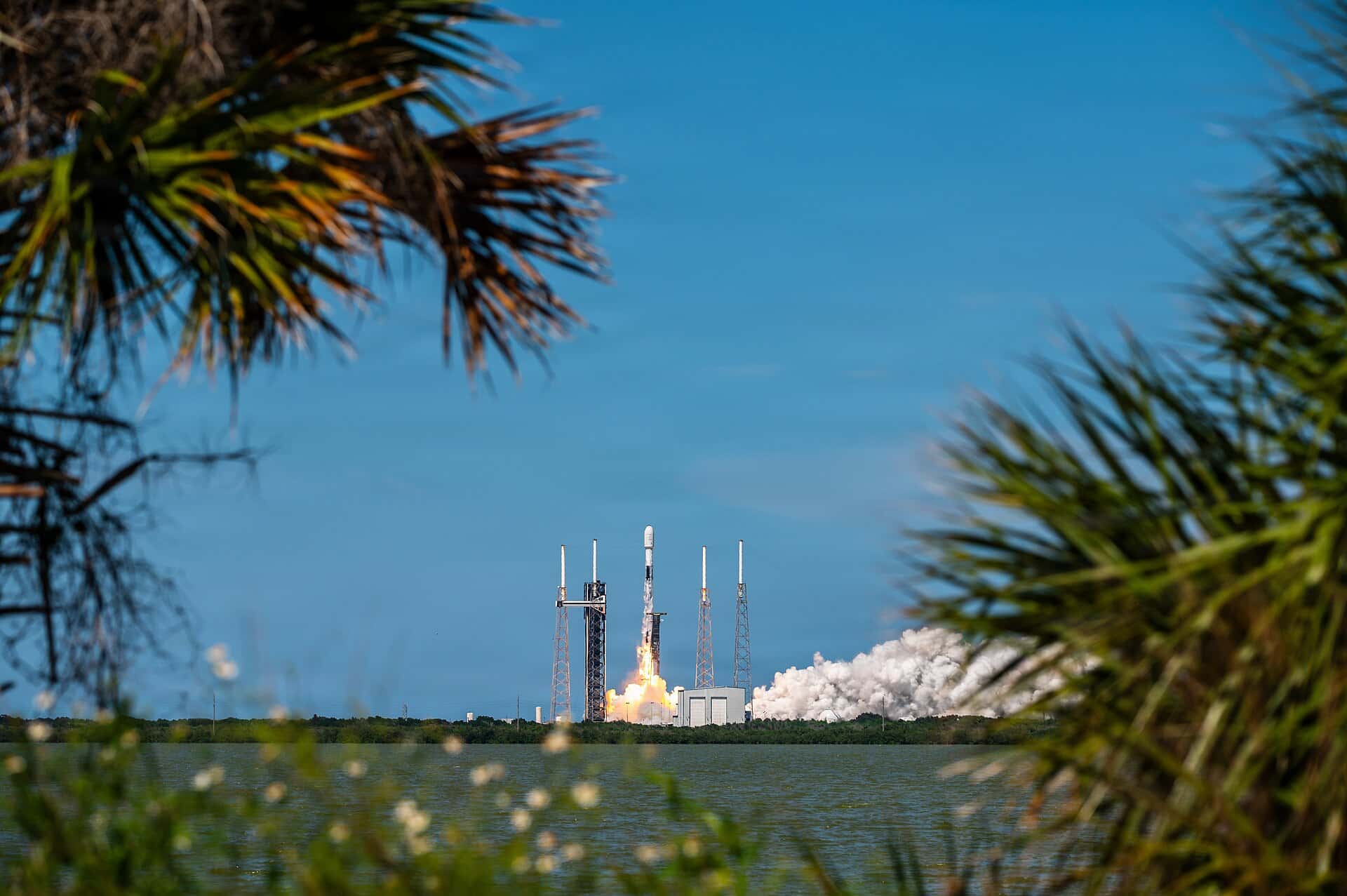
SpaceX is maintaining its relentless launch pace from Florida's Space Coast, with Falcon 9 rockets set to carry batches of Starlink internet satellites to orbit from Cape Canaveral in the opening days of July. The steady cadence of launches has become a defining feature of Florida's economy and skyline, transforming the Brevard County coastline into one of the busiest spaceports on the planet.
A launch is targeted for July 5 from Space Launch Complex 40 at Cape Canaveral Space Force Station, carrying 29 Starlink satellites to low-Earth orbit, with additional missions on the calendar in the days that follow. The frequency of these flights illustrates how routine access to space has become, and how central Florida has grown to the commercial space industry.
What was once a rare spectacle has become a near-weekly occurrence, and the Space Coast has reorganized itself around the rhythm of launches. The economic and cultural transformation of the region tracks closely with the rise of commercial spaceflight.
The July launch schedule
SpaceX plans to launch a Falcon 9 carrying 29 Starlink V2 Mini satellites from Space Launch Complex 40 on July 5, with a launch window opening in the early morning hours. Another Starlink mission is targeted for July 9 from the same region, part of a schedule that regularly sends multiple rockets aloft from the Space Coast each week.
Launch windows are set by a combination of orbital mechanics, weather and range availability, and predawn launches are common. The precise timing can shift, but the cadence of missions has been remarkably consistent, reflecting the maturity of SpaceX's operations.
These launches are visible from numerous vantage points around the Cape Canaveral area, drawing spectators and tourists who plan visits around liftoffs. The predawn timing of many missions produces striking displays as the rockets climb through the darkness, a spectacle that has become part of daily life for Space Coast residents.
Local businesses and tourism operators have embraced the launches as an attraction, offering viewing experiences and drawing visitors who time their trips to catch a liftoff. The launches have become a genuine draw for the region's tourism economy.
Building the Starlink network
The launches are part of SpaceX's ongoing effort to expand Starlink, its constellation of satellites that provides internet service around the world. Each mission adds more satellites to the network, and the sheer number of flights required to build and maintain the constellation is a primary driver of the high launch cadence out of Florida.
The Starlink constellation consists of thousands of satellites, and maintaining and expanding it requires a continuous stream of launches. Satellites must be replaced over time, and new capacity added to meet growing demand, sustaining the need for frequent missions.
Starlink has grown into a significant business, offering connectivity in areas underserved by traditional providers. The service has found customers in rural areas, on ships and aircraft, and in regions where conventional infrastructure is lacking, expanding access to high-speed internet.
The continuous deployment of new satellites requires a steady stream of launches, and Florida's Space Coast, with its established infrastructure and favorable geography, has become the workhorse location for much of that activity. The Cape's proximity to the equator and its over-water launch paths make it well suited for the task.
The Florida angle
The space industry is a major economic force in Florida, supporting thousands of jobs and drawing companies, workers and tourists to the Space Coast. Cape Canaveral Space Force Station and the neighboring Kennedy Space Center anchor a growing aerospace corridor, and the frequency of launches has helped fuel population and business growth in Brevard County and the surrounding region.
The aerospace sector offers high-paying, high-skilled jobs, and its growth has diversified an economy that historically leaned on the fortunes of the government space program. The commercial space boom has brought new stability and momentum to the region.
Beyond SpaceX, the Space Coast hosts a range of aerospace activity, and Florida officials have worked to position the state as the premier destination for commercial space. State efforts to attract and support the industry have contributed to a cluster of companies and suppliers in the region.
Each launch reinforces that identity and contributes to an ecosystem of suppliers, contractors and support services that ripple through the local economy. The concentration of aerospace activity creates a self-reinforcing hub that attracts further investment and talent.
A new normal for launches
What was once a rare and momentous event has become a routine occurrence. The ability to launch rockets on a near-weekly basis reflects advances in reusability, with SpaceX landing and reflying its Falcon 9 boosters to reduce costs and turnaround times.
Reusability has been central to the economics of frequent spaceflight. By recovering and reusing boosters, SpaceX has driven down the cost per launch and shortened the time between missions, enabling a cadence that would have been unthinkable in earlier eras of spaceflight.
The routine nature of launches does not diminish their significance. Each flight carries payloads that expand global connectivity, and the cumulative effect of hundreds of launches is reshaping industries from telecommunications to national security.
Florida's role as the launch point for much of this activity places the state at the heart of a transformative era in spaceflight. The Space Coast has become synonymous with the commercial space age, a distinction that carries economic and strategic weight.
The reusability revolution
The high launch cadence from Cape Canaveral would not be possible without the reusability that has transformed spaceflight. By recovering Falcon 9 first-stage boosters, either on land or on drone ships at sea, and refurbishing them for future flights, SpaceX has dramatically reduced the cost and turnaround time of launches.
Before reusability became routine, rockets were largely expendable, with each launch requiring an entirely new vehicle. Recovering and reflying boosters changed that economic model, enabling a pace of launches that supports the deployment of large satellite constellations like Starlink.
That shift has ripple effects across the industry, lowering the cost of reaching orbit and opening space to a wider range of customers and missions. Florida's Space Coast, as the primary launch site for much of this activity, sits at the center of a transformation that is reshaping access to space.
A growing and competitive industry
While SpaceX dominates the current launch cadence, the commercial space industry in Florida includes a growing roster of companies developing rockets, spacecraft and missions. Other providers are expanding operations at the Cape, and the aerospace corridor around Kennedy Space Center and Cape Canaveral continues to attract investment and talent.
Competition and collaboration among these companies are expanding the industry's footprint in Florida, supporting suppliers, contractors and support services throughout the region. The concentration of aerospace activity creates a hub that draws further business, reinforcing the state's position in the sector.
State and local officials have actively courted the industry, viewing it as a source of high-skilled jobs and economic diversification. Their efforts, combined with the region's established infrastructure and favorable geography, have helped make Florida a magnet for commercial space activity as the industry grows.
What it means for Floridians
For Space Coast residents, the launches are both an economic engine and a part of the local rhythm. The industry supports high-paying jobs and draws visitors who spend money at hotels, restaurants and attractions timed to launch schedules. The growth has brought investment and development to a region that has long been tied to the fortunes of the space program.
The influx of aerospace jobs and the accompanying growth have reshaped Brevard County, driving demand for housing and services. The region's identity is now firmly bound to the commercial space industry and its trajectory.
For Floridians statewide, the booming space sector is a source of economic diversification and pride. As the state's economy leans heavily on tourism, real estate and agriculture, a thriving aerospace industry adds a high-technology dimension that officials are eager to expand.
Balancing growth and community
The surge in launch activity has brought benefits and challenges to the communities of the Space Coast. Rapid growth has driven demand for housing, strained infrastructure and reshaped once-quiet coastal towns, even as it has delivered jobs and investment. Local officials work to balance the opportunities of the space boom with the pressures it places on the region.
Residents have largely embraced the launches as part of the area's identity, and the spectacle of frequent liftoffs draws both pride and tourism. Managing the growth that accompanies the industry, from traffic to development, is an ongoing task for a region transformed by its role in commercial spaceflight.
The frequency of launches also raises considerations around noise, environmental impact and coordination with other activities, from air traffic to wildlife protection. Balancing these factors is part of sustaining the Space Coast's growth in a way that works for both the industry and the communities that host it.
What's next
The launch schedule shows no sign of slowing, with missions stacking up through July and beyond. SpaceX continues to build out Starlink while also supporting other customers and programs from the Space Coast, and additional providers are expanding their own Florida operations.
The broader launch market includes other companies developing rockets and missions from the Cape, adding to the activity and reinforcing Florida's position. Competition and collaboration among providers are expanding the industry's footprint in the state.
As the cadence continues, Florida's Space Coast is likely to remain among the busiest launch sites in the world. Each Falcon 9 that rises from Cape Canaveral reinforces the state's central role in the commercial space age and the economic momentum that comes with it.
For Floridians, the steady rhythm of launches has become both a source of pride and a pillar of the regional economy. What began as an occasional spectacle has grown into a defining feature of life on the Space Coast, and the state's leaders are eager to build on that foundation. As the industry expands, Florida's position at the heart of commercial spaceflight looks poised to strengthen further in the years ahead.
Spotted an issue with this article?
Have something to say about this story?
Write a letter to the editorComments
No comments yet. Be the first to weigh in.
Related Coverage

UN Security Council Extends Haiti Gang Suppression Force Through March 2027 as Florida Diaspora Watches
8h ago

Senate Passes Protect College Sports Act With Ashley Moody Amendment Backed by Miami, FSU and USF
9h ago
Rick Scott Renews Push to Send ACA Subsidies to Consumers as Florida Reels From Coverage Losses
11h ago
New Treasury Cuba Sanctions Rules Take Effect, Ending Group and Educational Travel Licenses
12h ago